


Elefsina Shipyards Deal: Strategic Breakthrough or Geopolitical Gamble for Greece?
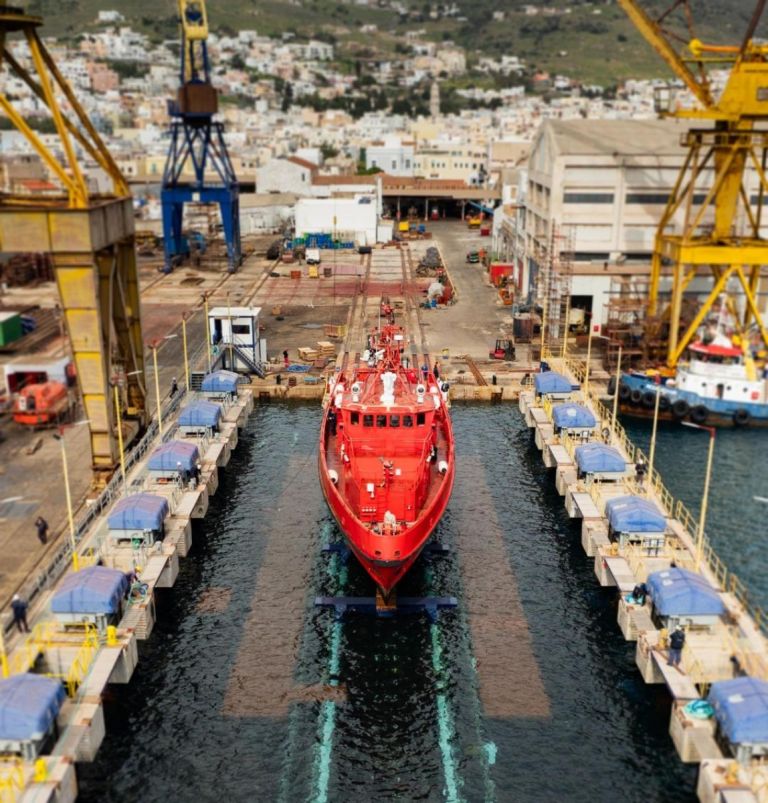
Πηγή Φωτογραφίας: eurokinissi// Elefsina Shipyards Deal: Strategic Breakthrough or Geopolitical Gamble for Greece?



From industrial deal to geopolitical signal
The agreement between ONEX Shipyards & Technologies and Hanwha Ocean goes far beyond a standard business partnership. It reflects a broader geoeconomic and defense realignment linking Greece, the United States, and South Korea.
The key question is not the scale of the deal—but whether it can become a long-term strategic turning point.
What the deal actually delivers
At its core, the agreement focuses on:
- transfer of advanced shipbuilding know-how
- development of industrial capacity in Elefsina
- construction of dual-use vessels (commercial & defense)
- strengthening domestic production
This positions Greece as a potential re-emerging shipbuilding player in global markets.
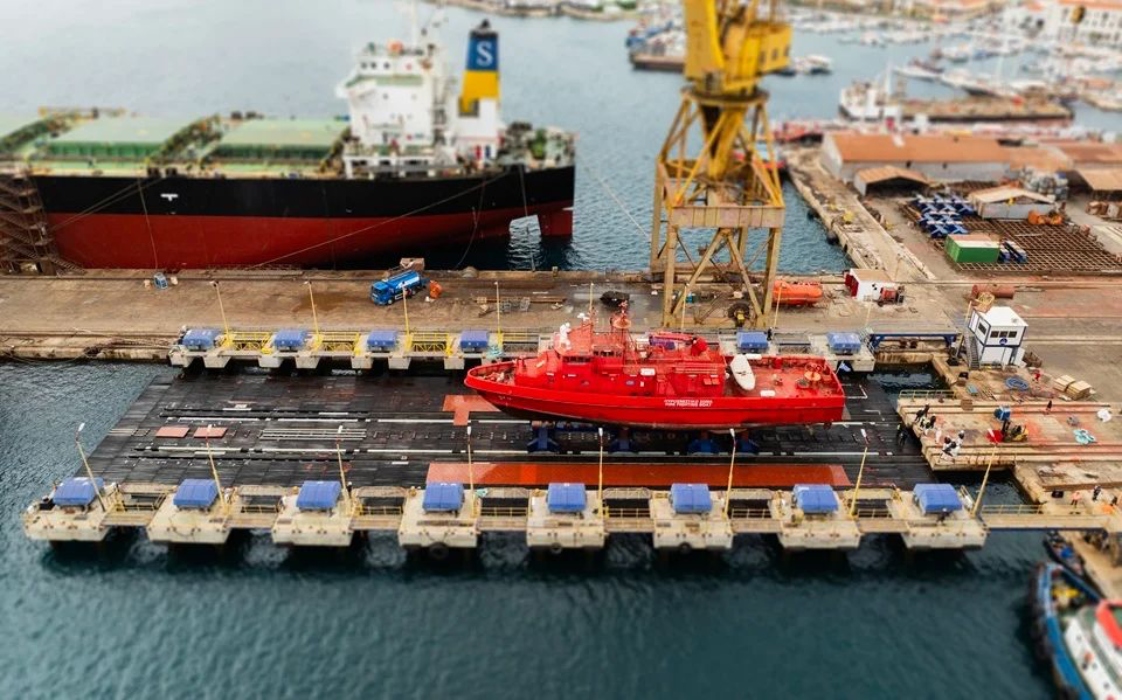
The Washington prequel: energy meets shipbuilding
The agreement builds on a prior deal signed in Washington, D.C. between ONEX and Hanwha Power Systems.
That earlier framework included:
- LNG-powered ship development
- integration of energy and shipbuilding sectors
- creation of supply chain and maintenance ecosystems
It also aligns with the U.S. Maritime Action Plan, signaling a broader U.S. effort to revitalize industrial capacity through allied partnerships.
Elefsina as a regional shipbuilding hub
The new agreement shifts the operational center to Greece, turning Elefsina into:
- a regional shipbuilding hub
- Hanwha’s strategic base in the Mediterranean
- a bridge between Europe, the Middle East, and Asia
For the first time in decades, Greece could regain full-spectrum shipbuilding capability.
Estimates suggest:
- over 70% domestic industrial participation
- export potential to third markets
- establishment of a permanent production line
Defense dimension: strategic autonomy gains
The Hellenic Navy stands to benefit significantly.
The partnership enables:
- access to advanced naval platforms
- local construction capabilities
- reduced reliance on foreign procurement
“A framework for full domestic shipbuilding is now emerging,” industry sources note.
The Hanwha factor: global industrial power
Hanwha Ocean (formerly Daewoo Shipbuilding) is a major global player:
- expertise in warships and LNG carriers
- strong export footprint
- return to profitability with rising valuation
Its parent, Hanwha Group:
- operates across defense, aerospace, and energy
- reported revenues of ~74.7 trillion won in 2025
South Korea’s technological edge forms the backbone of the partnership.
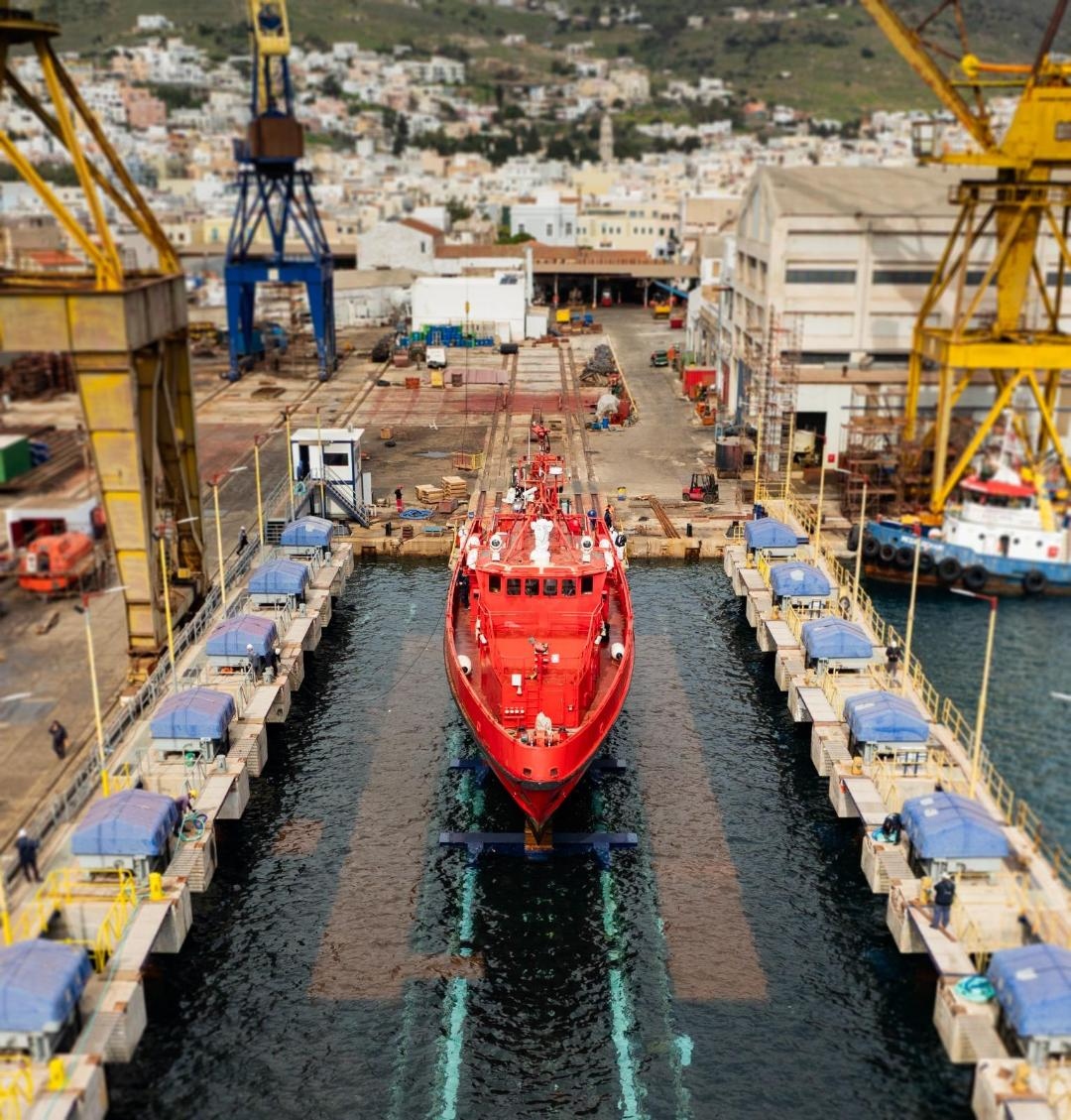
The geopolitical triangle: US–Korea–Greece
The deal reflects a deeper strategic convergence:
🇺🇸 United States
- reshoring industrial capacity via allies
- strengthening energy and defense links in Europe
🇰🇷 South Korea
- expanding industrial footprint into Europe
- leveraging shipbuilding leadership
🇬🇷 Greece
- transitioning from buyer to co-producer
- emerging as a regional energy and industrial hub
The Eastern Mediterranean is evolving into a new geoeconomic frontier.
Analysis: opportunity or overreach?
Despite strong momentum, key risks remain:
- Can Greece sustain long-term industrial output?
- Will consistent order flow materialize?
- Who ultimately controls technology and exports?
The real challenge is not signing the deal—it is executing it.
The ONEX–Hanwha partnership could:
- revive Greece’s industrial base
- enhance defense autonomy
- integrate the country into global strategic supply chains
If successful, it reshapes Greece’s economic model. If not, it risks becoming another missed opportunity.
Source: pagenews.gr
Διαβάστε όλες τις τελευταίες Ειδήσεις από την Ελλάδα και τον Κόσμο








Το σχόλιο σας