


Energy pivot under pressure: Fast-track drilling and Greece’s geopolitical gamble
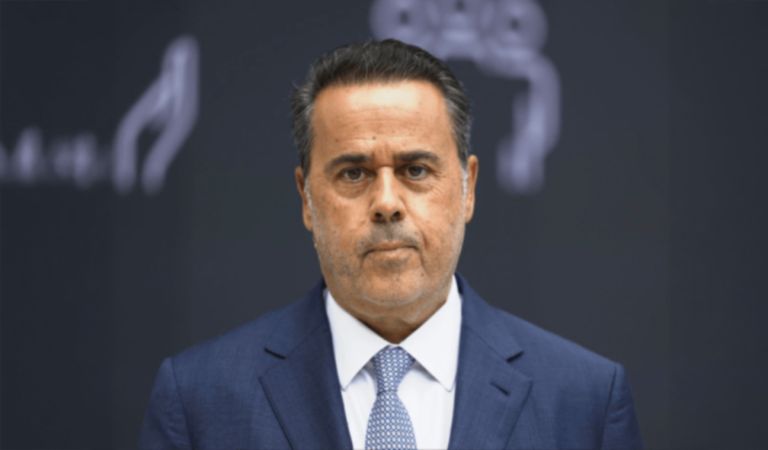
Πηγή Φωτογραφίας: eurokinissi//Energy pivot under pressure: Fast-track drilling and Greece’s geopolitical gamble



At a time when energy is rapidly evolving from a purely economic commodity into a pillar of geopolitical power, Greece is moving to fast-track hydrocarbon exploration, aiming to secure a strategic position in the emerging energy map of the Eastern Mediterranean.
Environment and Energy Minister Stavros Papastavrou outlined the government’s direction, stating:
“Energy is a fundamental component of national security and power for every country.”
He added emphatically:“We are stepping on the gas.”
Drilling timeline gains momentum
The acceleration is already materializing in concrete steps:
- Final signatures for the “Stena DrillMax” drillship are expected in April
- The first exploratory drilling is scheduled for Q1 2027 in the Northwest Ionian Sea
- This marks the first offshore drilling activity in Western Greece in decades
The consortium involving ExxonMobil, Energean, and HelleniQ Energy has already advanced preliminary agreements, with ExxonMobil playing a leading role in key offshore blocks.
The broader roadmap includes:
- Up to 10 drilling operations between 2027–2032
- Potential production phase after 2030–2032, depending on confirmed reserves

Geopolitics: Energy as a strategic shield
Greece’s push comes amid a volatile global environment shaped by:
- instability in the Middle East
- Europe’s energy insecurity following the Ukraine war
- urgent diversification of gas supply sources
Papastavrou stressed:
“Those who put all their eggs in one basket are now struggling.”
This reflects a broader strategic doctrine: energy diversification as national resilience.
Athens is positioning itself as:
- an energy hub
- a bridge between Eastern Mediterranean resources and European markets
- potentially a producer, not just a transit country
The US factor and energy giants
The involvement of major US companies such as:
- ExxonMobil
- Chevron
adds both financial weight and geopolitical backing.
Recent high-level contacts in the United States highlight:
- increased investor confidence
- stronger Greece–US strategic alignment
- integration into a wider transatlantic energy security framework
The balancing act: Fossil fuels vs green transition
Despite the push for hydrocarbons, Greece continues to expand renewable energy capacity significantly.
This creates a key policy tension: Can a country pursue fossil fuel development while advancing green transition goals?
The emerging answer is pragmatic: hydrocarbons are viewed as a transitional bridge, ensuring stability until full decarbonization becomes viable.
Economic impact and social cohesion
Energy policy is directly tied to cost-of-living pressures. Papastavrou noted:
“The fiscal surplus allows targeted relief measures for citizens.”
He reaffirmed that support mechanisms will continue if needed, within fiscal limits.
The strategy combines:
- short-term relief through subsidies
- long-term gains via potential domestic production and reduced imports
A high-stakes strategic bet
Greece is entering a decisive phase where:
- energy becomes a tool of national power
- drilling takes on strategic importance
- global alliances shape domestic policy choices
The hydrocarbon push is not just an economic initiative—it is a geopolitical gamble with high risks and potentially high rewards.
Its success will depend on:
- the scale of actual reserves
- global energy dynamics
- and Greece’s ability to balance security, sustainability, and regional stability
Source: pagenews.gr
Διαβάστε όλες τις τελευταίες Ειδήσεις από την Ελλάδα και τον Κόσμο








Το σχόλιο σας