


EUROPE ON EDGE: Emergency Eurogroup showdown over energy shock and economic stability
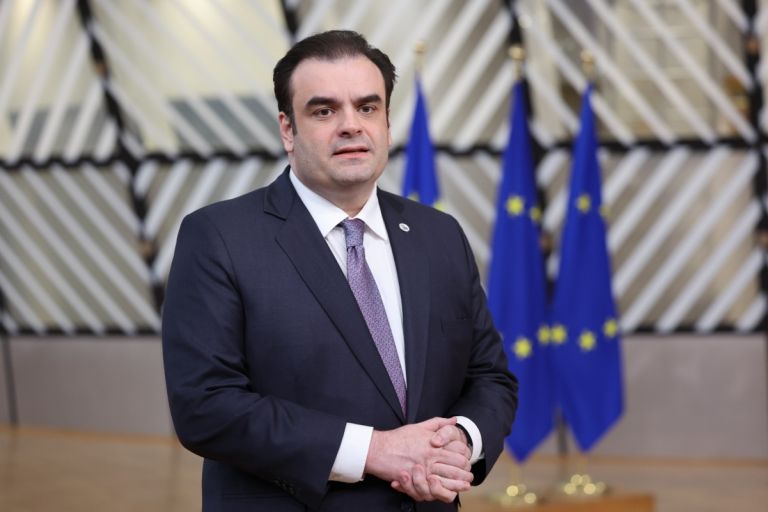
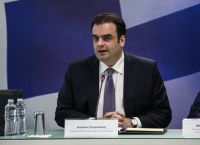
Πηγή Φωτογραφίας: eurokinissi//EUROPE ON EDGE: Emergency Eurogroup showdown over energy shock and economic stability



In a moment of acute geopolitical and economic tension, the Eurogroup convenes today, Friday, March 27, via teleconference to assess the cascading impact of the Middle East crisis on Europe’s economy. With energy prices surging and inflation risks mounting, finance ministers face mounting pressure to deliver a coordinated response.
High-stakes meeting under Pierrakakis
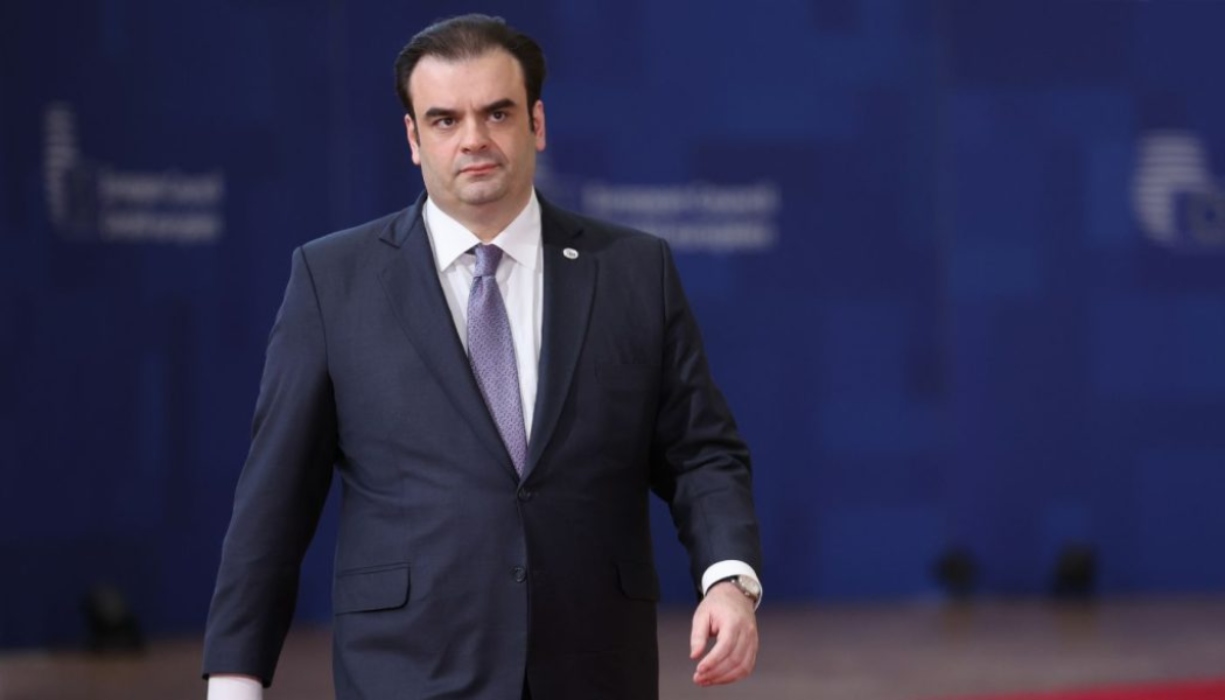
The session is chaired by Greek Finance Minister Kyriakos Pierrakakis, with European officials already signaling friction over how far intervention should go.
“The discussion is expected to be quite intense”, a senior EU official noted, highlighting divisions over fiscal space and policy direction.
The European Commission is set to present its first consolidated assessment of the crisis, offering:
- Strategic guidance for national support measures
- Analysis of energy price developments
- Initial policy options to contain inflation
“More advisory guidance for the design of national measures”, aligned with requests from the European Council.
Energy shock ripples through the economy
The Middle East crisis is rapidly translating into economic strain across Europe:
- Rising energy costs
- Increased pressure on households and businesses
- Renewed inflationary risks
The Eurozone once again faces a familiar dilemma: protect consumers or preserve fiscal discipline.
ECB outlook: uncertainty dominates
The European Central Bank will present its March macroeconomic projections, but expectations remain clouded by uncertainty.
“Future forecasts remain extremely difficult”
“Much depends on the duration of the crisis”
With geopolitical developments evolving rapidly, policymakers are navigating without a clear roadmap.
Global energy markets in focus
Also participating is Fatih Birol, head of the International Energy Agency, who will brief ministers on:
- Global energy market volatility
- Supply risks and price scenarios
- Potential policy responses
His intervention is seen as critical, as energy remains the primary transmission channel of the crisis into the real economy.
Limited fiscal space, tougher choices
Unlike in 2022, when governments deployed massive support packages, the current environment is far more constrained:
“Those measures had a significant fiscal cost — today, the same space no longer exists”
This implies:
- More targeted interventions
- Stricter fiscal discipline
- Careful calibration of support measures
“This does not mean no action — but it must be carefully designed”
Geopolitical analysis: Europe at a turning point
Today’s Eurogroup meeting underscores a deeper structural reality:
Europe remains highly exposed to external shocks, particularly in energy.
The Middle East crisis is acting as a catalyst:
- Reigniting concerns over energy dependency
- Testing Eurozone cohesion
- Reviving fears of prolonged inflation
The central question is no longer whether shocks will occur — but:whether Europe can respond fast enough, and as one
Source: pagenews.gr
Διαβάστε όλες τις τελευταίες Ειδήσεις από την Ελλάδα και τον Κόσμο





Το σχόλιο σας