


Greek Tourism Faces Geopolitical Winds and Growth Opportunities in 2026
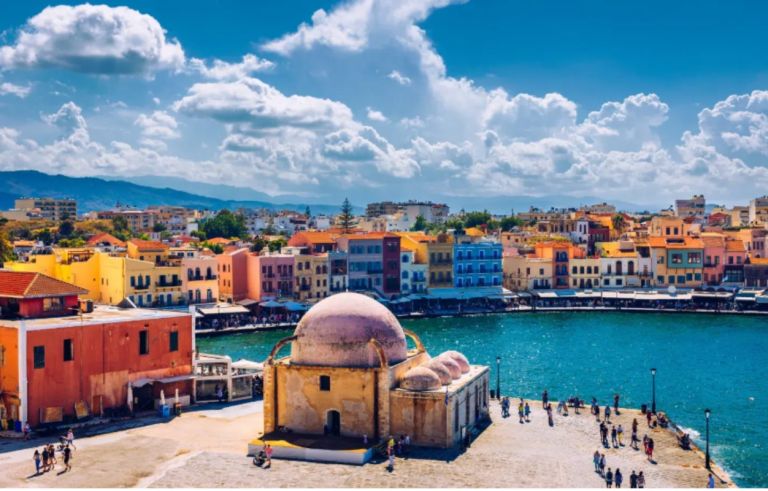
Πηγή Φωτογραφίας: freepik//Greek Tourism Faces Geopolitical Winds and Growth Opportunities in 2026



Greece’s tourism sector, a cornerstone of the national economy, contributed approximately 21% to GDP in 2025, generating revenues of €23.6 billion, according to the Bank of Greece (BoG). Early estimates for 2026 indicate continued growth, fueled by the extension of the tourist season, promotion of alternative tourism forms, and a strengthening cruise sector. Yet, geopolitical uncertainty in the Middle East remains a critical variable influencing arrivals and spending.
“Although Greece is not at the epicenter of the conflict, its geographic location and connection to markets in the Eastern Mediterranean and the Gulf make it indirectly exposed to disruptions,” the BoG notes.
Three Determinants for 2026
The trajectory of tourism revenues this year will be shaped by three main factors:
- Duration of the Middle East conflict – affecting travel confidence and destination choices.
- Impact on travelers’ disposable income – particularly among Europeans, Greece’s primary market.
- Traveler preferences for safer or closer destinations – echoing pandemic-era patterns.
“The continuation of hostilities, potential global economic slowdown, and rising trade restrictions negatively influence exports and tourism revenues, highlighting the vulnerability of our service sectors to external shocks,” the BoG adds.
Maintaining the Momentum
Despite regional uncertainties, Greece’s tourism shows resilience. Data indicate positive trends in airline seat bookings for 2026, and international arrivals at Athens International Airport rose 11.7% compared to 2025, with regional airports recording a 5.7% increase according to Fraport Greece.
Sustaining growth will require:
- Investment in infrastructure – energy, water, transportation, and digital connectivity.
- Upgrading accommodations and services – improving quality to meet rising expectations.
- Diversification into alternative tourism – cultural, sports, and gastronomic tourism to extend seasonal activity and distribute arrivals geographically.
“Promoting ‘hidden treasures’ through alternative destinations and experiences can smooth seasonal peaks and foster sustainable growth,” analysts note, emphasizing structural adaptation as essential in a competitive tourism neighborhood.
Labor Market and Sector Challenges
The tourism sector continues to face labor shortages, with vacancies higher than EU averages. Addressing workforce gaps and improving employment conditions are essential for maintaining service quality and competitiveness.
“The sector’s dynamism shows no signs of exhaustion for 2026, but structural reforms remain critical to sustain long-term growth,” the BoG concludes.
Outlook
Greece’s tourism industry enters 2026 at a crossroads: while domestic policies, infrastructure investment, and product diversification promise growth, geopolitical uncertainty and global economic pressures remain key determinants. Successful navigation of these factors will define whether the sector can maintain its vital contribution to the Greek economy.
Source: pagenews.gr
Διαβάστε όλες τις τελευταίες Ειδήσεις από την Ελλάδα και τον Κόσμο







Το σχόλιο σας