


Adonis Georgiadis on BBC: Nationwide social media ban for under-15s

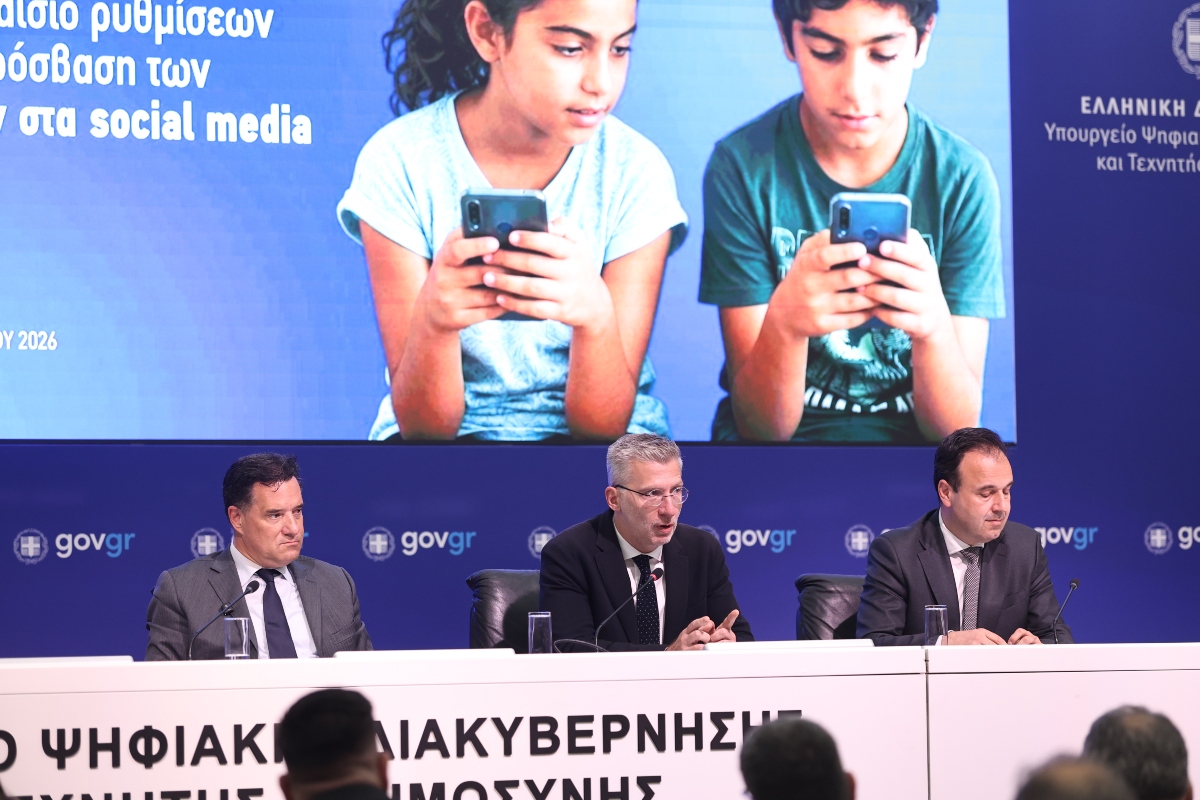
Πηγή Φωτογραφίας: eurokinissi//Adonis Georgiadis on BBC: Nationwide social media ban for under-15s



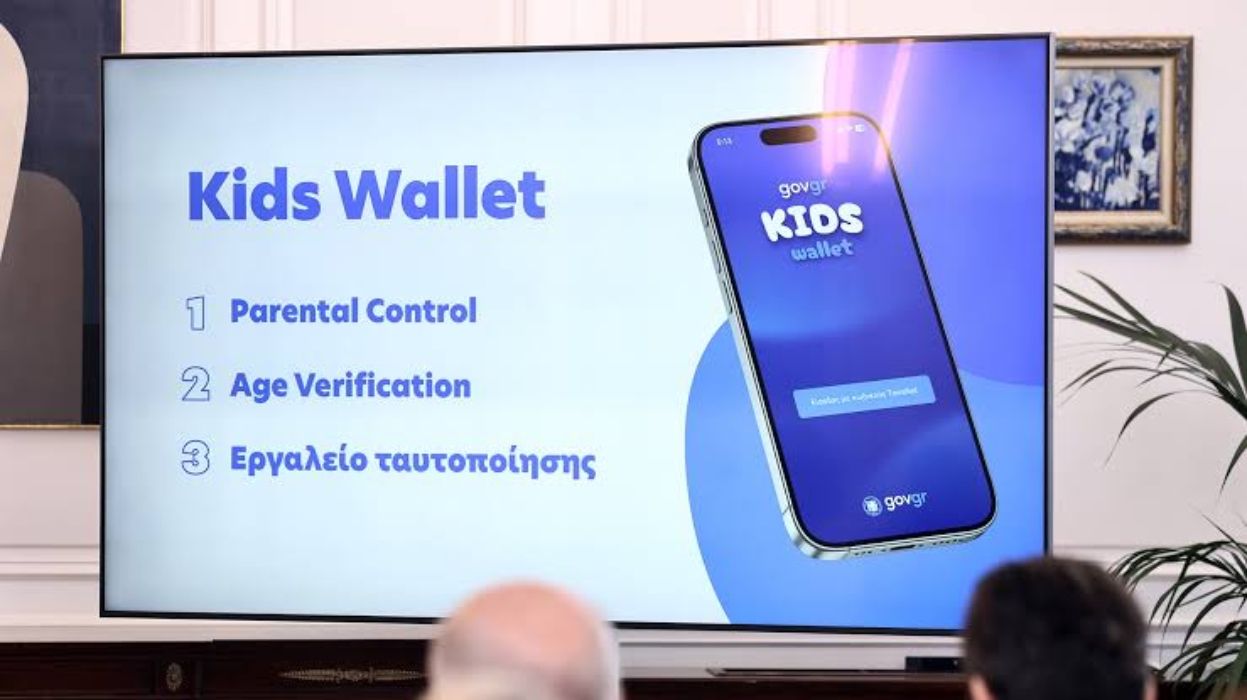
The “Weapon”: Kids Wallet
The central enforcement tool is Kids Wallet:
- verifies age without using personal data
- ensures secure identification
- answers platforms’ key argument that “age cannot be verified”
“We built the tool first, and then we moved to legislation.”
A Clear Government Narrative
Adonis Georgiadis left no room for ambiguity. His responses form a consistent narrative:
Mental health protection of minors is now a top public policy priority.
Why now?
“We are all parents. We observe what is happening in our homes. We see how our children’s behavior is changing and how their mental health is affected by the internet, especially social media.”
“This is not a theoretical discussion. It is something we experience every day.”
“Scientists came to the Ministry of Health and warned us very strongly that these platforms are dangerous for children.”
“Children are not mature enough to deal with misinformation, cyberbullying, and the pressure they face there.”
What exactly will you do?
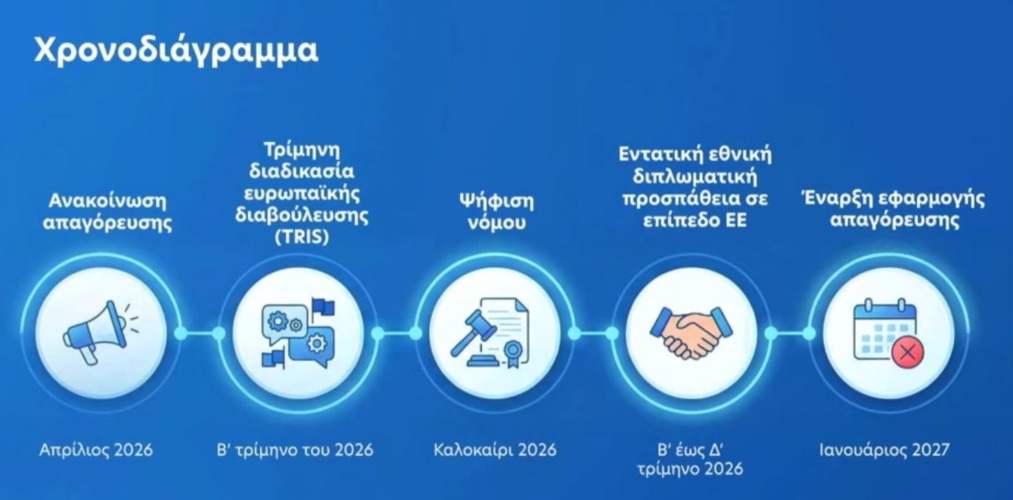
“The decision is to proceed with legislation under the Digital Services Act, introducing a full ban on social media access for children under 15.”
“Implementation will begin on January 1, 2027.”
“This is not just a recommendation. It is a real regulation with enforcement mechanisms.”
Can this actually be enforced?
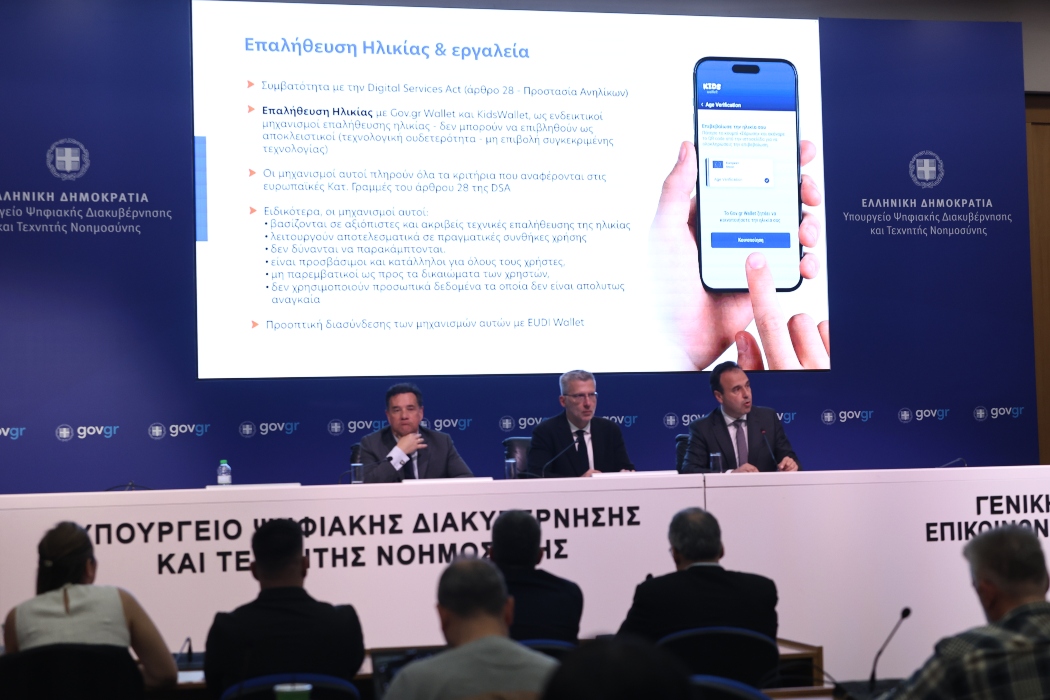
“We have already worked on this. We created the Kids Wallet, a digital tool that verifies whether someone is an adult without requiring personal data.”
“It is a highly sophisticated tool and is already widely used in Greece.”
“Platforms can use it for free if they want to be certain about users’ age.”
“So the main argument that age verification is impossible no longer stands.”
What if children bypass the system?
“Yes, that risk exists. Some children may find more sophisticated ways.”
“But we believe the vast majority will not.”
“If you look at Australia, a significant percentage of children stopped using social media.”
“Even if 30% step away, that means we are saving a large number of children.”
“That alone makes it worth it.”
What about Europe?
“Prime Minister Kyriakos Mitsotakis sent a letter to Ursula von der Leyen, asking for coordinated European action.”
“I am fully confident other countries will follow.”
“It doesn’t matter whether you are in Greece, France, or the UK. Parents see the same problem everywhere.”
Why did it take so long?
“That is a fair question.”
“But first we needed the tool. Platforms were saying they could not verify age.”
“Now that we have the solution, we can move forward.”
Is it too late?
“Perhaps we should have acted earlier.”
“But what matters is that we are acting now.”
“We cannot allow time to pass without intervention.”
THE PUBLIC HEALTH DIMENSION
This intervention is not merely regulatory. It represents a shift in public policy thinking:
from “technology governance” to mental health as a state responsibility
1. Public Health vs Individual Responsibility
The state intervenes as it does with:
- smoking
- alcohol
- school health policies
Social media is now treated as a potential public health risk factor.
2. Digital Addiction as a Health Issue
Continuous exposure:
- disrupts sleep cycles
- affects self-esteem
- increases anxiety disorders
This policy attempts to fill a regulatory and health protection gap.
3. Pragmatic Effectiveness
The Minister’s argument is utilitarian:
not a perfect solution — but a measurable benefit
Even partial reduction:
- lowers exposure to harmful content
- reduces screen time
- strengthens real-world social interaction
4. A Message to Big Tech
The policy also acts as pressure on platforms:
- to improve age verification
- to rethink algorithmic amplification
- to assume responsibility for content ecosystems
The Silent Crisis of Children
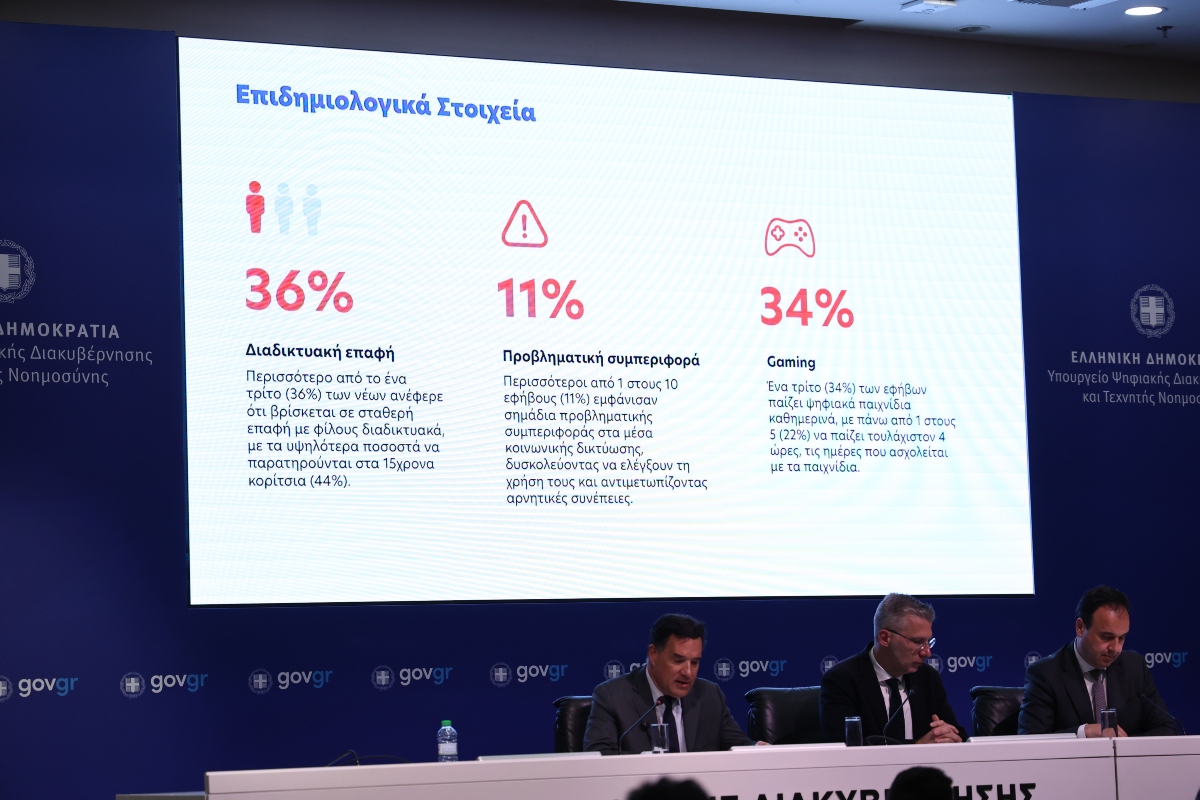
The policy is grounded in an increasingly documented reality:
- rising anxiety and depression among minors
- dependence on digital validation
- exposure to misinformation
- widespread cyberbullying
Adonis Georgiadis was explicit:
“Children are not mature enough to handle this environment.”
The key point is clear:
The intervention led by Adonis Georgiadis is not just about restriction.
It is part of a broader strategy to redefine the boundaries between childhood, technology, and state responsibility — with mental health at its core.
Source: pagenews.gr
Διαβάστε όλες τις τελευταίες Ειδήσεις από την Ελλάδα και τον Κόσμο








Το σχόλιο σας