


Greece Sees First Step Toward Energy De‑escalation Amid Middle East Ceasefire
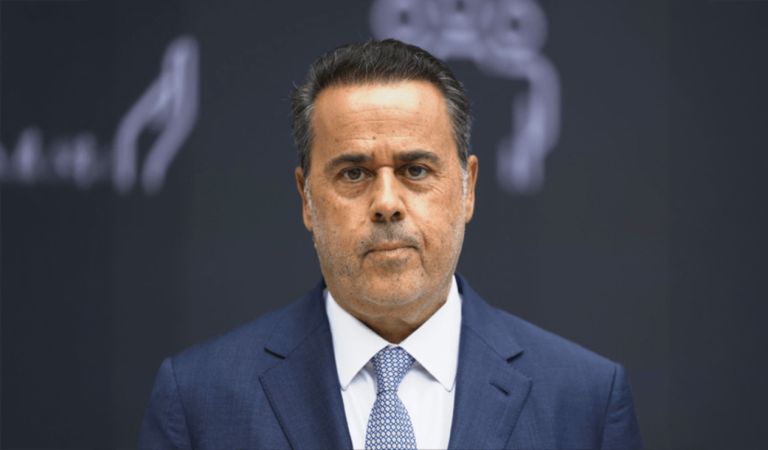
Πηγή Φωτογραφίας: eurokinissi//Greece Sees First Step Toward Energy De‑escalation Amid Middle East Ceasefire



Greek authorities welcome early signs of reduced geopolitical tension affecting energy trade routes while stressing continued vigilance and long‑term strategies to bolster supply security.
Optimism Tempered by Caution
Greece’s Energy and Environment Minister, Stavros Papastavrou, has characterised recent global developments — notably a temporary ceasefire and the reopening of strategic shipping passages — as a “first step” toward energy de‑escalation, offering the possibility of easing the pressure on international energy prices. However, he emphasised that the situation remains fragile and that authorities are maintaining high alert given ongoing global uncertainty and volatility.
Papastavrou highlighted that the reopening of key maritime routes — routes that had been disrupted by Middle East hostilities — could help restore commercial navigation and alleviate some of the stress on energy markets. This matters not only for global trade, but also for Greece’s significant shipping sector, which is reliant on open sea lanes.
“We hope this will lead to a de‑escalation in energy prices,” the minister said, underlining that any improvement will depend on sustained calm along major maritime corridors.
At the same time, officials are underlining the temporary nature of the truce and the continued risk of instability — meaning that while expectations have lifted slightly, markets remain cautious.
Domestic Preparedness: Monitoring and Resilience
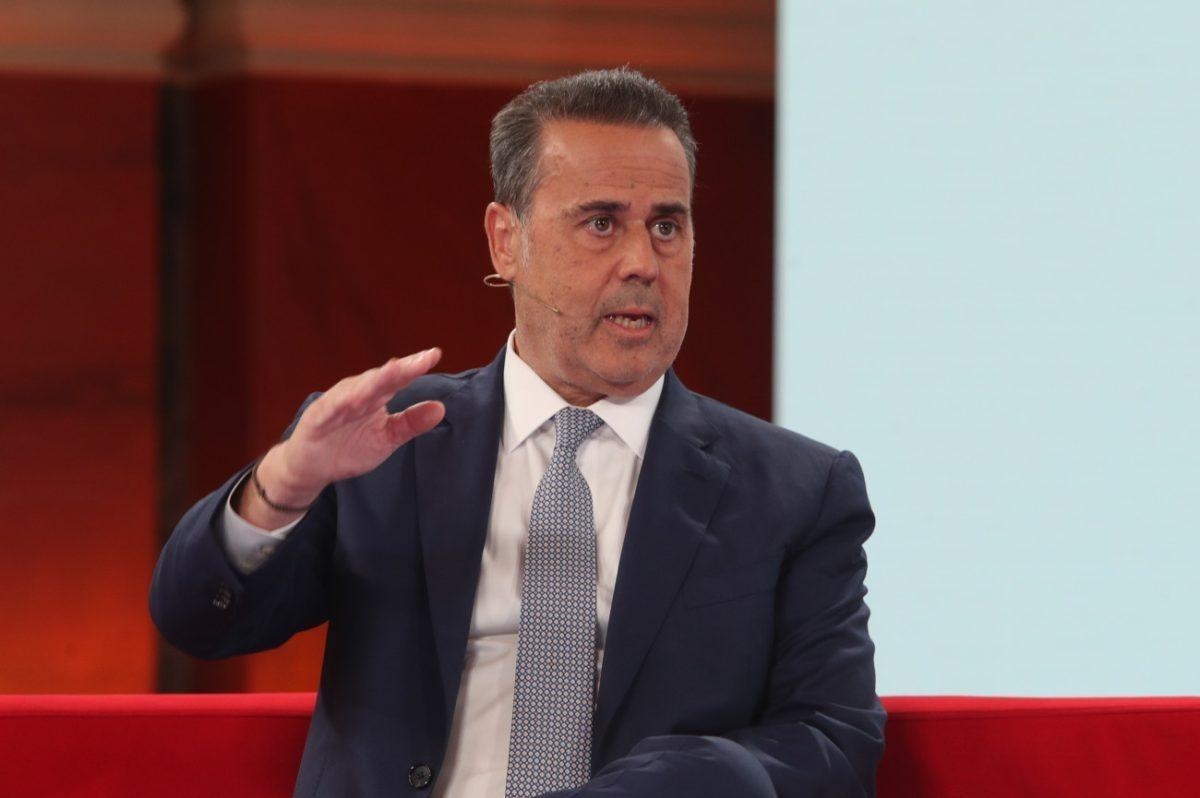
Greek authorities are not taking any chances. Ahead of the Easter holiday, a high‑level government meeting convened to assess energy system stability, focusing on fluctuations in electricity production, demand, and fuel supplies. This has included reviewing the adequacy of supplies of electricity, diesel, aviation fuels and natural gas to ensure reliable delivery throughout the season.
Papastavrou stressed the importance of constant monitoring to safeguard supply security for at least the next 90 days, noting that persistent volatility on global markets continues to pressure reserves and necessitates close coordination with energy operators and grid managers.
In parallel with these short‑term efforts, Greece is also investing in longer‑term energy infrastructure and strategy. This includes the connection of new battery storage systems to the grid — part of a broader push to enhance grid stability — and preparations for exploratory drilling in the Ionian Sea in early 2027, in partnership with international energy firms.
Global Context: Supply Disruptions and Price Pressures
The backdrop to these developments is a challenging global energy environment, where disruptions in supply chains and elevated fuel prices have been driven by geopolitical tensions, including conflict in the Middle East and reduced throughput in major maritime chokepoints. The reopening of strategic corridors like the Strait of Hormuz is widely seen as critical to restoring normal flow, but many analysts stress that infrastructure damage and broader market pressures mean price relief may take time.
Regional optimists argue that even a temporary reduction in tension could signal a return to more stable trade routes and improved market sentiment, with knock‑on effects on pricing if maintained. However officials like Papastavrou have been clear that vigilance is necessary in light of persistent unpredictability
Broader Policy Moves and Industry Reaction
Athens has also pursued policy measures to address domestic energy cost burdens. The government unveiled a €300 million plan designed to cut industrial energy costs through targeted support and long‑term efficiency improvements — though some industry leaders argue these measures may not fully resolve deeper structural price issues.
At the same time, Greece has actively asserted its role in energy diplomacy and regional cooperation, acknowledging that energy security is not solely an economic issue but also a geopolitical one requiring diversified supply and infrastructure resilience.
What This Means for Greece’s Energy Outlook
The current situation represents a tentative positive signal for Greece and the wider international community, but one framed with cautious realism. Officials see the ceasefire and route reopenings as useful initial steps, yet they clearly recognise that:
- Energy price de‑escalation is far from assured
- Supply vulnerabilities remain in place
- Strategic planning and structural reforms are essential for long‑term stability
In this context, Greece’s approach blends immediate market vigilance with investments in storage, grid resilience, and future resource exploration — all while continuing to integrate broader EU energy policy goals.
Source: pagenews.gr
Διαβάστε όλες τις τελευταίες Ειδήσεις από την Ελλάδα και τον Κόσμο







Το σχόλιο σας