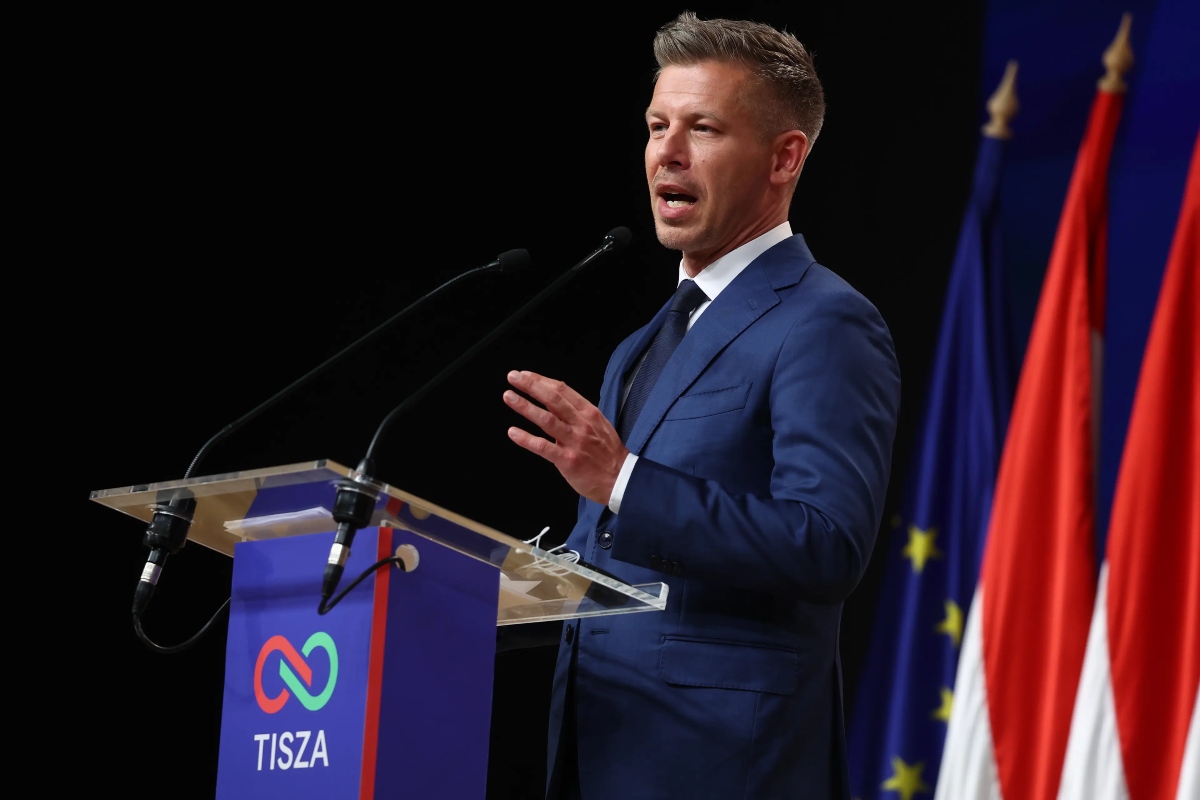
A political shift in Hungary could mark a major geopolitical turning point in its relationship with the European Union. Péter Magyar, the country’s incoming prime minister, is moving swiftly to reset ties with Brussels after years of confrontation under Viktor Orbán.
Magyar has already made his first decisive move: a phone call with European Commission President Ursula von der Leyen, signaling a clear intent to rebuild trust and unlock frozen EU funds.
Billions on hold and a ticking clock
At the center of negotiations are roughly €18 billion in EU funds currently frozen over rule-of-law concerns. Budapest is also seeking access to an additional €16 billion in defense-related loans, alongside relief from fines reaching €1 million per day.
But the European Commission is holding firm: no reforms, no money.
Time pressure is intense. Without tangible progress by August, Hungary risks permanently losing significant portions of these funds.
Brussels’ conditions: rule of law and Ukraine
EU demands fall into two main categories:
- Institutional reforms: judicial independence, media freedom, anti-corruption measures
- Geopolitical alignment: stronger support for Ukraine and a shift away from pro-Russian positions
Key flashpoints include:
- EU financial aid packages to Kyiv
- Sanctions against Russia
- Ukraine’s EU accession process
Magyar has signaled a more cooperative stance, hinting he will avoid blocking major EU decisions—breaking with past policy.

Article 7 and a credibility test
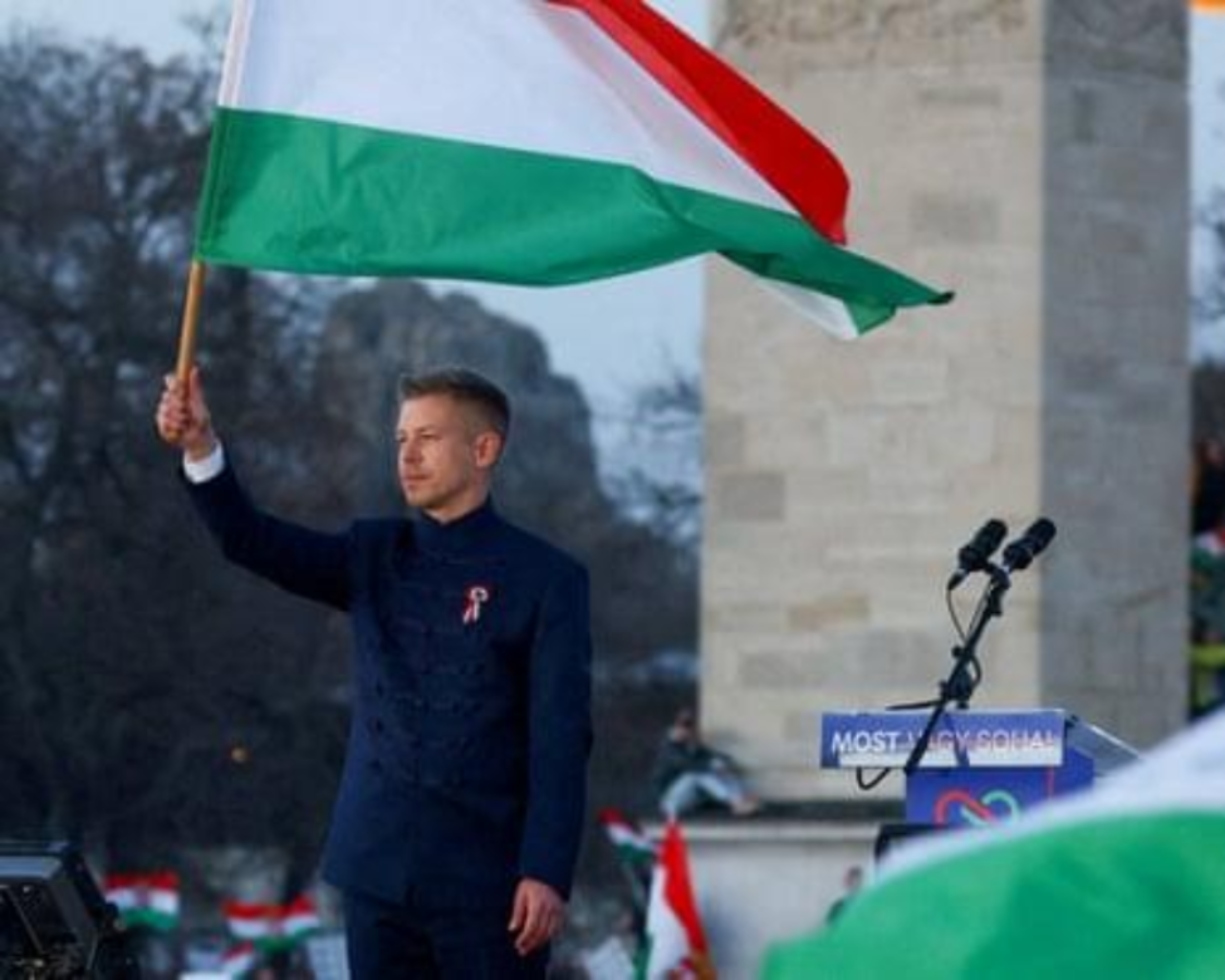
Hungary remains under the Article 7 procedure—one of the bloc’s most serious mechanisms addressing rule-of-law breaches.
The coming months will be a crucial test: can Magyar deliver real systemic change, or is this merely a shift in tone?
The Poland playbook—and its limits
Attention is also turning to Poland, where Prime Minister Donald Tusk managed to unlock over €100 billion in EU funds by committing to reforms.
However, that experience has made Brussels more cautious: promises alone are no longer enough—implementation is key.
Unlike Tusk, Magyar holds a strong parliamentary supermajority, potentially allowing him to pass reforms swiftly without institutional gridlock.
Turning point or tactical reset?
Magyar has pledged “compromise” and smoother EU decision-making, while trying to balance European alignment with national interests—especially in sensitive areas like Russian energy imports.
The central question remains: will this mark a genuine turning point for Hungary, or simply a more pragmatic version of the same strategy?
Sources: With information from: Politico