A political and religious collision with electoral consequences
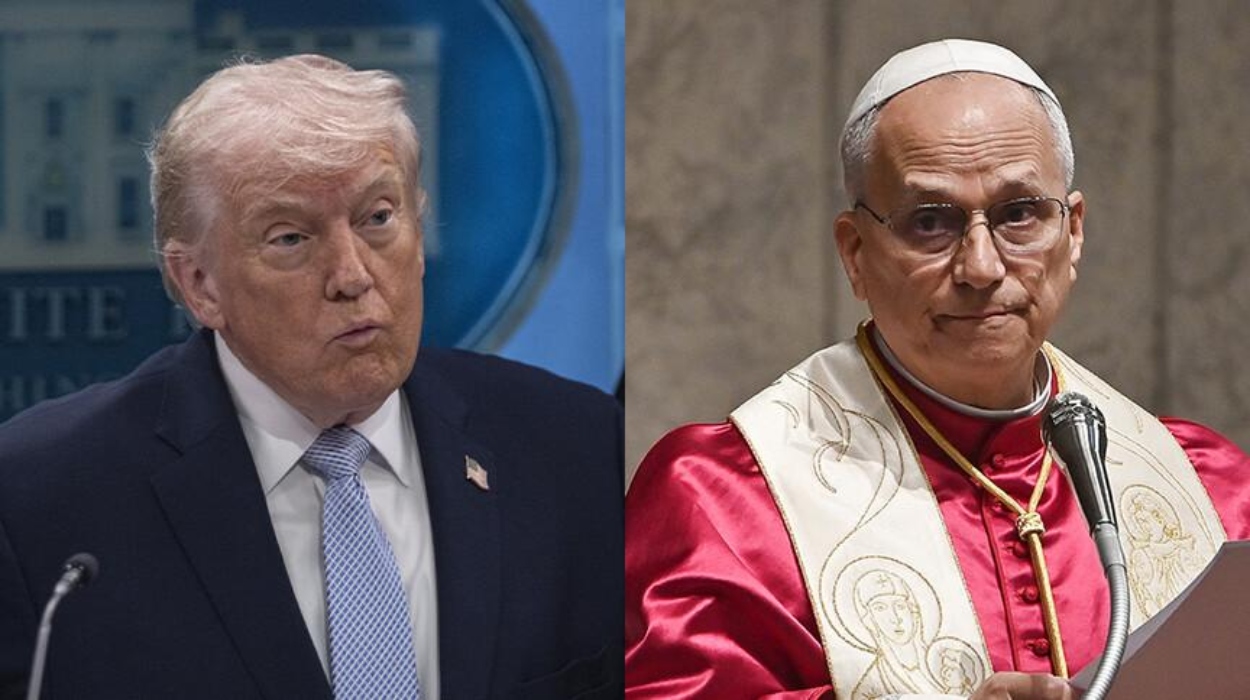
The dispute between Donald Trump and Pope Leo XIV has intensified in recent days, with sharp exchanges over the Iran conflict, military policy, and the moral legitimacy of war.
According to reporting by Axios, the controversy is increasingly viewed through a domestic political lens in Washington, where strategists are warning that Trump’s rhetoric risks alienating Catholic voters who were instrumental in his 2024 election victory.
Catholics remain one of the most important swing religious groups in the United States, often deciding close elections in key battleground states.
What triggered the escalation
The confrontation deepened after Pope Leo XIV publicly criticized what he described as a “delusion of omnipotence” driving global conflicts, including the US-backed military campaign linked to the Iran crisis.
In response, Trump attacked the Pope directly, calling him “weak on crime” and “terrible on foreign policy,” while accusing him of interfering in geopolitical matters.
The dispute escalated further when Trump posted — and later deleted — an AI-generated image depicting himself in a Christ-like pose, a move that sparked backlash even among some conservative Catholic voices.

Why Catholic voters matter in this conflict
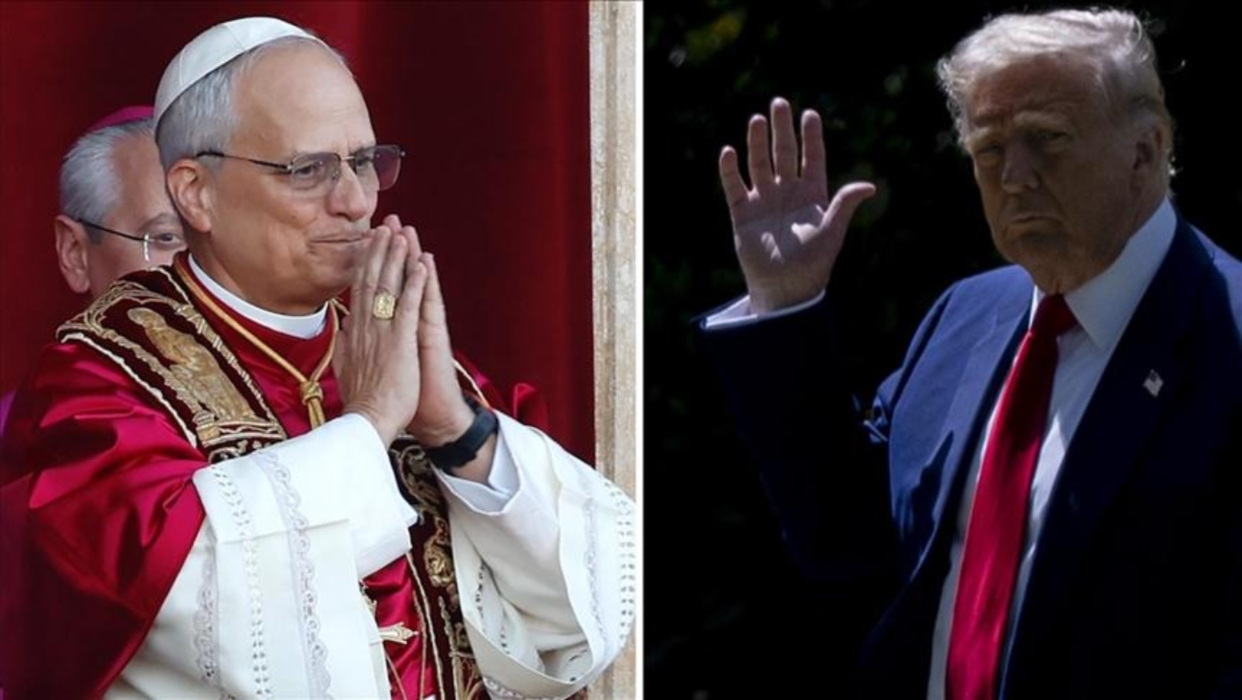
Axios highlights that Catholics are the largest swing religious bloc in American politics, meaning even small shifts in sentiment can have electoral consequences.
Key concerns among political analysts include:
- Trump’s tone toward a globally respected religious leader
- Perceptions of disrespect toward the Catholic Church
- Growing tension between religious morality and foreign policy hawkishness
Historically, Trump has performed strongly among Catholic voters, but recent polling trends already suggested softening support before the Pope dispute intensified.
The Vatican’s position: moral authority vs political pressure
Pope Leo XIV has maintained that the Church’s role is to speak on peace, human dignity, and the ethics of war, rejecting the idea that religious leaders should remain silent on geopolitical crises.
His statements on the Iran war and military escalation have been framed by Vatican officials as part of a broader moral responsibility to protect civilians and discourage further escalation.
The Vatican has also signaled concern over the politicization of religious symbolism in public discourse, particularly following Trump’s controversial imagery and rhetoric.

Political fallout in the United States
The backlash inside the US political system has been mixed:
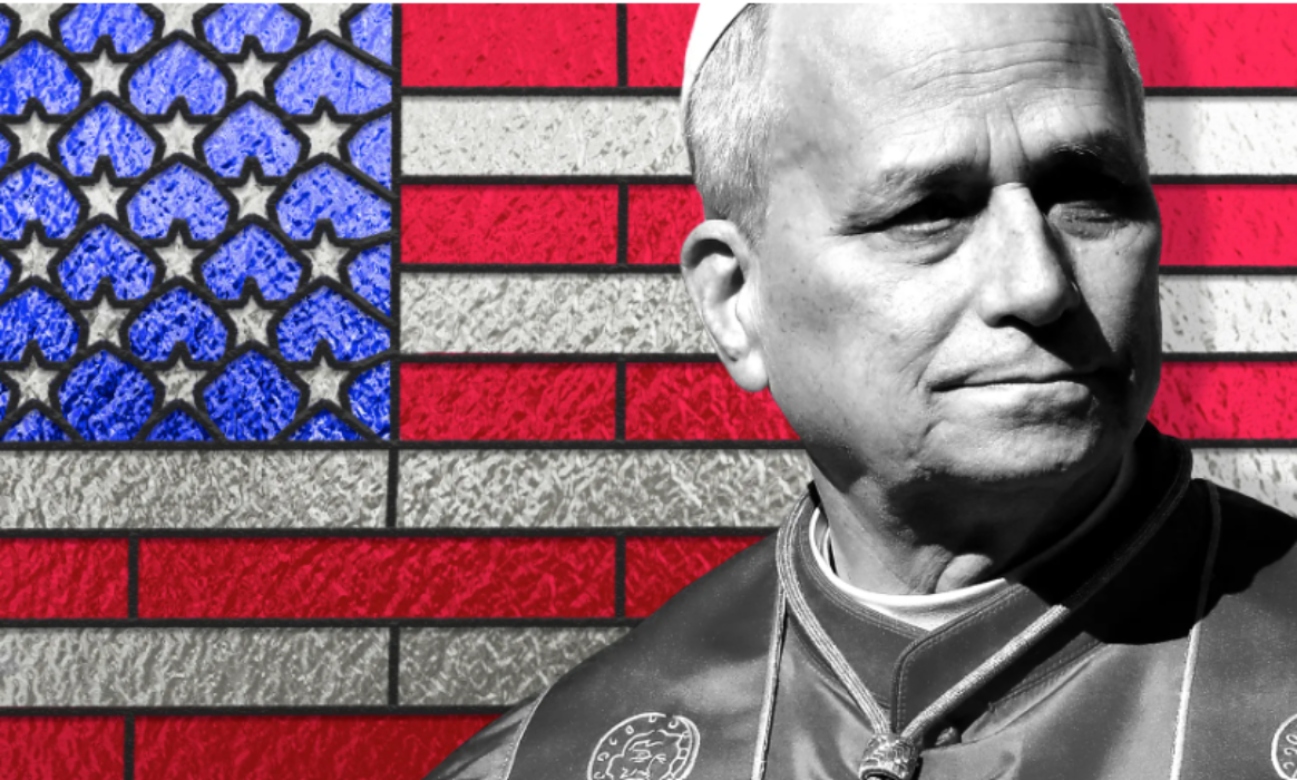
Some Republican allies argue that the Pope is stepping into political territory, while Catholic leaders and bishops have criticized Trump’s tone as disrespectful toward the papacy.
At the same time, Democratic voices have seized on the controversy, framing it as evidence of Trump’s willingness to confront even religious institutions in pursuit of political messaging.
A deeper ideological divide
Beyond electoral implications, analysts see the conflict as part of a broader ideological split:
- Trump’s camp: prioritizing national security, deterrence, and geopolitical dominance
- Vatican leadership: emphasizing restraint, diplomacy, and moral limits on warfare
This divergence has turned the Pope into an unexpected figure in US political discourse, especially during a period of heightened global instability.
A risk that goes beyond religion
While the dispute may appear symbolic, Axios and other analysts suggest it carries real political weight.
If Catholic voters begin to perceive the conflict as disrespect toward their faith, it could introduce volatility into a key voting bloc that often determines electoral outcomes in closely contested US states.
At the same time, the clash underscores a larger question: how far political leaders can go in confronting global religious authorities without triggering domestic backlash.
Source: pagenews.gr