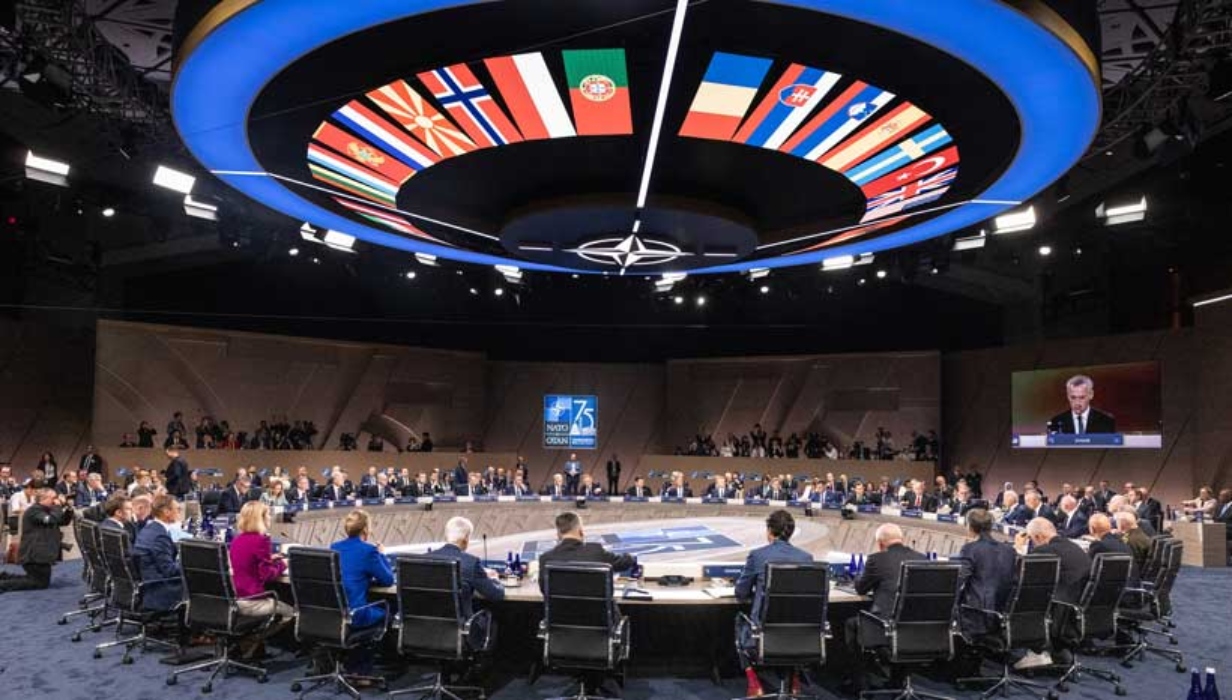
A tense atmosphere, nervous diplomacy and frantic behind-the-scenes negotiations dominate the NATO foreign ministers’ summit in Sweden, as the Alliance enters what many officials privately describe as its most uncertain moment since the Cold War.
The reason is simple — and deeply alarming for Europe.
The Trump administration is now openly moving toward a gradual withdrawal of US commitments to European security, triggering growing anxiety across Brussels, Berlin and Warsaw.
At the same time, the war in Iran is rapidly draining American stockpiles of advanced weapons systems, raising fears that NATO could soon face shortages affecting both European defense readiness and military aid to Ukraine.
“America First” returns with force
Washington’s message to its allies has been stark: US security guarantees for Europe can no longer be treated as automatic — even in the event of major conflict.
NATO sources confirm that new American plans would significantly reshape the US role inside the Alliance during future crises or wartime scenarios.
“The doctrine is changing. Europeans will have to learn to stand on their own feet,” one Western diplomat said during closed-door discussions.
For decades, Europe operated under the assumption that the American military umbrella was untouchable. That assumption is now being shaken at its core.
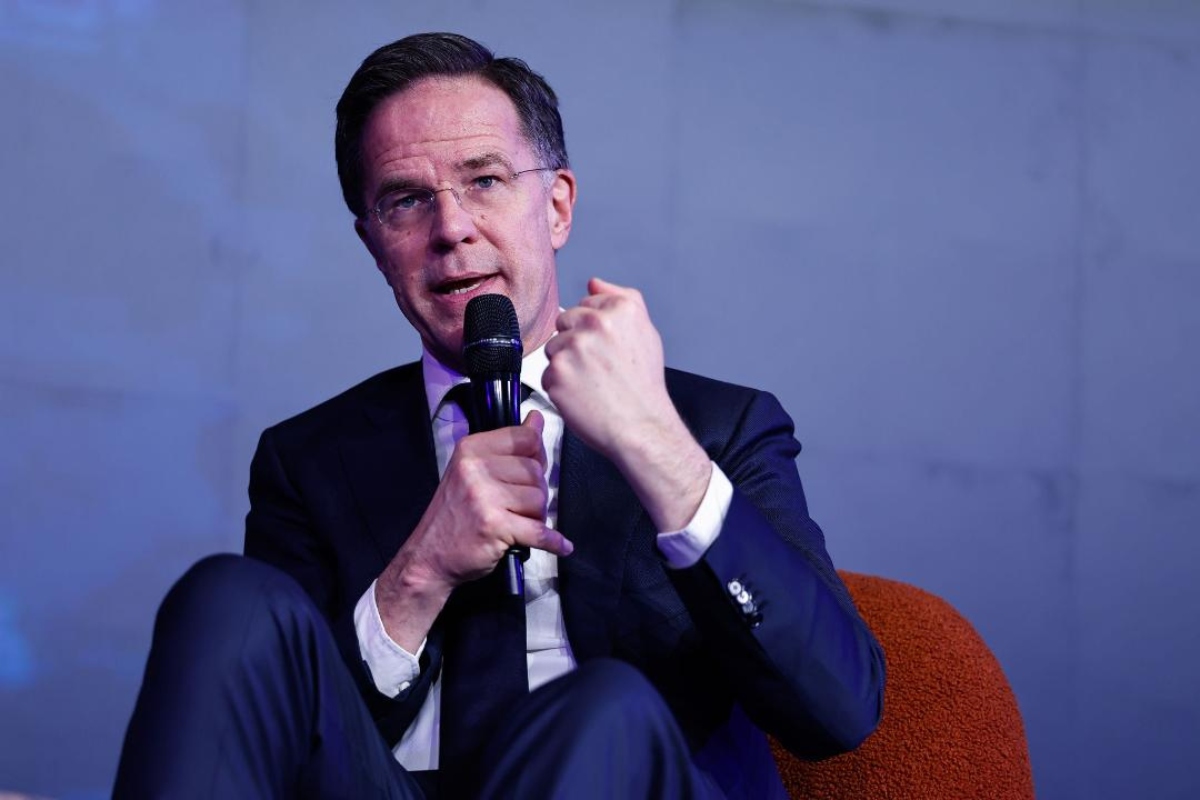
Mark Rutte tries to calm fears
NATO Secretary General Mark Rutte attempted to downplay concerns, insisting that the US shift toward Asia has long been expected.
“This was foreseeable,” he told reporters in Brussels, while emphasizing that Washington would remain engaged in Europe during a transitional period.
But behind the diplomatic messaging, tensions are mounting rapidly.
Officials from Eastern Europe, especially Poland and the Baltic states, fear they could be left dangerously exposed in the face of Russian pressure.
Trump’s clash with Germany rattles the Alliance
The crisis intensified after Donald Trump abruptly announced the withdrawal of 5,000 US troops from Germany following a dispute with German Chancellor Friedrich Merz over the US-Israeli war with Iran.
Trump reportedly reacted furiously after Merz criticized the conflict as poorly planned and accused Washington negotiators of being “humiliated” by Tehran.
But the real shock came elsewhere.
Rather than simply reducing troop numbers in Germany, Washington effectively froze the deployment of 4,000 soldiers who were already scheduled to move into Poland — blindsiding Warsaw.
“The Poles feel the rug has been pulled out from under them,” one European official admitted.

Patriot missile stockpiles running dry
A second major issue dominating the summit is the alarming depletion of US weapons reserves.
Military operations in the Middle East — especially the war in Iran — are consuming vast quantities of advanced systems, with Patriot missile inventories now becoming a central concern.
European officials warn that if current consumption rates continue, critical ammunition shipments to Ukraine could soon be severely affected.
“This is no longer theoretical. Stockpiles are emptying faster than they can be replenished,” a senior NATO official warned.
Rubio’s blunt warning: Produce more weapons now
US Secretary of State Marco Rubio is expected to pressure allies to dramatically increase defense industrial production.
Washington’s message to Europe is increasingly direct:
“If you want security, you must arm yourselves.”
Even Rutte acknowledged the urgency.
“The question is no longer whether we must do more. The question is how fast allies can turn commitments into real capabilities,” he said.
Ukraine left in limbo ahead of Ankara summit
The Sweden ministerial meeting is widely viewed as a rehearsal for NATO’s major summit in Ankara this July.
One key issue is whether Ukrainian President Volodymyr Zelenskyy will receive a formal invitation.
But the second Trump administration has effectively frozen Ukraine’s NATO ambitions, marking a sharp departure from the Biden administration’s much stronger support for Kyiv.
As NATO enters this new phase, one reality is becoming impossible for Europe to ignore:
less America, more uncertainty — and a continent increasingly aware that it may one day have to defend itself without guaranteed US protection.
Source: pagenews.gr