Israel: Eisenkot counts votes, Netanyahu buys time and another election looms
 ΧΡΟΝΟΣ ΑΝΑΓΝΩΣΗΣ 5 '
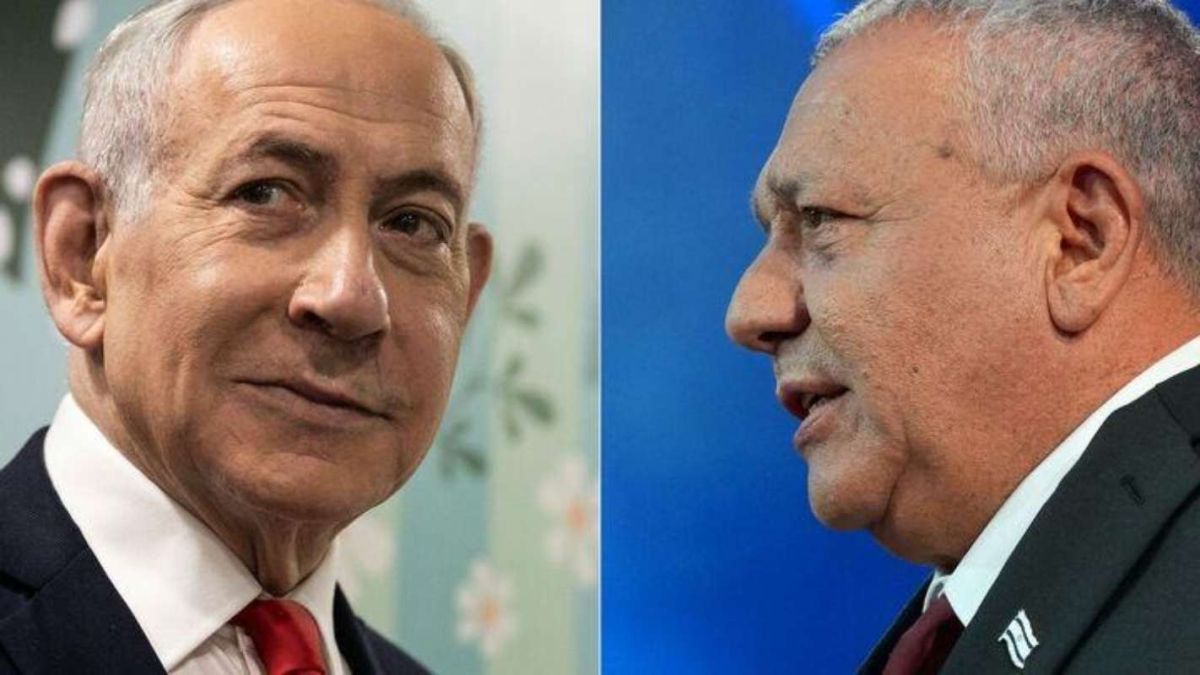
Πηγή Φωτογραφίας: Benjamin Netanyahu and Gadi Eisenkot, October 27–28, 2026. Jewel Samad and Maya Levin / AFP via Getty Images//Benjamin Netanyahu and Gadi Eisenkot, October 27–28, 2026. Jewel Samad and Maya Levin / AFP via Getty Images



“It will happen,” Gadi Eisenkot told Israeli news outlet Walla on Wednesday, November 25, when asked whether he could form a government. Over the previous 24 hours, the former military chief had secured his first coalition agreement, with Avigdor Lieberman, and seen another prospective partner, Yair Golan, suspend talks. A month after Israel’s October 27 election, Benjamin Netanyahu remains caretaker prime minister.
Israel’s Channel 12 reported that Eisenkot’s team is aiming to swear in a government on Wednesday, December 2. His initial mandate, granted by President Isaac Herzog on November 8, expires on Sunday, December 6. Herzog can extend it by up to 14 days, taking the deadline to December 20.
The 19 Arab-party seats and the talks with ultra-Orthodox lawmakers
Eisenkot’s bloc holds 48 seats in the 120-member Knesset, while Netanyahu’s holds 53. The two ultra-Orthodox parties account for 14 of Netanyahu’s 53 seats. Ra’am and the Joint List, the two predominantly Arab parties, hold 19 between them. Their backing could give Eisenkot 67 votes, but Lieberman opposes a government that depends on their support.
Lieberman, who leads Yisrael Beiteinu, told public broadcaster KAN that he expected a government with a “clear Jewish majority.” He said lawmakers from United Torah Judaism had received approval from their rabbis to continue negotiations. A central issue is military conscription for students at religious seminaries. Shas, the other major ultra-Orthodox party, is keeping its distance for now, Channel 12 reported.
The broadcaster also reported that Eisenkot is weighing a 55-seat minority government with United Torah Judaism that would rely on Arab parties abstaining in the confidence vote. Ra’am leader Mansour Abbas has expressed confidence that Eisenkot can form a government. His party’s position in a confidence vote remains open.
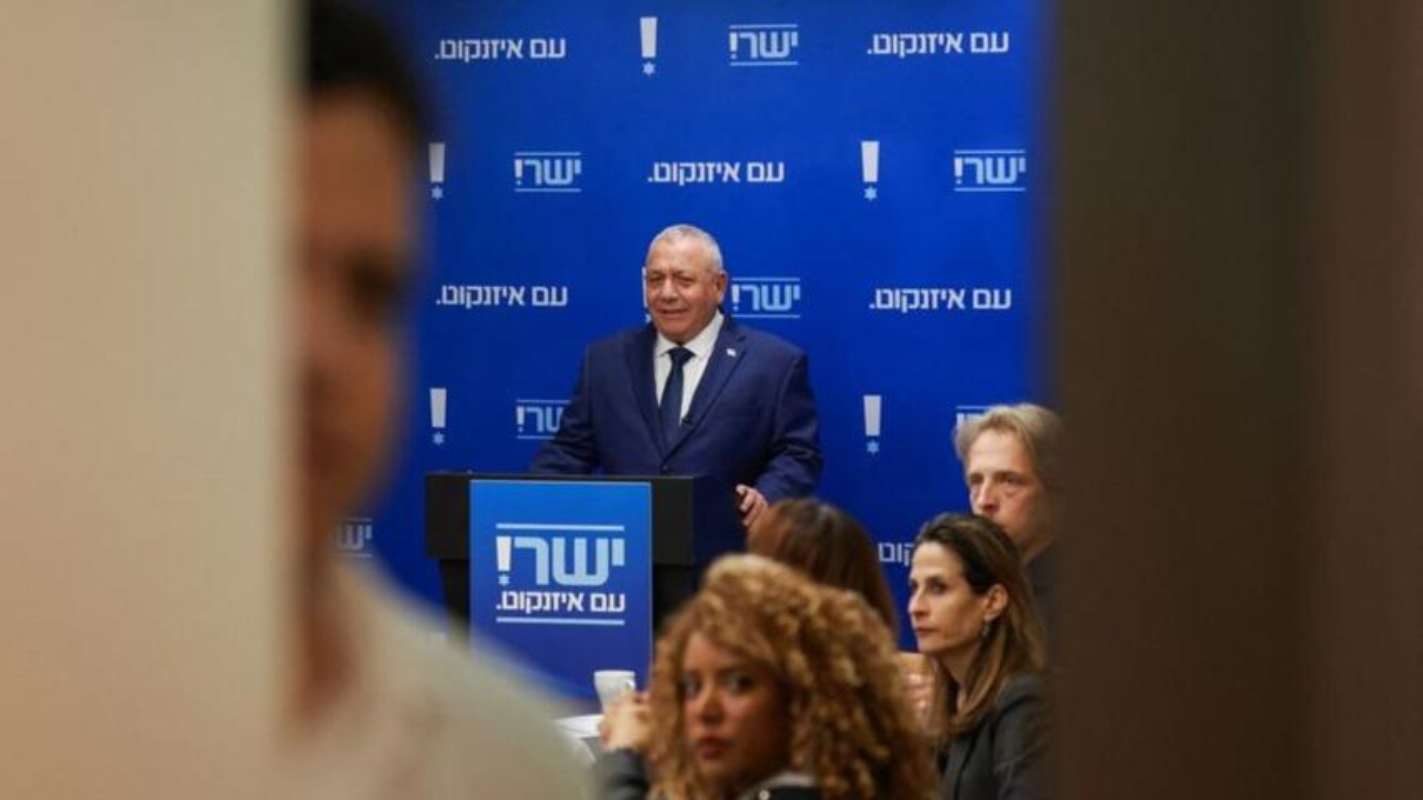
Golan suspends talks and presses for a senior ministry
“We must take the unity option off the table,” Golan’s Democrats said as they suspended negotiations with Eisenkot’s Yashar party. Golan, whose party holds eight seats, objects to the parallel talks with Netanyahu’s Likud. A unity agreement could involve Eisenkot and Netanyahu rotating as prime minister, Al-Monitor reported. Who would serve first remains a point of contention.
Golan is seeking the defense, foreign affairs or finance ministry. Failing that, he wants two cabinet posts for his party, with education and justice among the portfolios it is pursuing. A tentative lineup reported by KAN would give defense to Lieberman, finance to Naftali Bennett, foreign affairs to Yair Lapid and national security to Golan. Channel 13 reported that Lieberman’s party would also get the justice portfolio Golan is seeking.
The Knesset turns up the pressure as judges question the case against Netanyahu
On November 25, the Knesset voted 65–50 in a preliminary reading to advance a bill establishing a five-member state commission of inquiry into the Hamas-led attack of October 7, 2023, and the war that followed. The proposed inquiry would cover the period from the end of the 2014 Gaza war through the return of the last hostage’s remains in January 2026. “We all deserve answers,” the bill’s sponsor, Orit Farkash-Hacohen, told lawmakers.
A separate bill advanced 65–48. It would impose an eight-year limit on consecutive service as prime minister and restrict lawmakers facing criminal indictment from receiving a mandate to form a government. The proposed rules would take effect in the next Knesset. Both bills still require three further readings.
That same day, judges in Jerusalem urged Attorney General Gali Baharav-Miara to consider dropping Case 4000, the most serious of the three cases against Netanyahu. It concerns allegations that he gave telecoms group Bezeq favorable regulatory treatment in exchange for positive coverage from Walla. The judges also called for a review of Case 2000, which concerns Netanyahu’s discussions with a newspaper publisher, and urged prosecutors to explore a deal in Case 1000, which concerns luxury gifts. The charges remain in place, and Netanyahu denies them.
If Eisenkot’s mandate expires without a deal, Herzog can turn to another lawmaker. If subsequent attempts also fail, Israel could return to the polls. Until then, each day without a coalition keeps Netanyahu in office and leaves him in contention for the next mandate.
Source: pagenews.gr
Διαβάστε όλες τις τελευταίες Ειδήσεις από την Ελλάδα και τον Κόσμο