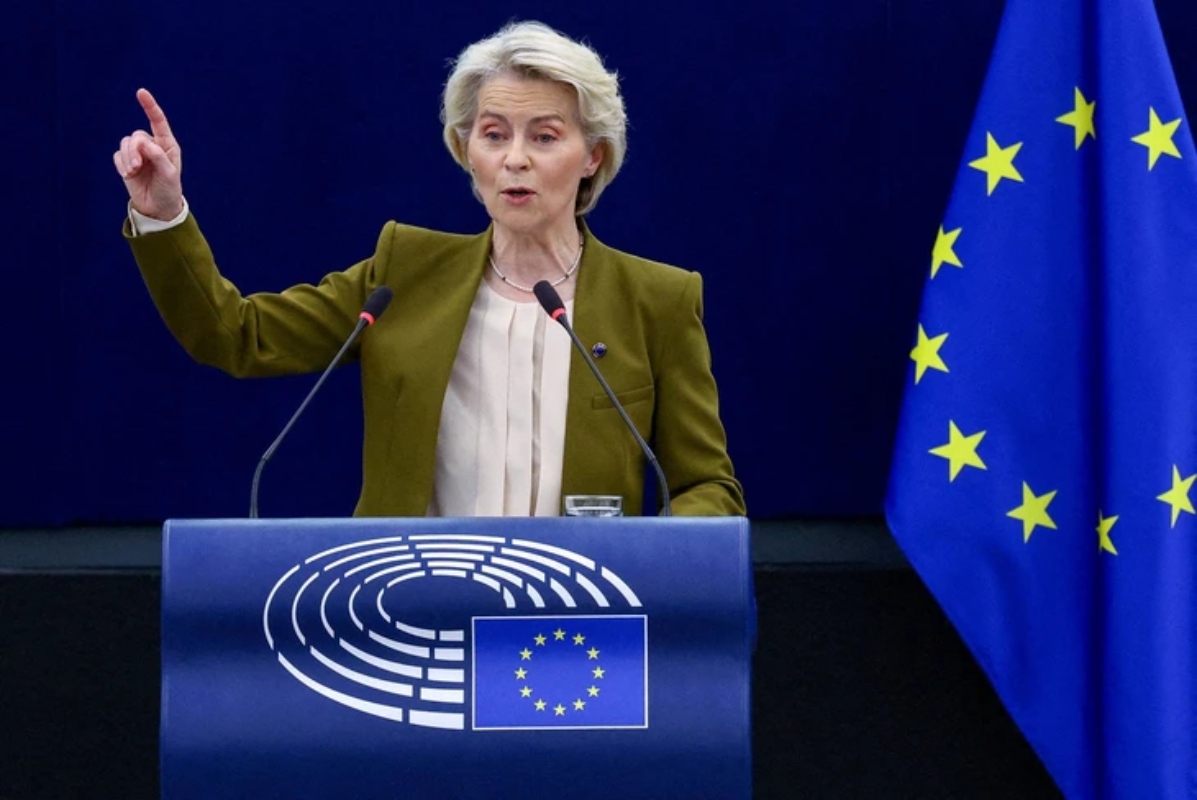
Europe once dreamed big.In the mid-1980s, Jacques Delors ignited a historic ambition: abolish internal borders, create freedom of movement for goods, services, people and capital, unleash a continental engine capable of competing head-to-head with the United States.
By 1992, the Single Market was a reality—a vast space of 450 million consumers, a promise of unprecedented economic dynamism.
Today, that promise looks tired, fragmented and unfulfilled. As the Financial Times asks bluntly: Who killed the dream?
A Promise Only Half Delivered
Yes—the free flow of goods worked.But the other three pillars—services, labour mobility and capital—remain barricaded behind layers of national restrictions.
The ECB has put it in stark terms: the remaining internal barriers are the equivalent of imposing 100% tariffs on services and heavy duties on certain goods.
The result?Lower productivity, sluggish innovation, corporate flight, and a widening technological gap.

The “Culprits” Behind the Decline
• Political resistance
Frits Bolkestein’s early-2000s push to liberalise services was met with street protests and the infamous “Polish plumber” scare. Populism crushed deregulation.
• Economic nationalism
As Mario Monti notes: “Governments say yes to integration in Brussels, and no once they return home.” National champions trump the European good.
• Weakening of the Commission
Since Delors, no Commission has wielded comparable authority. Today’s EU executive is often paralysed by political cost and internal vetoes.
• Businesses that say one thing and do another
Corporations demand deeper integration—but simultaneously lobby to protect their home markets.
• Regulatory overload
Europe never removes old rules; it only adds new ones. The result is a regulatory thicket in which growth is strangled.
The Hard Numbers of Stagnation
The picture is bleak:
- EU productivity = 72% of the US level
- Labour mobility costs are eight times higher than in the US
- The Single Market remains far from the integration of American states
- High-tech investment by the US “Magnificent Seven” alone exceeds half of total EU R&D spending
The European market remains fragmented, slow and risk-averse.
What Could Be Done—And Why It Isn’t
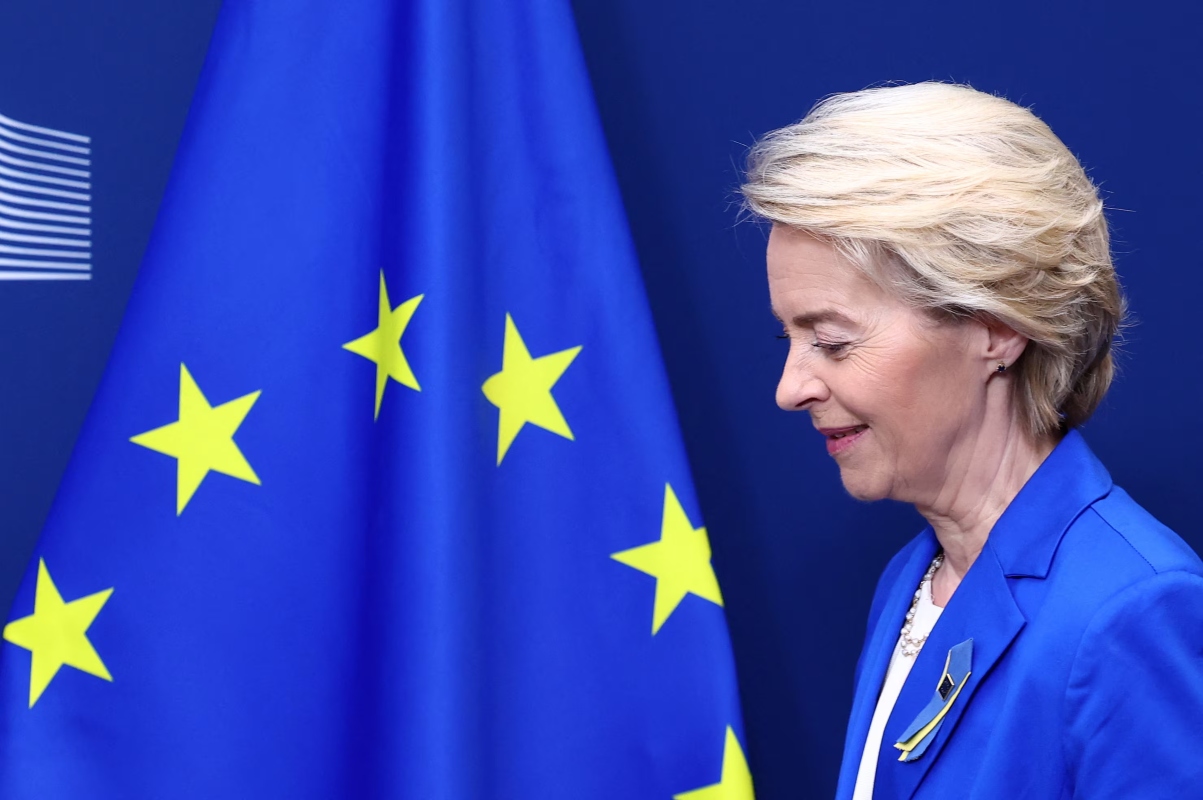
Commission President Ursula von der Leyen promises a “Single Market revival roadmap”. But internal disagreements have already stalled it. Brussels is again trapped in what officials call “paralysis by analysis.”
Ideas on the table:
- Coalitions of the willing: small groups of countries moving ahead, creating a FOMO effect for the laggards
- More uniform rules: using the EU’s full “quasi-federal” authority to harmonise regulation
- European commercial courts to ensure truly unified enforcement
But these are technical fixes to a political problem.
The Real Missing Ingredient: Shared Determination
As the FT concludes:
“No technocrat and no regulation can replace political will.”
Europe does not lack size, talent or capital.It lacks unity—the Delors spirit that once drove ambition across borders.
A Single Market cannot function with 27 different rulebooks, 27 political agendas, and 27 speeds of reform.
Until leaders rediscover the political courage to act collectively, Europe will continue to drift— watching the US and Asia pull further ahead, while its own great project gathers dust.