
A historic step toward a European strategy for affordable housing was taken in Brussels, where 26 of the 27 EU member states agreed for the first time on the need for a unified and coherent European policy on affordable living. The only exception was Hungary, which blocked the formal adoption of the Conclusions; however, the broader landscape is now clear: Europe is preparing to launch the first comprehensive European Affordable Housing Plan.
At the center of this turning point stands Greece, which methodically and politically strategically succeeded in elevating housing to an emblematic issue of social cohesion across the EU.
Michaïlidou in Brussels: “Housing is a fundamental right, not a privilege”
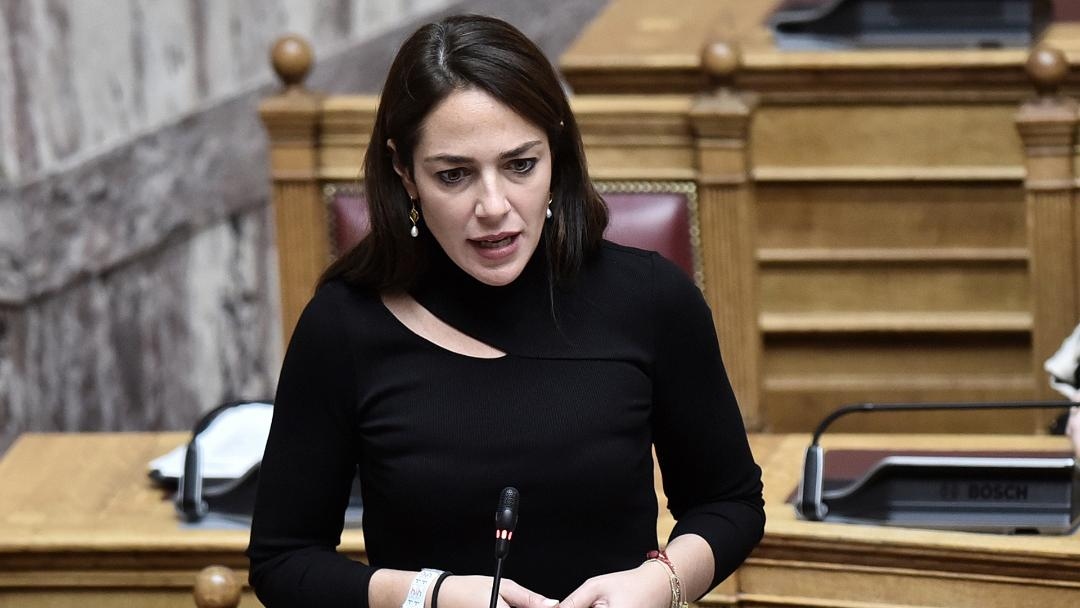
Participating in the Council of Employment and Social Affairs Ministers (EPSCO), Minister of Social Cohesion and Family Domna Michaïlidou delivered a clear political message. She emphasized that affordable housing is not simply an economic concern, but a core instrument for reducing inequality, strengthening social inclusion, and safeguarding European stability.
“Housing is a priority for every European society,” she noted, stressing the momentum behind a unified European framework that will be supported by new financial tools, investment platforms, and the exchange of best practices.
Greece: From observer to policy-shaper in Europe
Greece now plays an active role in shaping Europe’s housing response. Guided politically by Prime Minister Kyriakos Mitsotakis, the country has systematically pushed the issue over recent months, arguing that housing challenges cannot be separated from employment, education, and economic participation.
In the policy dialogue of the European Semester 2026, Michaïlidou highlighted that social objectives should receive equal priority to fiscal ones.
The conditions in which people live directly affect education outcomes, job prospects, and overall life opportunities.

Greek initiatives presented in Brussels
Greece showcased a series of actions it already implements:
- Rent Rebate scheme
- Social Antiparochi (Social Redevelopment)
- Conversion and utilization of unused building stock
- Social housing interventions aimed at youth, students, families, low- and middle-income households
- Targeted support for vulnerable groups: people with disabilities, the elderly, the homeless
Through these initiatives, Greece doesn’t merely follow European direction—it helps define it.
Political Analysis: Why this development matters
The agreement of 26 member states acts as a catalyst at a moment when:
- Europe faces a cross-continental housing crisis
- Social inequality is deepening
- Access to housing is a growing political fault line
This marks a shift from technocratic management to social strategy within the EU. It places housing at the core of the European agenda, where economic indicators and fiscal targets once dominated uncontested.
For Greece, this is also a diplomatic achievement: it strengthens its position as a country that not only participates, but proposes and leads.
The next step: Europe’s first Affordable Housing Plan
The European Commission’s plan, expected in December, will outline:
- EU-wide housing standards
- New funding streams and financial tools
- Targeted support for youth and vulnerable households
- An investment framework for social housing
Greece has made clear that it will remain an active participant in shaping this plan.