Greece’s farmers are entering a decisive phase of mobilisation, with a nationwide assembly scheduled for Saturday at 12:00 p.m. in Nikaia, where they will determine their official response to Prime Minister Kyriakos Mitsotakis’ invitation for dialogue. Early signals from farmers’ roadblocks across the country suggest that escalation remains the dominant option.
Written demands before talks
According to sources close to the movement, farmers are preparing to:
- send a detailed list of demands by email to the Prime Minister,
- requesting clear, written answers on key issues such as:
- fuel prices,
- agricultural subsidies,
- rising production costs.
Only after receiving and evaluating these responses will they decide whether to formally engage in talks with the government.
Nationwide participation in Nikaia
Representatives from the majority of farmers’ blockades are expected to attend the Nikaia meeting, including delegations from:
- Karditsa
- Trikala
- Malgara
- Promachonas
- and other strategic transport hubs.
The assembly is expected to define the next phase of the mobilisations, with all scenarios remaining on the table.

New roadblocks and border closures under consideration
Farmers are reportedly considering:
- blocking alternative road routes,
- temporary full closures of customs checkpoints,
- extended road blockades on major highways.
However, the formation of a formal coordinating committee is expected only after clarity emerges on whether — and under what conditions — a meeting with the Prime Minister will take place.
Escalation with broad public support
This year’s protests are widely regarded as among the most intense in recent years, marked by:
- widespread tractor mobilisations,
- nationwide coordination,
- and significant public backing, particularly in rural and semi-urban areas.
A symbolic act of protest took place in Larissa, where farmers from Larissa and Karditsa dumped hay outside the offices of:
- ruling party MP Christos Kapetanou,
- Parliamentary Secretary Maximos Charakopoulos,
- and Deputy Agriculture Minister Christos Kellas.
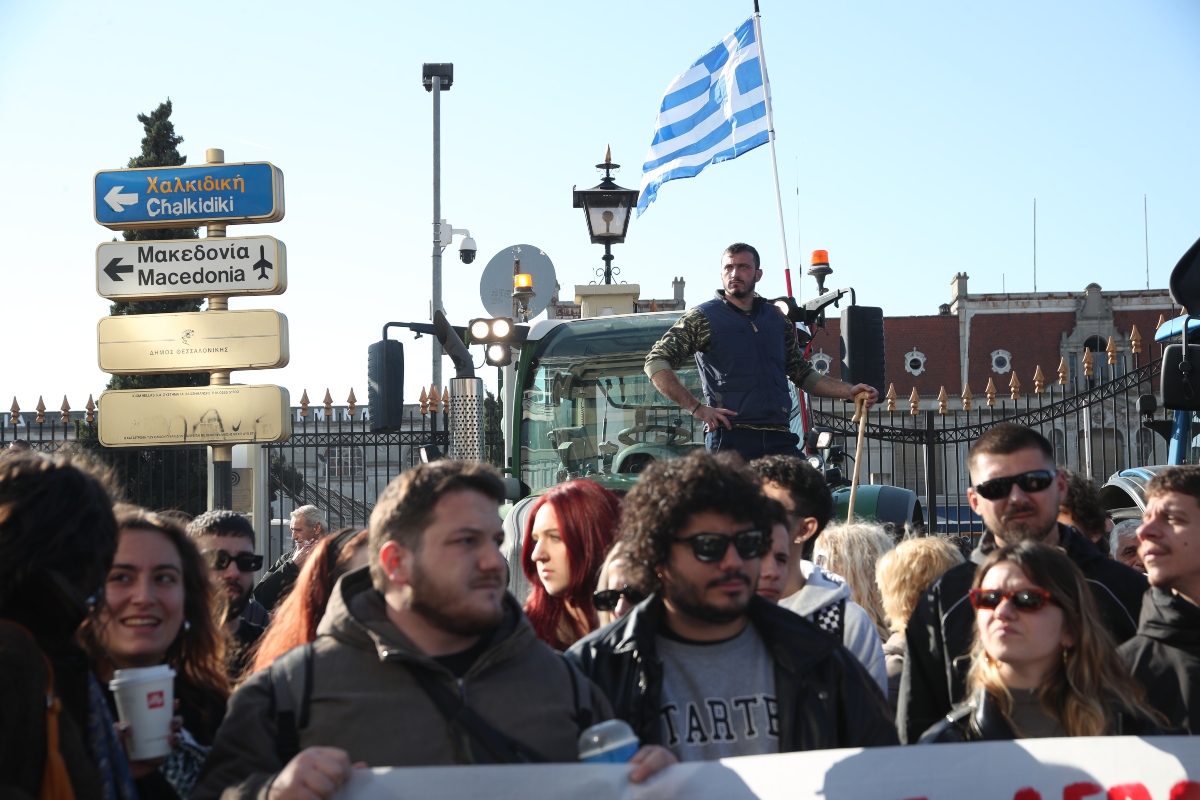
Port of Thessaloniki blocked
On Friday morning, producers from across Northern Greece blocked the Port of Thessaloniki, Greece’s second-largest port. According to police:
- more than 100 tractors and farm vehicles were involved,
- alongside over 1,000 farmers, livestock breeders, beekeepers and producers.
As a result, planned blockades in other regions were temporarily suspended.
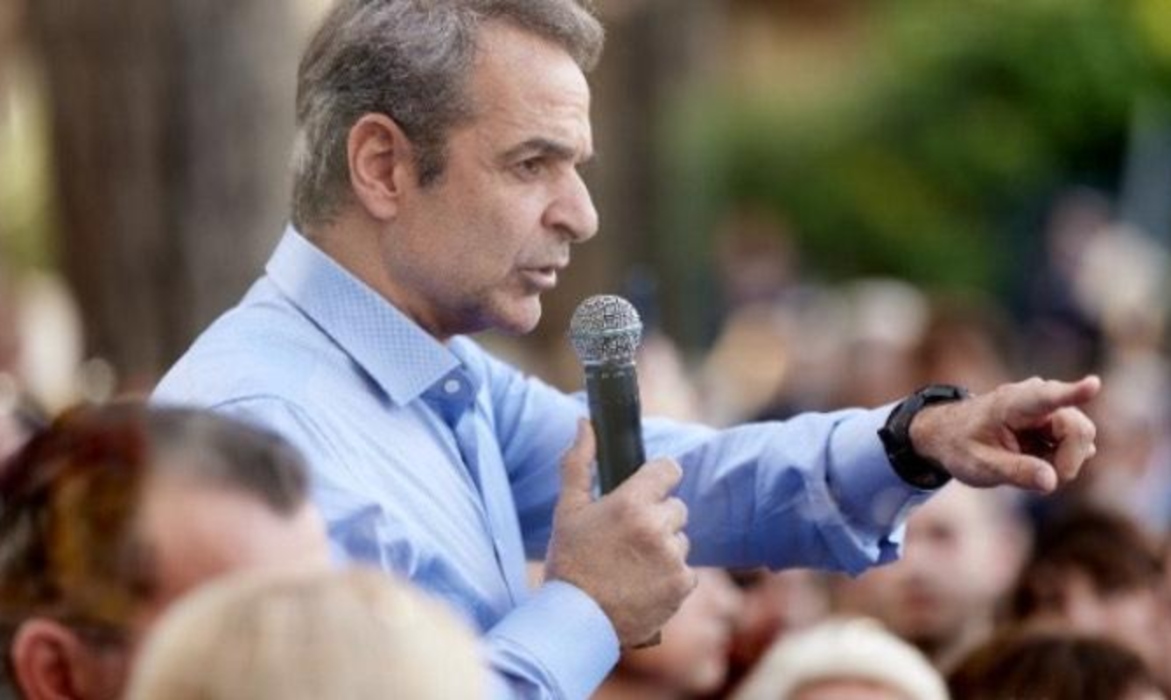
Mitsotakis: “I expect farmers at the Maximos Mansion on Monday at 17:00”
Prime Minister Kyriakos Mitsotakis issued a direct invitation, stating:
“I expect a delegation of farmers at my office on Monday at 17:00, provided that the meeting has a clear and specific agenda.”
The Prime Minister emphasised that:
- the primary sector received €3.8 billion in 2024, compared to €3.2 billion in 2023,
- payment delays linked to OPEKEPE reforms will be resolved in the coming weeks,
- and any remaining funds will be redistributed to farmers.
He also stressed: “Every form of protest must take society into account and must not endanger human life.”
The Nikaia assembly is expected to be a turning point for Greece’s agricultural movement. Whether farmers move toward dialogue or intensify their protests will depend not on the invitation itself, but on the substance of the government’s response.
Source: pagenews.gr