
The European Commission is preparing a sweeping intervention in one of the bloc’s most persistent economic and social crises: housing affordability. After years of relying on market forces and national policies, Brussels is now signalling a shift toward greater public intervention, including the possible relaxation of state-aid rules and fiscal constraints, as housing costs increasingly threaten labour mobility, social cohesion and long-term growth.
Housing moves to the heart of EU economic policy
Once treated as a domestic policy issue, housing is rapidly becoming a systemic concern for the European Union. Surging rents, record home prices and rising construction costs have pushed affordability to the top of the EU’s political agenda, forcing policymakers to reconsider long-standing fiscal and competition orthodoxies.
According to European Commission data, house prices across the EU have risen by more than 60% since 2017, while rents have increased by nearly 30% since 2010. Construction costs have climbed by as much as 48% over the same period, fuelled by energy prices, supply-chain disruptions and higher financing costs.
“We have reached a point where people with ordinary jobs and incomes can no longer afford to live in many European cities,” said Dan Jørgensen, the EU Commissioner for Energy and Housing.

A new European housing strategy
The Commission is expected to unveil its European Affordable Housing Plan in December, combining non-binding initiatives with legislative proposals aimed at boosting supply and curbing speculative pressures.
Key elements under discussion include:
- Loosening state-aid rules to allow governments to support public, social and cooperative housing more easily
- EU-level financing mechanisms to accelerate construction of affordable homes
- Stricter oversight of short-term rentals, with a dedicated legislative initiative planned by 2026
- Measures to address the financialisation of housing, as property increasingly attracts institutional and speculative capital
Current state-aid rules, Jørgensen acknowledged, are “too restrictive” to respond to the scale and urgency of the crisis. “If we do not look at investment, energy, social policy, the single market and state-aid rules together, we will not solve the problem,” he said.
Fiscal taboos under pressure
At the heart of the debate is whether public spending on affordable housing should be partially exempt from EU fiscal constraints—a move that would mark a significant shift in the bloc’s economic governance framework.
While the EU treaties limit state intervention that distorts competition, the Commission argues that housing shortages now pose a risk to economic development and market functioning, justifying greater flexibility.“Some may ask why the EU should be involved at all,” Jørgensen said. “But housing affects the single market. It affects where people can live and work.”
Southern Europe under strain
Countries such as Greece, Spain and Portugal are among the hardest hit. In Greece, home prices have risen by more than 60% since 2017, while social housing supply remains among the lowest in the EU. Athens and Thessaloniki face mounting pressure from short-term rental platforms, further squeezing long-term availability.
Across the bloc, a survey of 86 mayors in 26 countries found that 39% now consider housing unaffordable, with rents or mortgage payments exceeding one-third of household income—the internationally recognised sustainability threshold.
Political and demographic consequences
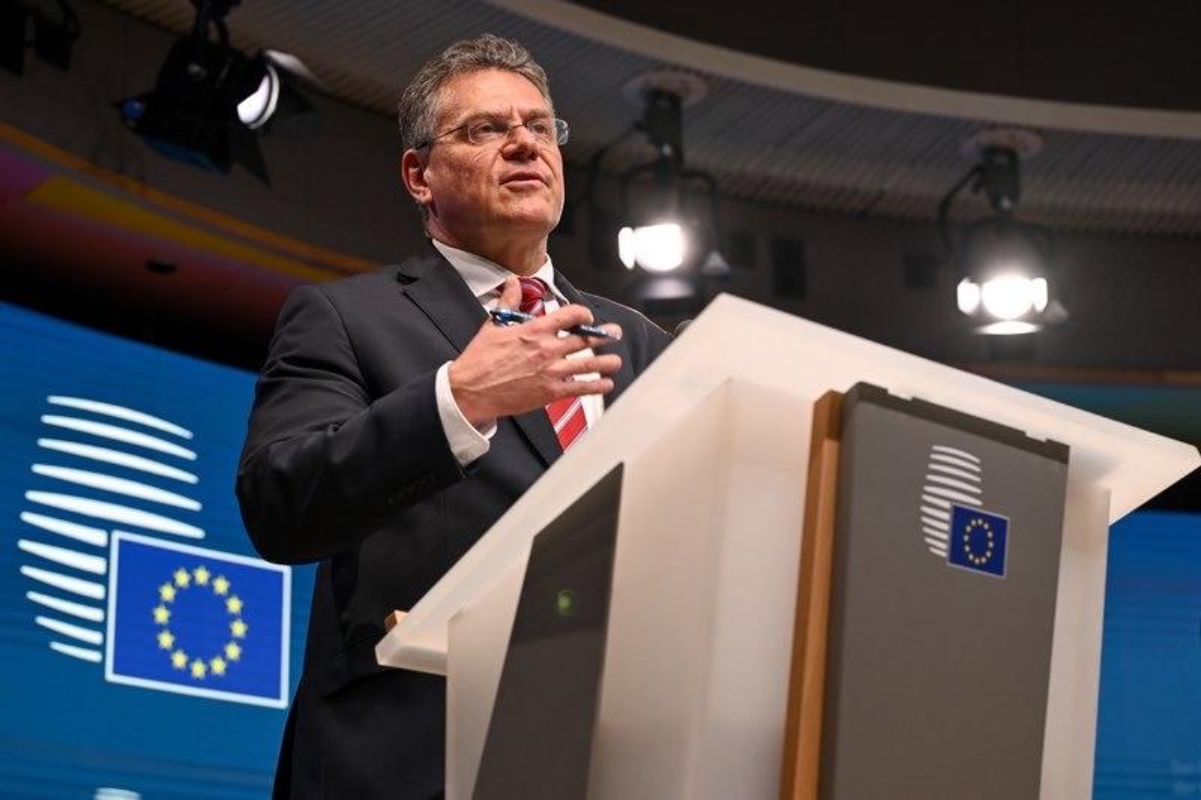
The housing squeeze is increasingly seen as a drag on Europe’s demographic and economic prospects, particularly for younger generations. Maroš Šefčovič, the Commission’s economy chief, has described housing as “one of the biggest obstacles for young people who want to start a family”.
Public anger has already spilled onto the streets, with protests in cities including Lisbon, Barcelona and Copenhagen, underscoring the political risks of inaction.
Market failure or market correction?
While Brussels is careful not to frame the issue as an attack on private investment, officials acknowledge that unchecked speculation has distorted outcomes.
“There is a lot of speculation, and housing is increasingly treated as a commodity,” Jørgensen said. “I don’t mind people making money—but we must recognise that this does not always deliver the best outcome for society.”
The stakes
If successful, the Commission’s strategy could redefine the EU’s approach to housing, opening the door to greater public investment and regulatory oversight. Failure, however, risks entrenching a crisis that is already reshaping Europe’s cities—and undermining the bloc’s economic and social foundations.
Housing, once a local issue, is now firmly a European one.
Source: pagenews.gr