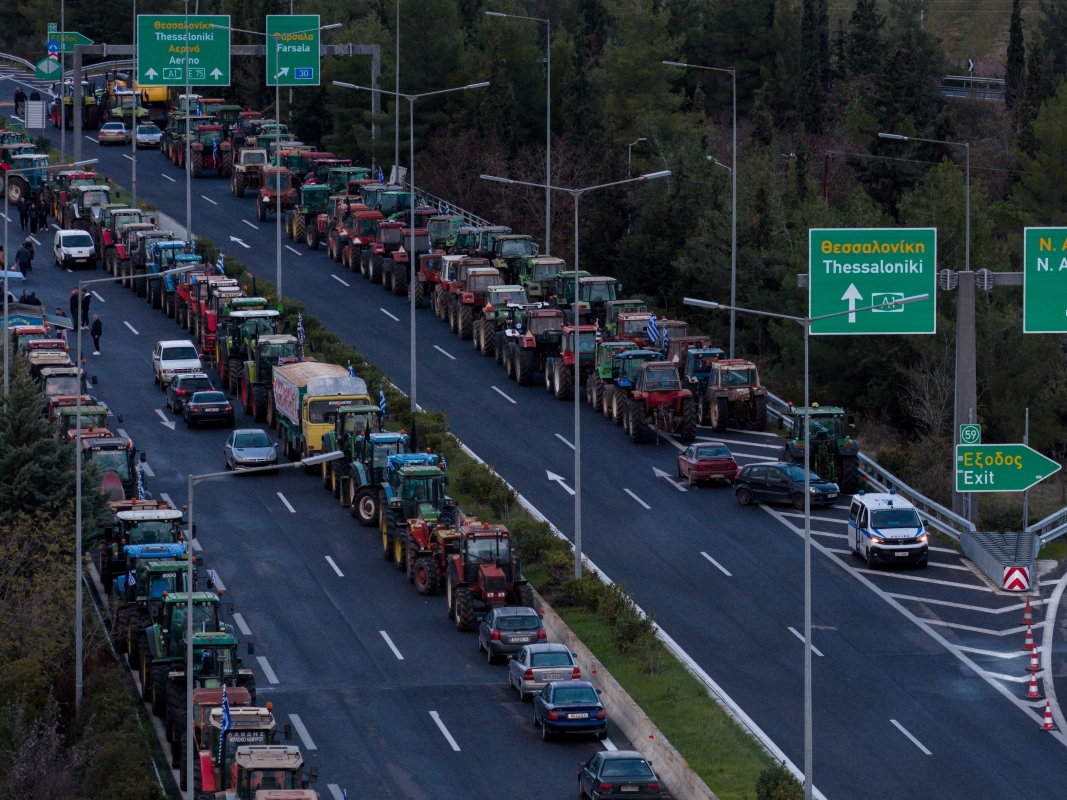
Rural anger is boiling over. Blockades meet nationwide, the government counts shrinking fiscal room, and the prime minister is urged to step in before the crisis passes the point of no return. Without clear answers, confrontation will deepen—and everyone will pay the price.
Political analysis from the fields
Today and tomorrow, Tuesday and Wednesday, meetings at blockades across Greece are not merely about tactics. They are about the future of agricultural policy. The mood is unforgiving. Farmers see production costs soaring, compensations delayed, and announcements recycled without substance.
Agriculture Minister Kostas Tsiaras opened a “window” for dialogue, acknowledging that some demands are fair, reflecting the squeeze on primary production from inflation, global turmoil, and the climate crisis. But carefully chosen words are no longer enough.

Farmers want concrete measures.
- Cheaper and stable agricultural electricity
- A clear solution on diesel at the pump
- Immediate ELGA reform, with 100% compensation of insured losses
- Full and timely payment of subsidies and compensations
Here lies the real clash: full ELGA coverage means a heavy burden on the state budget, at a time of tight fiscal margins. The government knows it. Farmers answer bluntly: without production, there is no economy.
Mitsotakis or escalation
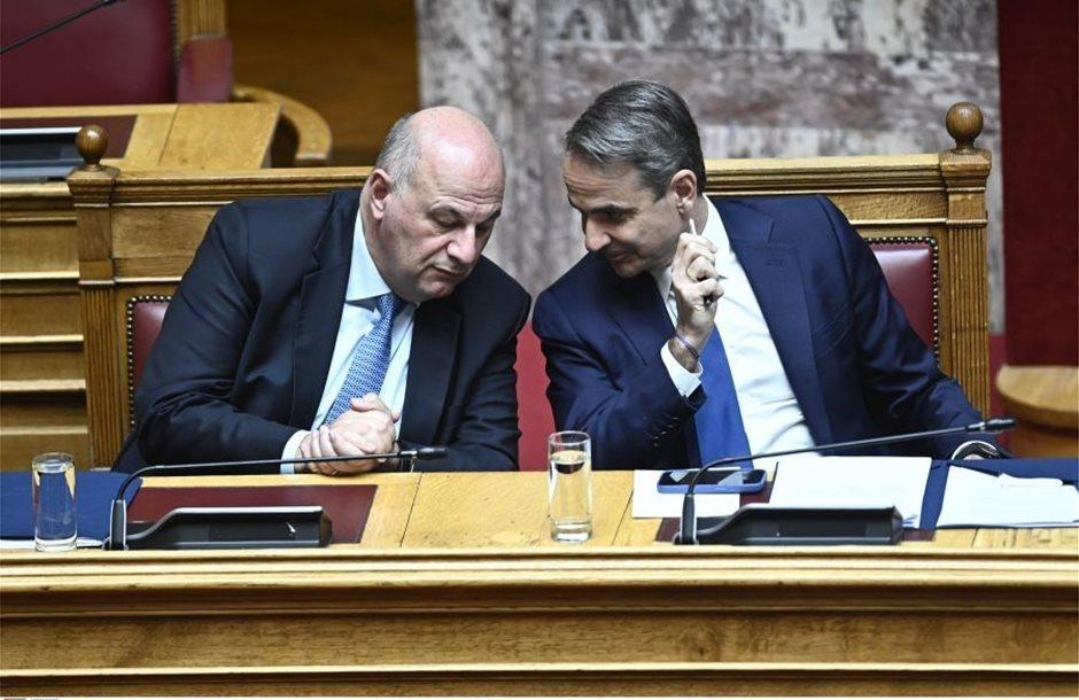
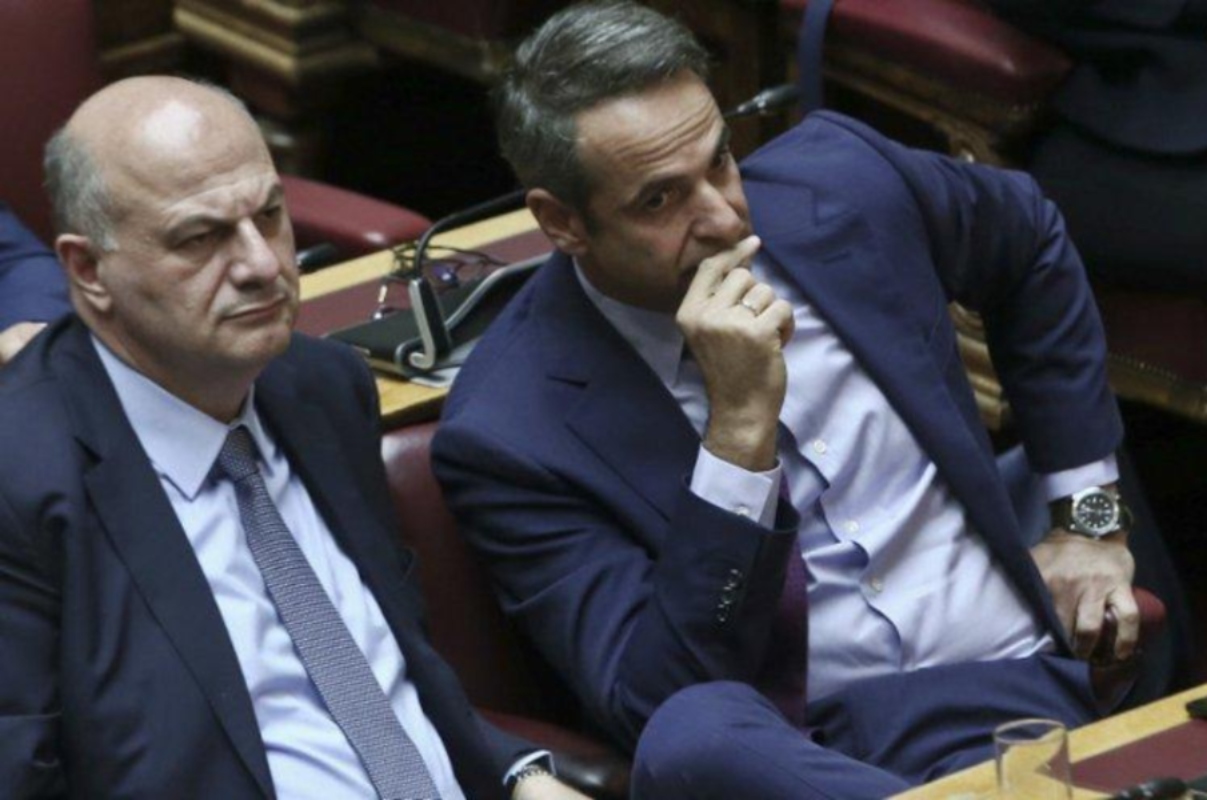
Several blockades openly question whether the agriculture minister can deliver on energy and fuel policy. The message is direct: a meeting with Kyriakos Mitsotakis—or no de-escalation.
The only realistic window before Christmas is Friday, Saturday or Sunday. Not for optics. Only if commitments are clear and timelines binding.

default
Payments, OPEKEPE and growing distrust
Officials speak of normalized payments. On the ground, thousands of farmers see reduced amounts—or nothing at all, fallout from the OPEKEPE scandal, for which the vast majority carry no responsibility.
The planned transfer of OPEKEPE to the Independent Authority for Public Revenue (AADE) raises serious concerns: will the new system have the technical capacity, or will delays deepen? Farmers fear a rushed transition under political pressure, without safeguards for uninterrupted payments.
What cannot be delivered
Demands such as minimum guaranteed prices cannot be implemented within EU rules and the framework of the Common Agricultural Policy (CAP). Subsidies and guaranteed prices do not coexist under current conditions. This is a structural constraint, not a political choice.
Blockades, courts and closed borders
The postponement of the trial of two farmers to 2026, renewed closures at the Promachonas border crossing, and kilometers-long queues of trucks underline that this is no longer just an agricultural dispute. It is economic, social and political.
Greek agricultural policy cannot absorb further ambiguity. Either the government presents a clearly costed package with firm deadlines, or the blockades will remain—and the crisis will spill into the holiday season.
Farmers are not asking for miracles. They are asking to produce, to be paid and to survive.This time, they appear ready to hold the line.
Source: pagenews.gr