


Politico Focuses on Turkey, Cyprus & Greece – Alliances or Deadlocks?
 ΧΡΟΝΟΣ ΑΝΑΓΝΩΣΗΣ 3 '
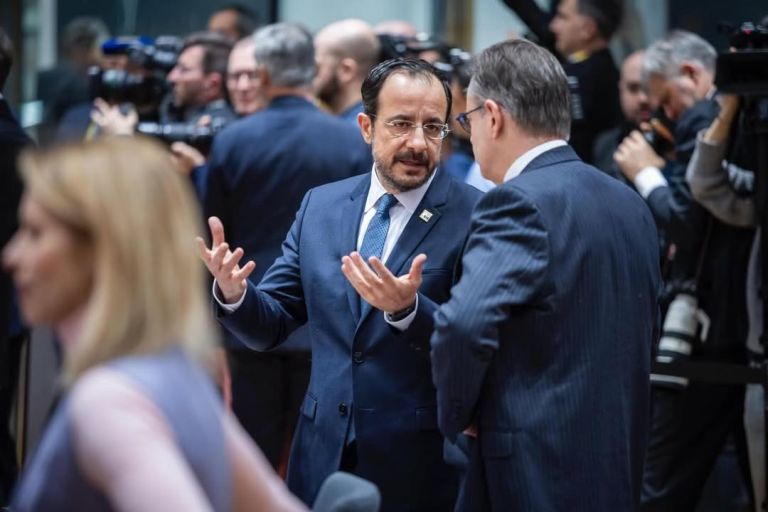
Πηγή Φωτογραφίας: International pressure mounts over Cyprus’ EU Council Presidency, the Turkish “thorn,” and strategic partnerships between Athens, Nicosia, and Brussels.



In recent days, Politico, citing statements from NATO and EU diplomats, has turned the spotlight on political and strategic relations in the Eastern Mediterranean, particularly ahead of Cyprus’ upcoming EU Council Presidency starting January 1, 2026 — a period when defense and European strategic priorities are at the forefront.
Concerns from Allies About Cyprus & Turkey
The report highlights that senior NATO and EU officials are “deeply concerned” about how the complex relations between Cyprus and Turkey may affect Nicosia’s ability to lead the EU defense agenda. Cyprus has long-standing tensions with Turkey and — in coordination with Greece — has refused to open the path for closer EU–Ankara military cooperation, even when pressed by European policy circles.
Diplomats emphasize that hostile stances towards Turkey and the traditional Nicosia–Athens position could hinder EU unity and undermine broader defense initiatives, especially at a time when the Russian threat and the Ukraine conflict have pushed security to the top of the European agenda.
Cyprus’ Perspective
The Politico report also includes statements from Cyprus President Nikos Christodoulides, highlighting that Cyprus aims to advance a de-escalation plan with Turkey, particularly through participation in NATO’s Partnership for Peace (PfP) program, seen as a first step toward closer cooperation in the Euro-Atlantic framework.
President Christodoulides emphasizes that if Ankara accepts steps for Cyprus’ inclusion in PfP, it could pave the way for gradual rapprochement with Turkey, even in EU–NATO matters, where Cyprus’ non-member NATO status has historically been an obstacle.
Diplomatic Deadlock or Strategic Rivalry?
Politico warns that the hostility between Cyprus and Turkey could create a deadlock in enhancing European defense and broader strategic cohesion. Turkey has raised objections to participating in EU initiatives such as SAFE (Security Action for Europe), while Ankara’s reluctance to share sensitive information with the European Defense Agency complicates collaboration.
NATO officials stress the need for unity in facing security challenges, particularly given Russian aggression, pointing out that opportunistic exclusionary stances harm European strategic coherence. Meanwhile, Turkish officials warn that Cyprus’ presidency could lead to a “stuck” EU–NATO dialogue, especially regarding relations with Ankara.
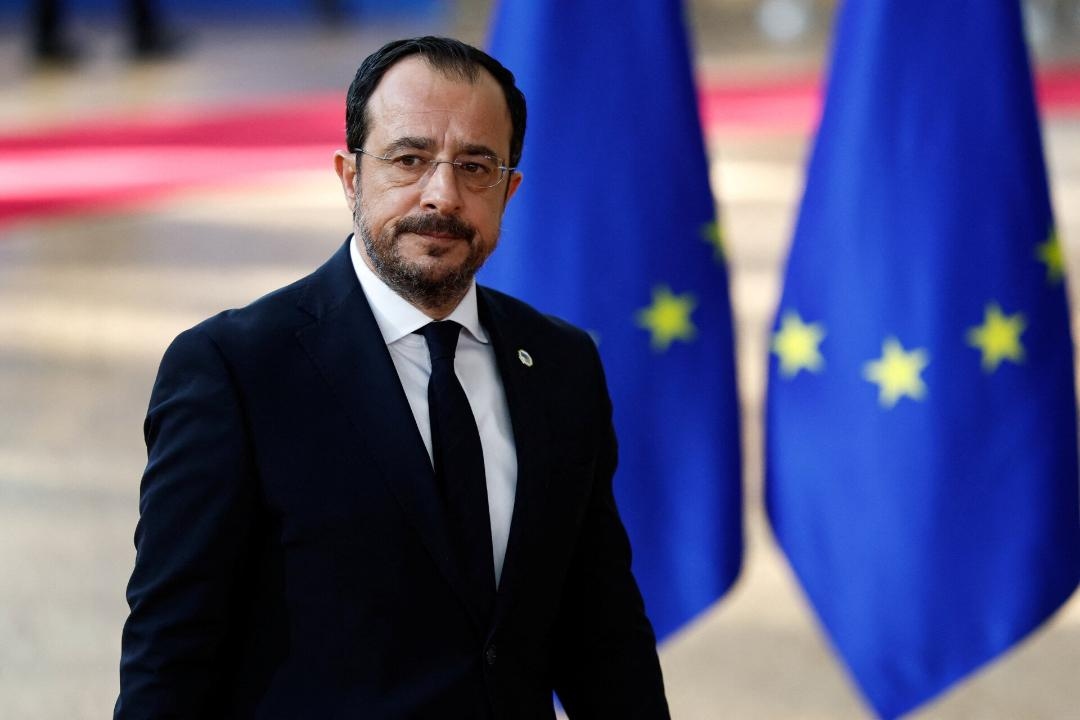
Big Picture
The Politico article maps a geostrategically complex landscape filled with contradictions and challenges. On one side, Nicosia and Athens seek strategic partnerships and alignment with European and Atlantic defense centers. On the other, the complicated relationship with Turkey and historic mistrust creates friction within Brussels and NATO.
This tension comes at a critical moment as Cyprus assumes the EU Council Presidency, coinciding with security challenges in the Eastern Mediterranean and a geostrategic reshuffling that could redefine European alliances and priorities.
- Politico highlights tensions surrounding Cyprus’ presidency and its relationship with Turkey.
- NATO and EU concerns reflect fears of fragmented strategic unity within the Euro-Atlantic alliance.
- Nicosia maintains that its goal is a positive approach to Turkey, despite difficulties.
Διαβάστε όλες τις τελευταίες Ειδήσεις από την Ελλάδα και τον Κόσμο






Το σχόλιο σας