


Shock! Greece’s Supreme Court declares “war” on farmer blockades—zero tolerance and on-the-spot arrests!
 ΧΡΟΝΟΣ ΑΝΑΓΝΩΣΗΣ 3 '
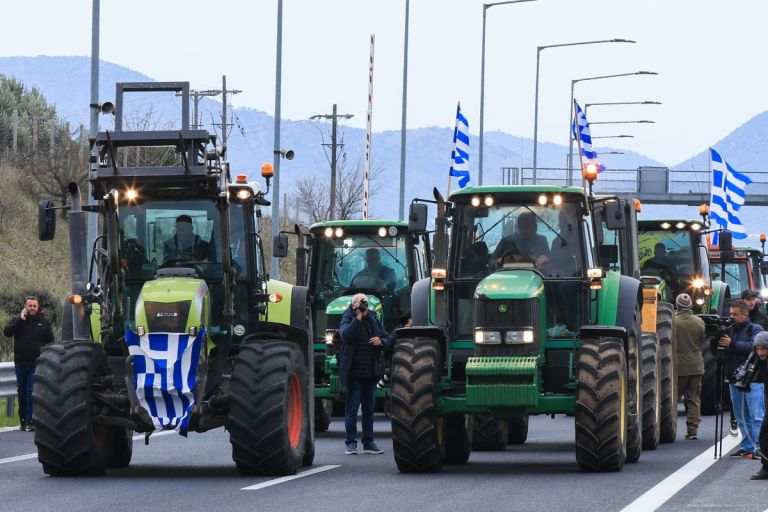
Πηγή Φωτογραφίας: eurokinissi//Shock! Greece’s Supreme Court declares “war” on farmer blockades—zero tolerance and on-the-spot arrests!



The backstage story politicians don’t want you to seeIn an unprecedented move that resembles political suppression more than judicial action, Greece’s Supreme Court Prosecutor, Konstantinos Tzavellas, issued a new urgent order to all district and appeals court prosecutors, demanding immediate action against farmer road blockades.
This is not a mere reminder — it is a clear directive to automatically enforce the previous instructions: record criminal offenses like traffic obstruction and road code violations, identify participants, and initiate criminal prosecutions and arrests, including via on-the-spot procedures.
What the “order” actually demands
- Immediate intervention by prosecutors against the blockades
- Collaboration with police forces to document offenses
- Identify participants & execute on-the-spot arrests
- Referral to the courts via either immediate or regular procedures
- Across the country for any blockade of public or national roads
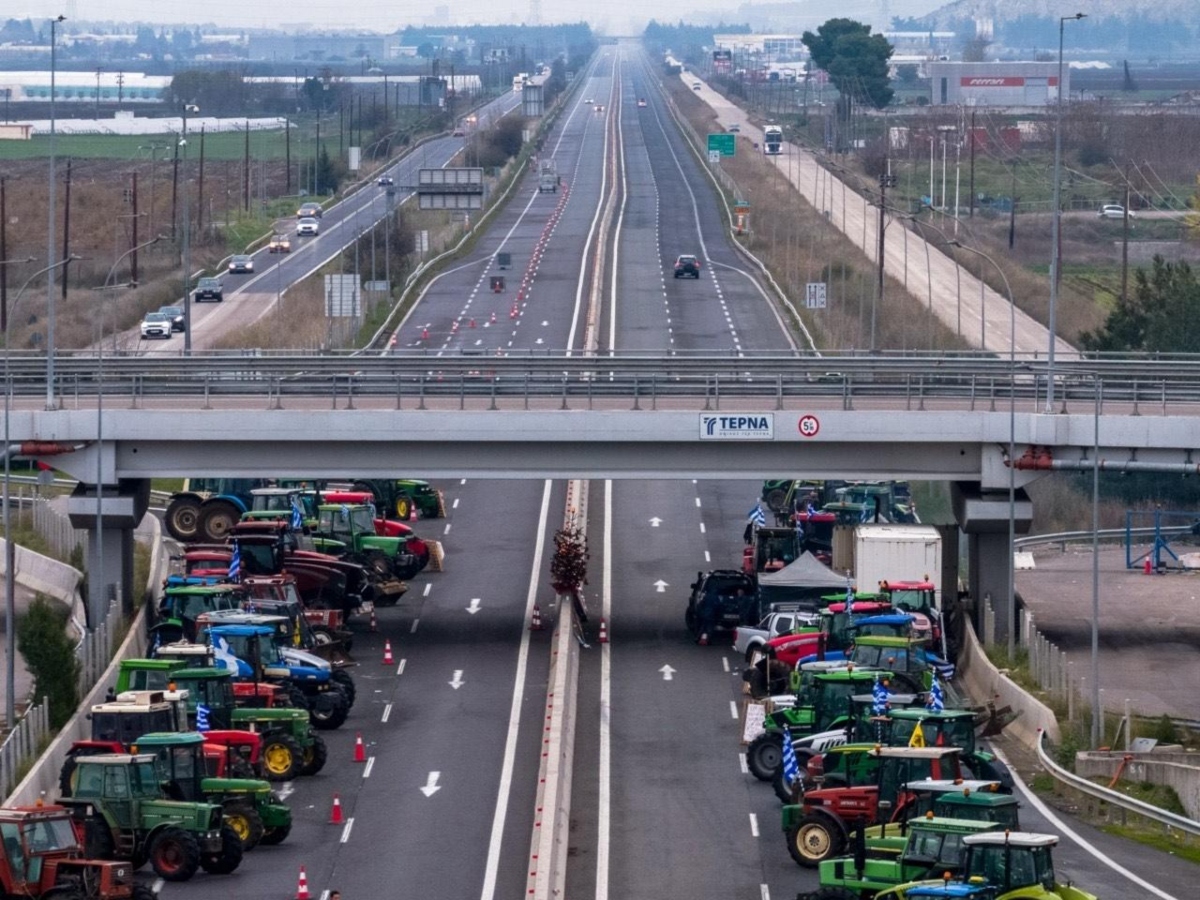
The political angle they won’t tell you
- Timing is key. The directive comes just as farmers intensify their mobilizations, blocking major roads and creating nationwide transport disruptions.
- The government has already announced “conciliatory” measures, like cheaper fuel for farmers and limited financial support, but these fall short of the farmers’ demands—so protests continue.
- Commentators have sharply noted that the move raises suspicions of a joint front between the government and the judiciary against demonstrators, prioritizing suppression over dialogue.
Implications for the market and politics
- Farmers under pressure: With rapid prosecutions and arrests, protests may escalate, creating new social tensions.
- Businesses and transport chains affected: National road blockages disrupt supply chains.
- Political cost for the government: A hardline approach risks alienating not only farmers but also broader social groups, viewing this as judicial repression instead of political resolution.
Bottom line
The new Supreme Court directive isn’t just legal, it’s deeply political. Efforts to “break” the blockades through on-the-spot arrests and immediate prosecutions frame these mobilizations as a public order problem, not as a legitimate social demand.
As noted heavily on social media, this has much broader implications for the right to protest and the health of democracy itself.
Source: pagenews.gr
Διαβάστε όλες τις τελευταίες Ειδήσεις από την Ελλάδα και τον Κόσμο






Το σχόλιο σας