


Mitsotakis Meets Erdogan: Greece Stands Firm Amid NAVTEX Tensions and Strategic Maneuvers
 ΧΡΟΝΟΣ ΑΝΑΓΝΩΣΗΣ 3 '
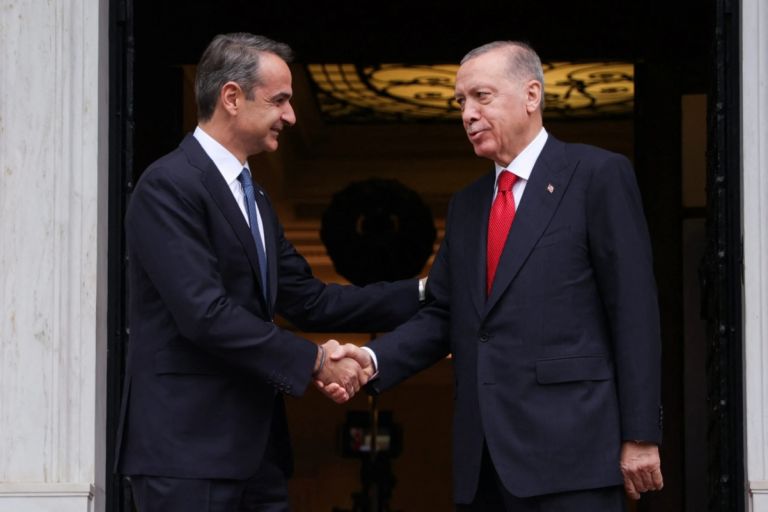
Πηγή Φωτογραφίας: eurokinissi//Mitsotakis Meets Erdogan: Greece Stands Firm Amid NAVTEX Tensions and Strategic Maneuvers



The Greek-Turkish agenda is back in the spotlight, as Turkey continues its provocative diplomacy through NAVTEX announcements directly challenging Greek sovereignty and territorial rights in the Aegean and Eastern Mediterranean. The forthcoming meeting between Prime Minister Kyriakos Mitsotakis and President Recep Tayyip Erdogan, scheduled before February 15, has a clear objective: reopening communication channels and avoiding dangerous escalations, without raising expectations for breakthroughs on major issues such as EEZ delimitation.
Turkey seeks to exploit regional instability, while simultaneously facing barriers in its trade ambitions due to EU agreements with India and Mercosur. Greece’s strategic response is twofold: maintain diplomatic composure while simultaneously strengthening deterrent capabilities through strategic alliances.
Geopolitically, the Greece–Cyprus–Israel trilateral cooperation and the deepening of ties with France serve as critical tools in Athens’ diplomatic arsenal. Greece leverages Israel’s strong access to the U.S. power structure, enhancing deterrence and reinforcing its position against Turkish revisionist ambitions.
Parapolitically, the Mitsotakis-Erdogan meeting signals strength and readiness from the Greek side, showing that Athens will not yield to Turkish claims. The Prime Minister has made it clear that relations with Turkey are autonomous and do not require mediators, underlining the government’s firm stance.
Turkey continues to exploit the NAVTEX system, issuing statements without expiration dates regarding its so-called “Turkish continental shelf,” the alleged demilitarization of islands, and the extension of its zone of responsibility. However, as Mitsotakis emphasized, Greece does not recognize the legal validity of these actions, while remaining open to dialogue under terms that respect international law.
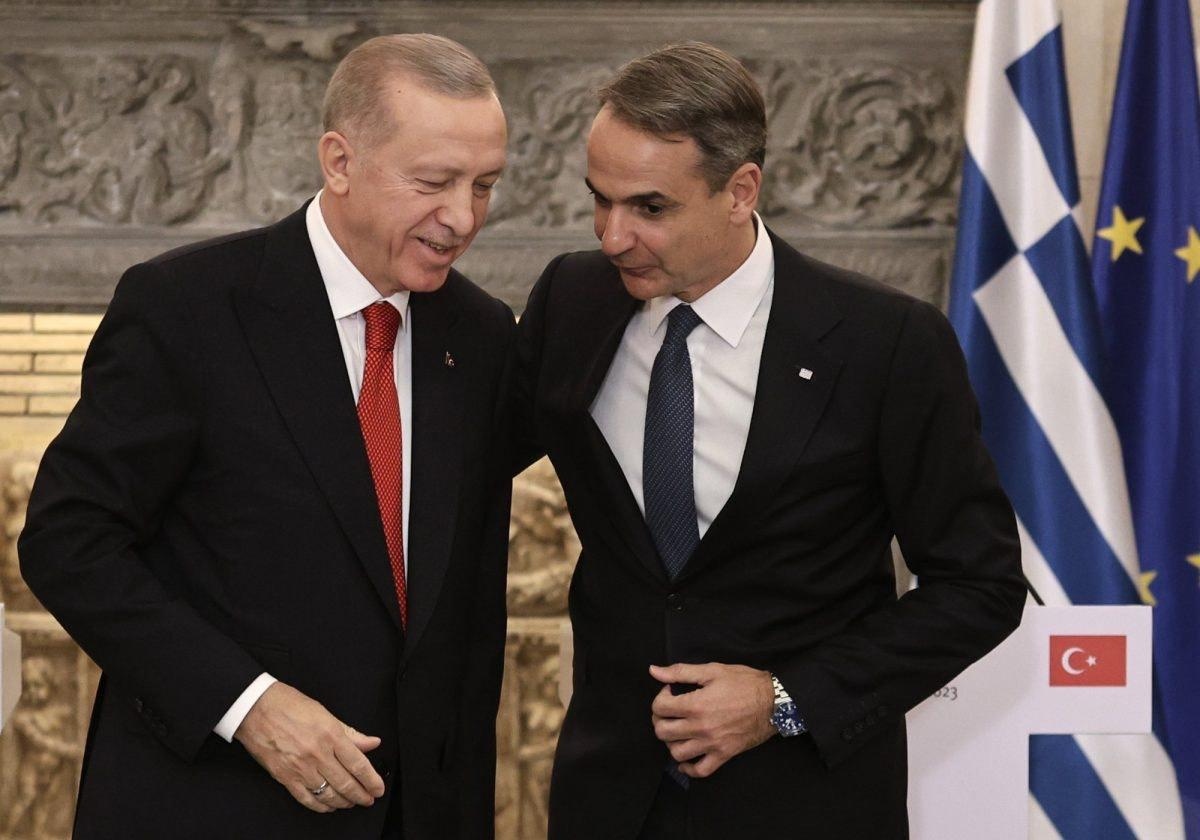
Greece’s diplomatic strategy also leverages the renewal of the Defense Agreement with France and the procurement of advanced military systems, such as Rafale jets and the frigate Kimon, strengthening the strategic balance in the Aegean and Eastern Mediterranean. Turkey is acutely aware of Greece’s new capabilities, limiting its room for high-risk unilateral moves.
The coming week will test the level of communication and stability in the region, with indications suggesting that Athens favors pragmatism and stability in the face of Turkish assertiveness, while safeguarding its geopolitical interests and maintaining robust alliances. The Mitsotakis-Erdogan meeting is therefore a critical moment for Greek diplomacy, with important parapolitical implications, as it will shape Greece’s strategic position in the Aegean, the Eastern Mediterranean, and beyond.
Source: pagenews.gr
Διαβάστε όλες τις τελευταίες Ειδήσεις από την Ελλάδα και τον Κόσμο







Το σχόλιο σας