


“VERTICAL GAS CORRIDOR: LNG Deals and Transatlantic Unity Reshape Europe’s Energy Landscape”
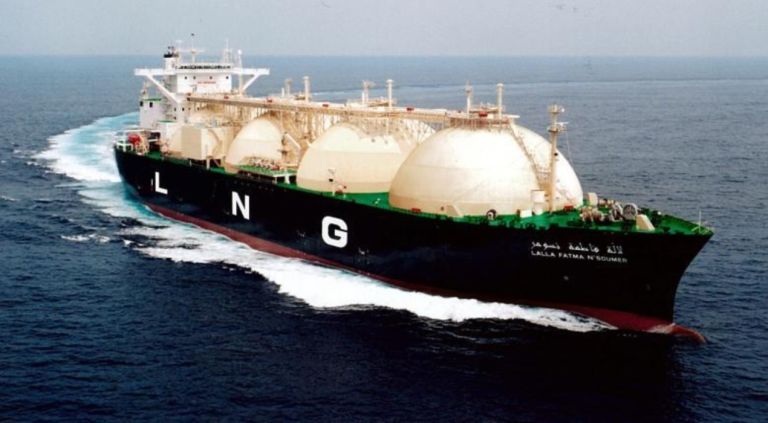
Πηγή Φωτογραφίας: AP Photo//“VERTICAL GAS CORRIDOR: LNG Deals and Transatlantic Unity Reshape Europe’s Energy Landscape”



In a critical geopolitical and energy pivot for Europe, the Transatlantic Gas Security Summit held in Washington, D.C. brought together ministers, diplomats, and energy executives from more than a dozen countries. The summit marked a new era of transatlantic cooperation around liquefied natural gas (LNG) and the Vertical Gas Corridor.
The summit focused on ensuring energy security in Central and Eastern Europe through enhanced LNG flows, reducing dependency on Russian gas by 2027, and reconfiguring European energy networks.
New LNG Deals Fuel the Vertical Gas Corridor
During the summit, the Atlantic SEE LNG Trade consortium — including AKTOR Group and DEPA Commerce — signed several long-term agreements with at least four countries along the Vertical Gas Corridor, marking the first major commercial activation of LNG flows between Southeastern and Central Europe.
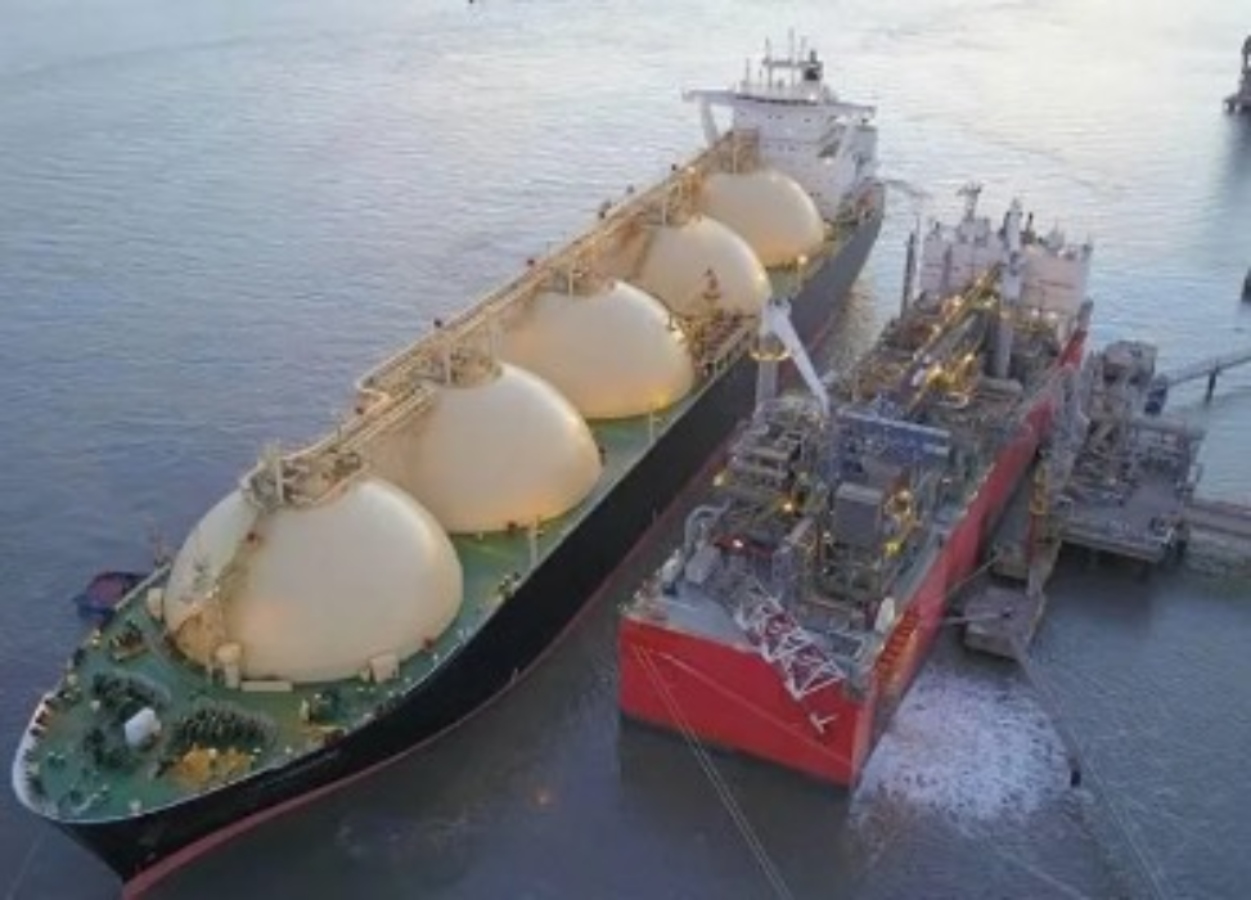
Simultaneously, Shell and METLEN signed a strategic MoU to supply and trade LNG, delivering 0.5–1 bcm/year from 2027 to 2031, using Greek terminals in Revythoussa and Alexandroupolis, with access to broader European markets via the Vertical Gas Corridor.
Although non-binding, these MoUs act as a catalyst for potential binding contracts that will support practical LNG flows northward while strengthening European negotiating power against energy pressures.
Transatlantic Framework and Political Significance
A joint declaration by 13 countries committed to strengthening natural gas supply security in Central and Eastern Europe, emphasizing:
- Enhanced energy resilience through infrastructure upgrades and new investments,
- Transparent, harmonized regulatory and pricing frameworks,
- Removal of regulatory barriers affecting imports, infrastructure, and market stability,
- Cooperation at regulatory, commercial, and financial levels to ensure sustainable market integration.
Within this framework, Greece emerges as a critical energy hub, leveraging geography and diplomacy to connect Europe with LNG sources from the U.S. and other producers.
Reading the Political Reality
This development is not merely an energy milestone; it represents a transatlantic strategic response to geopolitical pressures following the reduction of Russian gas in Europe after 2022. Europe has reduced imports from Russia from over 40% before the Ukraine war to much lower levels, increasingly relying on U.S. LNG for its energy needs.
The participation of energy ministers from Greece, Bulgaria, Romania, Hungary, Slovakia, Moldova, and Ukraine indicates that energy diversification, once seen as a future goal, is now an immediate priority.
Challenges and Next Steps
Despite broad consensus, analysts note that the transition from MoUs to binding commercial contracts will determine the real impact on the market. Key next steps include:
- Securing long-term capacity commitments,
- Resolving regulatory obstacles,
- Developing investment mechanisms to ensure the sustainability of Europe’s energy transition.
If these steps succeed, the Vertical Gas Corridor will become not only a technical energy artery but also a strategic geopolitical tool shaping European energy security for years to come.
Source: pagenews.gr
Διαβάστε όλες τις τελευταίες Ειδήσεις από την Ελλάδα και τον Κόσμο






Το σχόλιο σας