


ERDOĞAN STRIKES AGAIN: Provocative UN Letter Challenges Greece, Cyprus, Egypt
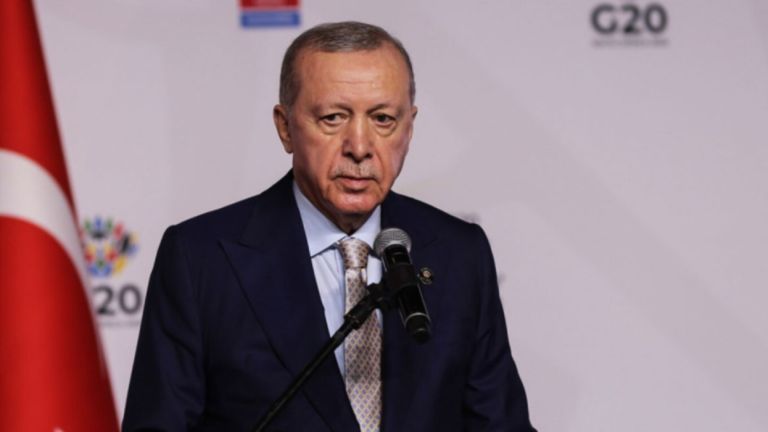
Πηγή Φωτογραφίας: AP Photo//ERDOĞAN STRIKES AGAIN: Provocative UN Letter Challenges Greece, Cyprus, Egypt



In a move that disrupts hopes for de-escalation in Greek-Turkish relations, Turkey sent a strongly worded letter to the UN on February 16, 2026, targeting Greece, Cyprus, and Egypt, while asserting its maritime claims in the Aegean and Eastern Mediterranean.
This comes just five days after a seemingly “calm” meeting between Turkish President Recep Tayyip Erdoğan and Greek Prime Minister Kyriakos Mitsotakis in Ankara, demonstrating that the appearance of thawed relations was short-lived.
Signed by Turkey’s Permanent Representative to the UN, Ahmet Yildiz, the letter defends the 2019 Turkey-Libya agreement on maritime zones—a deal repeatedly condemned by Greece, Cyprus, Egypt, and the EU as illegal and unfounded.
It also attacks the Greece–Egypt maritime delimitation deal (2020) as allegedly “illegal” and claims that Greek and Cypriot actions violate Turkey’s sovereign rights. Additionally, Ankara questions the full effect of Greek islands in defining maritime zones, advocating that islands beyond the median line should be ignored or considered to have limited effect.
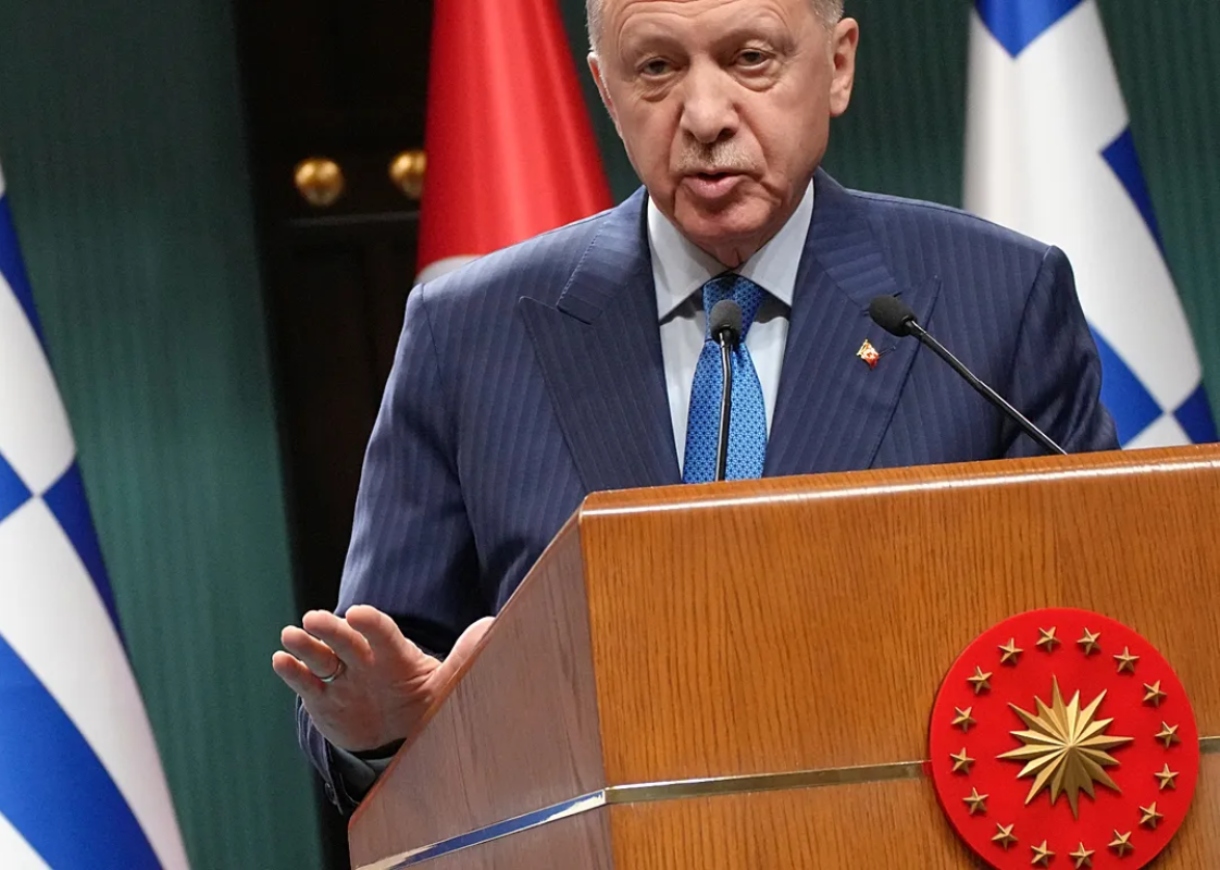
Key Points of Erdoğan’s UN Letter
- Reasserts Turkey-Libya 2019 deal as a basis for maritime claims.
- Accuses Greece, Cyprus, and Egypt of “illegal” actions and selective interpretation of the Law of the Sea.
- Challenges full effect of Greek islands in maritime delimitation.
- Criticizes Greece-Chevron agreement on hydrocarbon exploration.
Greece’s Response
Greek diplomatic sources describe the letter as expected but unacceptable, emphasizing that Turkey must align with internationally recognized Law of the Sea standards to ensure stability and good neighborly relations in the region.
The Greek position reiterates that, under UNCLOS, islands possess full rights to territorial seas, continental shelf, and EEZs, just like mainland coasts, particularly when there are adjacent or opposite states.
Geopolitical Implications
Erdoğan’s letter, by reviving the “Blue Homeland” doctrine and the Turkey-Libya maritime memorandum, does more than a simple diplomatic gesture. It signals:
- Potential renewed tensions in energy cooperation and maritime delimitation.
- Challenges to Eastern Mediterranean stability.
- Pressure on legal frameworks governing maritime claims.
The move underscores that diplomatic appearances are fragile and that the region’s energy and security architecture could face heightened volatility in the coming months.
Source: pagenews.gr








Το σχόλιο σας