


Energy Shock Warning in Europe: “We Have the Tools — But Not Yet the Trigger,” Says Eurogroup Chief
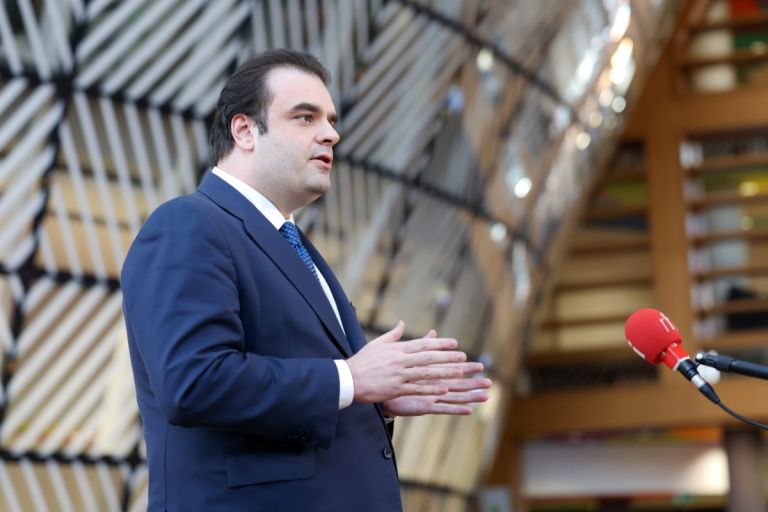
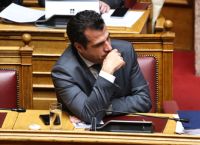
Πηγή Φωτογραφίας: (POOL PHOTO/ΕΥΡΩΠΑΪΚΗ ΕΝΩΣΗ/EUROKINISSI)//Energy Shock Warning in Europe: “We Have the Tools — But Not Yet the Trigger,” Says Eurogroup Chief



Europe on alert for a new energy and economic shock
Europe’s economic leadership is preparing for the possibility of a new energy-driven financial shock, as geopolitical tensions and conflict in the Middle East send tremors through global energy markets.
Speaking after a meeting of eurozone finance ministers in Brussels, Eurogroup President and Greek Finance Minister Kyriakos Pierrakakis said Europe is monitoring developments closely and has the capacity to intervene if the situation deteriorates.
“We have the tools and the political will to react,” he said, but stressed that the situation has not yet reached the point where emergency mechanisms must be activated.
His comments come as oil prices surge above key thresholds and analysts warn that prolonged geopolitical instability could push energy costs even higher.

The Eurogroup’s core concern: energy and inflation
Energy markets dominated discussions among eurozone finance ministers.
According to Pierrakakis, rising energy prices linked to geopolitical instability are already exerting upward pressure on inflation and economic expectations.
“Energy is at the centre of our attention,” he said, adding that instability in the Middle East and the ongoing war in Ukraine highlight the vulnerability of global energy markets and European economies to external shocks.
The Eurogroup is therefore tracking several key risk channels:
- Oil and natural gas price spikes
- Supply disruptions in shipping and energy transport routes
- Inflationary spillovers across the eurozone economy
- Pressure on household purchasing power and industrial costs
In a separate interview, Pierrakakis described the situation as “deeply uncertain and problematic,” warning that markets are already reacting strongly to geopolitical developments.
The “2022 toolbox”: Europe’s emergency economic playbook
One of the most significant points raised by Pierrakakis concerns the policy toolkit developed during the 2022 energy crisis, following Russia’s invasion of Ukraine.
According to the Eurogroup president, these instruments remain available if the crisis escalates.
The so-called “2022 toolbox” includes:
- targeted subsidies for households and vulnerable consumers
- state aid frameworks to support energy-intensive industries
- coordinated price-containment measures
- emergency liquidity support for energy companies
“We are open to discussing measures depending on how the crisis evolves,” he said, emphasizing that protecting households and businesses is a priority.
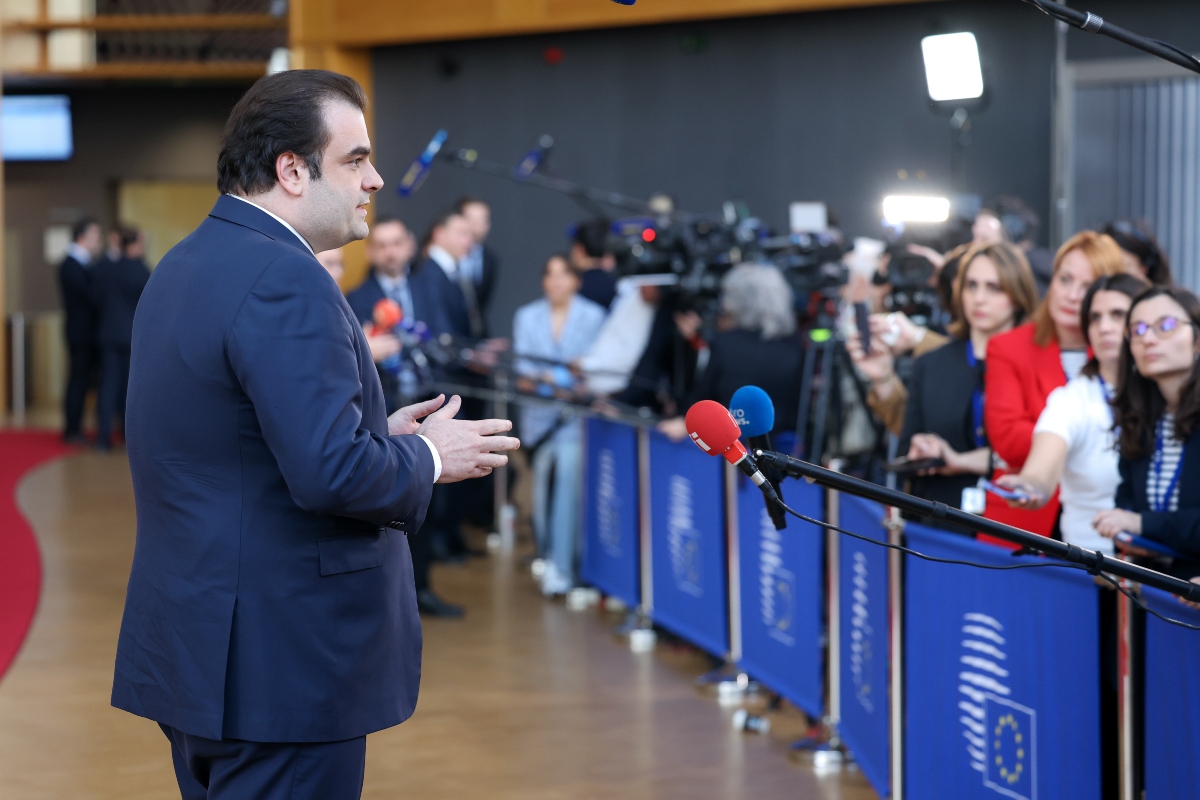
For now, however, European leaders prefer monitoring rather than immediate intervention.
The geopolitical trigger: Middle East instability
The immediate catalyst for market anxiety is the rapid escalation of tensions in the Middle East, which has already begun affecting oil supply expectations and shipping routes.
Energy markets are particularly sensitive to developments around the Strait of Hormuz, a critical corridor for global oil flows.
Pierrakakis acknowledged that the economic impact could spread far beyond energy prices, affecting:
- fertilizer costs
- air transport prices
- financial conditions and credit markets.
Economists warn that sustained disruption could generate a second inflation wave in Europe, just as inflation had begun stabilizing.
A deeper structural issue: Europe’s energy architecture
Beyond the immediate crisis, the Eurogroup used the meeting to address long-term structural vulnerabilities in Europe’s energy system.
Pierrakakis stressed that energy infrastructure and policy must evolve beyond crisis management.
Key priorities discussed include:
- accelerating the energy transition
- strengthening European electricity and gas interconnections
- expanding energy infrastructure investment
- building greater energy security and autonomy.
He also raised the strategic concept of a single European energy market, arguing that removing barriers between national systems could significantly strengthen Europe’s economic resilience.
Financial markets watching closely
Global financial markets are already reacting to the risk of an energy shock.
Oil prices have surged amid fears of supply disruption, while investors are reassessing the outlook for:
- inflation trajectories
- central bank interest rates
- European economic growth.
The Eurogroup’s message is therefore one of cautious readiness: Europe has tools, coordination mechanisms and fiscal flexibility — but leaders want to avoid premature intervention.
The broader geoeconomic challenge
The crisis highlights a larger strategic question for Europe’s economic future.
Pierrakakis argued that Europe must move beyond reactive crisis management and focus on strengthening its long-term economic autonomy and competitiveness.
“Crises do not change our objective,” he said. “They accelerate the need to achieve it.”
That objective includes energy security, stronger capital markets, and deeper financial integration across the European Union.
Source: pagenews.gr
Διαβάστε όλες τις τελευταίες Ειδήσεις από την Ελλάδα και τον Κόσμο





Το σχόλιο σας