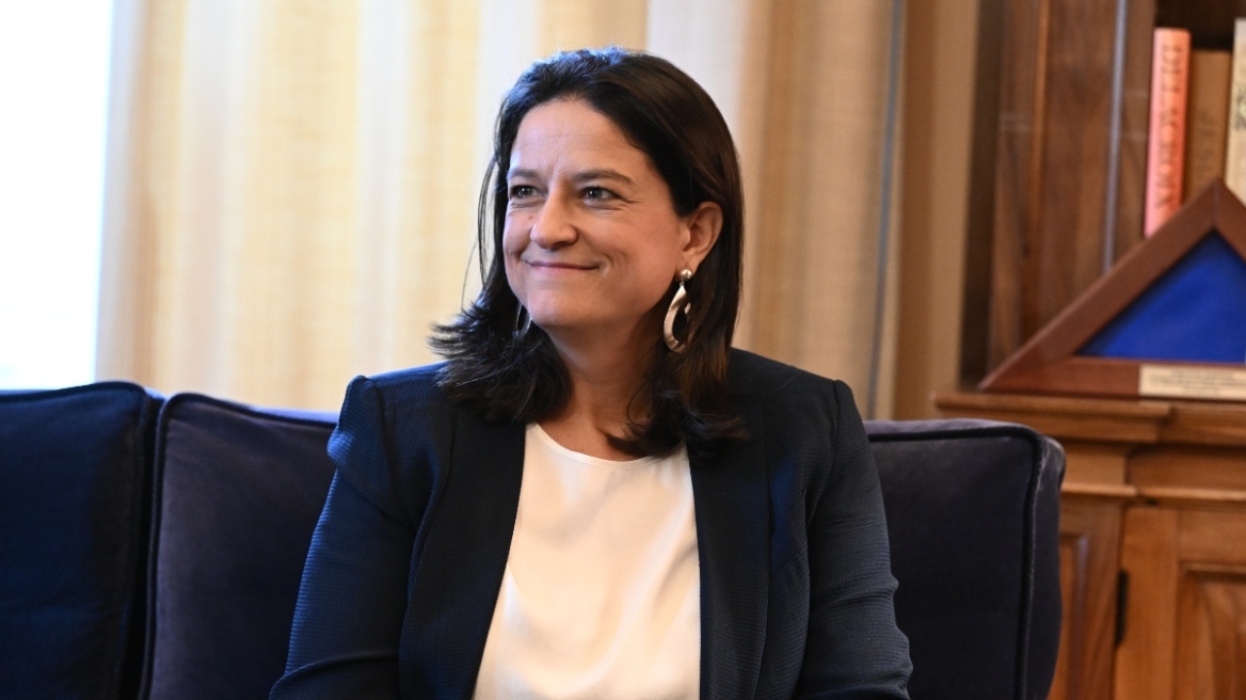
Greece is redefining its labor market as Labor Minister Niki Kerameos breaks records and boosts citizens’ disposable income.
In a critical period for the Greek economy and society, the government has delivered impressive results: women’s unemployment fell from 22.1% to 10%, the lowest rate in the last 18 years, while the Brain Greece program is bringing back 473,000 Greeks who had emigrated abroad.
“The first concern of citizens is how to make ends meet,” said Labor Minister Niki Kerameos in her interview with SKAI TV. “Through targeted subsidies for women, collective labor agreements, and increases in minimum and average wages, we are creating real prospects and boosting disposable income.”
10,000 New Jobs for Women
Under the subsidized employment program, companies hiring unemployed women can receive up to 70% of salary and taxes as a subsidy, and for mothers with children up to 15 years old, the subsidy rises to 80%.
The results are immediate: 10,000 jobs have already been created, with 85,000 applications from companies looking to hire women. “This is not a random success, but a result of targeted programs strengthening female employment,” said the Minister.


Brain Greece: 473,000 Greeks Returning Home
The Brain Greece initiative, now in its sixth edition in European and American cities including Amsterdam, Düsseldorf, Stuttgart, New York, and London, aims to bring talented Greeks back home.
“This is a historic moment with 473,000 citizens returning to Greece, proving that our country now offers opportunity and stability,” Kerameos said. She added that the events involve 40 top Greek companies seeking specialized talent.
Collective Agreements and Wage Increases
The government is also continuing to raise the minimum wage, which has climbed to €880 from €650 in 2019, aiming for €950 by 2027. Additionally, the first collective agreement in the confectionery sector provides up to 12% wage increases, directly affecting 6,000 workers and potentially 23,000 if extended across the sector.
“Collective agreements are the tool to influence the average wage, effectively increasing disposable income for workers,” the Minister emphasized.
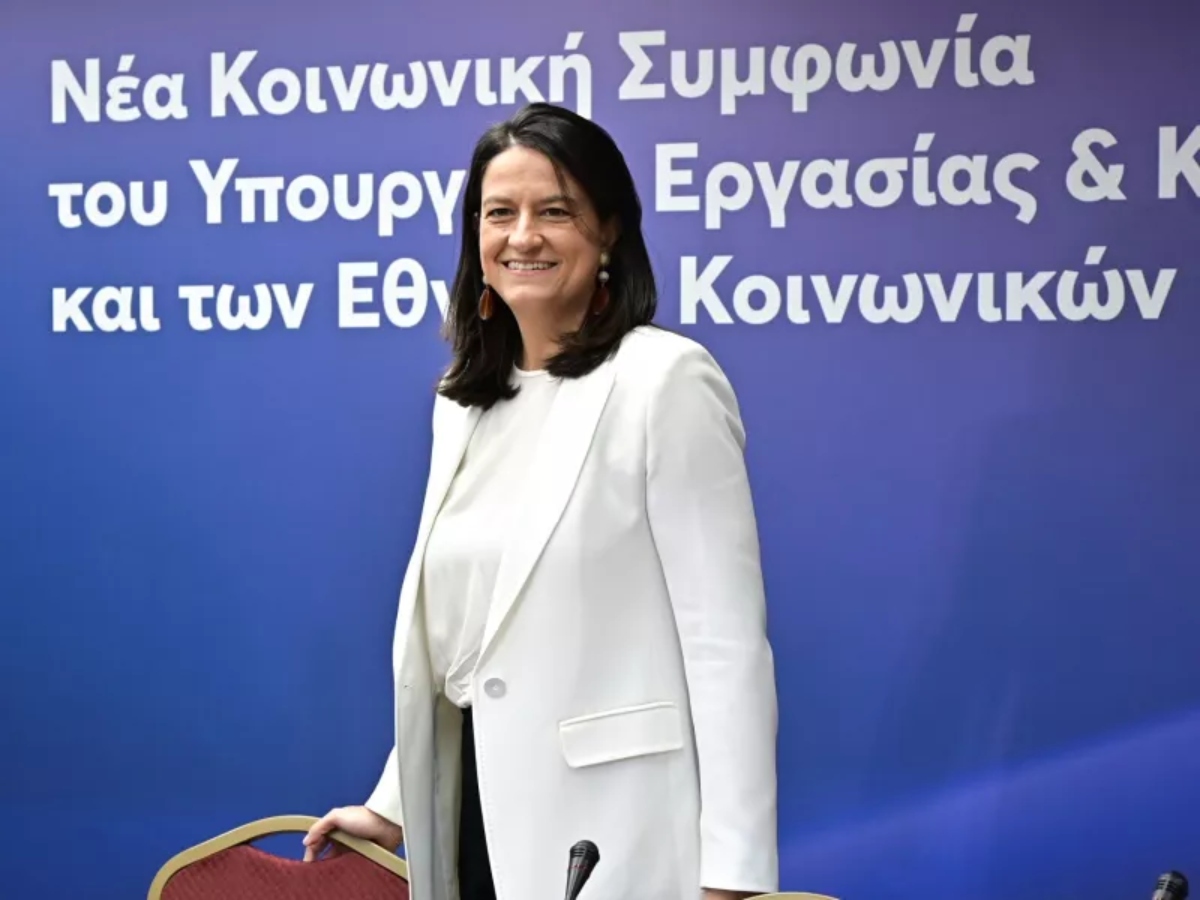

Kerameos’ policies combine social sensitivity with economic strategy. Targeted support for women in the workforce and the return of talented Greeks from abroad are not just economic measures—they are political milestones, demonstrating the government’s commitment to stability, growth, and social cohesion.
“Our country is advancing on two axes: strengthening employment and increasing income, aiming for social justice and economic opportunity for all,” the Minister declared.
Source: pagenews.gr