


Greece Strengthens Ports and Transport Corridors Across Europe and the Balkans
Πηγή Φωτογραφίας: eurokinissi//Greece Strengthens Ports and Transport Corridors Across Europe and the Balkans



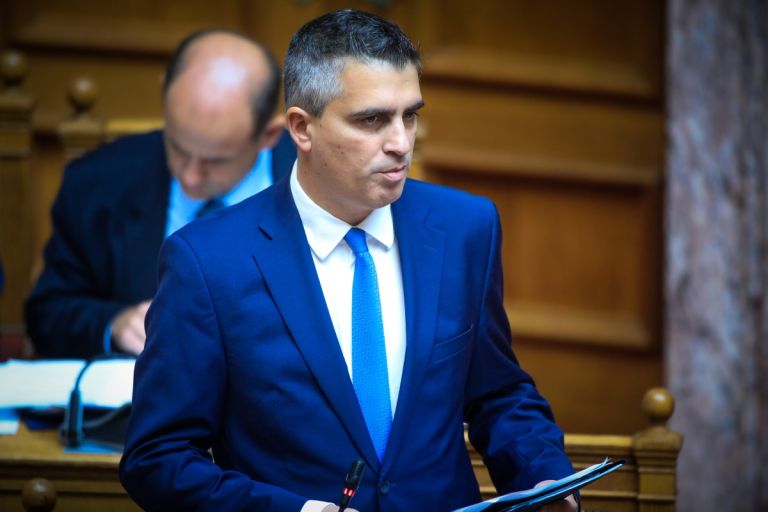
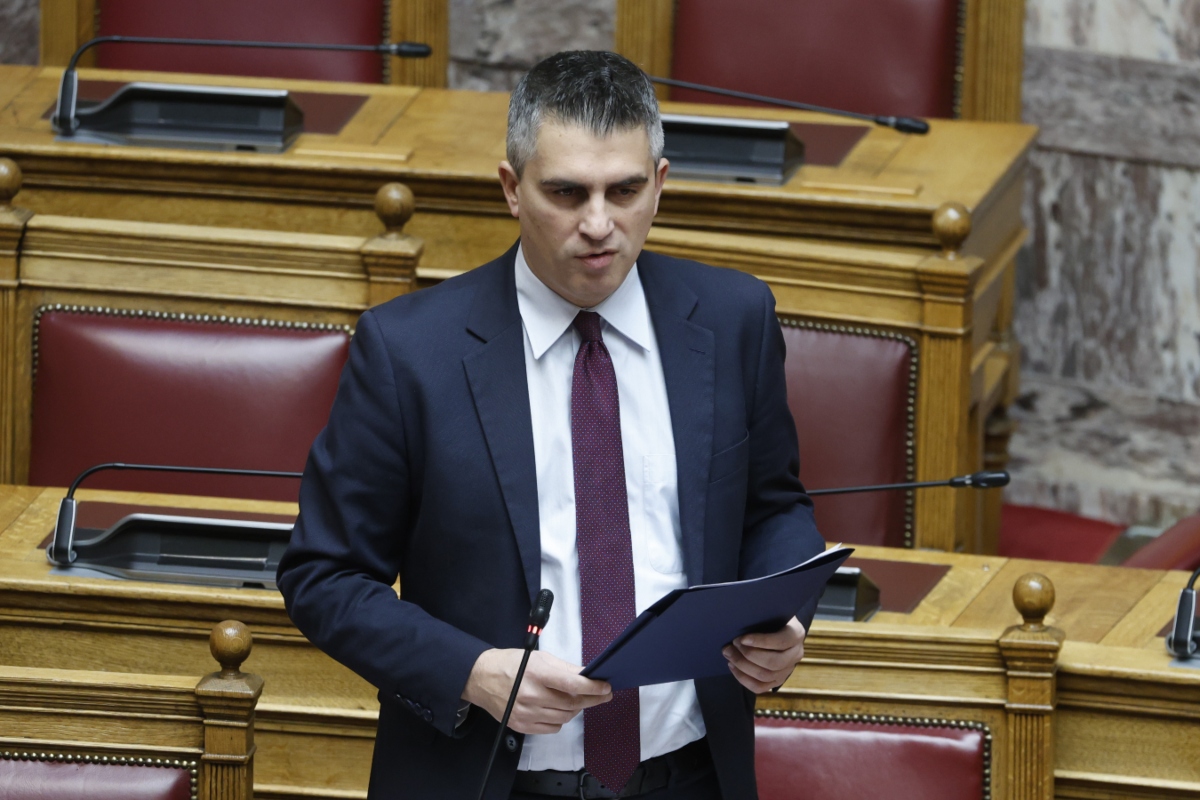
Greece is actively enhancing its role as a transport and logistics hub connecting Europe, the Balkans, and the Eastern Mediterranean, with a focus on ports, railways, and road networks, according to Christos Dimas.
Speaking at the international conference “Circular Ports for Global Trade: Green Infrastructure and Smart Connectivity”, organized by the Bulgaria-Greece Chamber of Commerce and Industry and the Bulgaria Chamber of Commerce and Industry, Minister Dimas highlighted the strategic importance of Greece—and particularly Northern Greece—as a key logistics and transport node.
Integration with European Transport Corridors
Minister Dimas emphasized that Greece participates in major European transport corridors, including:
- The Baltic–Black Sea–Aegean corridor
- The Western Balkans–Eastern Mediterranean corridor
“Through these corridors, Greek ports and rail networks are directly connected to markets in Southeastern and Central Europe,” he stated.
He highlighted the strategic role of Northern Greek ports:
- Thessaloniki: Positioned as a primary gateway to Southeastern Europe, with upgraded road and rail links reinforcing its role as a logistics hub for the Balkans and Central Europe.
- Kavala: Expanding its role through new rail projects, including the Nea Karvali–Toxotes line and the connecting line to the Kavala Commercial Port “Philippos”.
- Alexandroupoli: Modernization of the Alexandroupoli–Ormenio railway enhances connections to Bulgaria, the Black Sea, and Central European markets. The port’s link to Odessa creates an alternative route to Central and Eastern Europe.
Road and Intermodal Infrastructure Upgrades
Regarding Northern Greece’s road network, Minister Dimas noted that the Egnatia Motorway concession marks a new phase in modernizing the main regional artery. In the coming months, the Egnatia will connect with the Central Greece Highway (E65) near Grevena.
He also highlighted the High-Speed Elevated Road in Thessaloniki, expected to become operational in 2027, which will improve interregional traffic flows. Other projects include the Dimiario–Greek-Bulgarian border section in the Xanthi region.
On intermodal logistics, the minister mentioned the operation of the Thriasio Freight Center and the planning of a new logistics hub at the former Gonos military camp in Thessaloniki.
Regional Cooperation and Strategic Vision
These initiatives are part of a broader Greek strategy in collaboration with Bulgaria and Romania, aimed at developing North–South transport axes within the Baltic Sea–Black Sea–Aegean corridor.
Minister Dimas cited the tripartite memorandum of cooperation among the three countries, designed to coordinate cross-border infrastructure projects and accelerate investment.
“Greece is systematically implementing this strategy, linking transport infrastructure with connectivity, stability, and European cooperation,” he concluded.
Source: pagenews.gr
Διαβάστε όλες τις τελευταίες Ειδήσεις από την Ελλάδα και τον Κόσμο








Το σχόλιο σας