


Energy Relief or Temporary Fix? The €350M Gamble for Industry
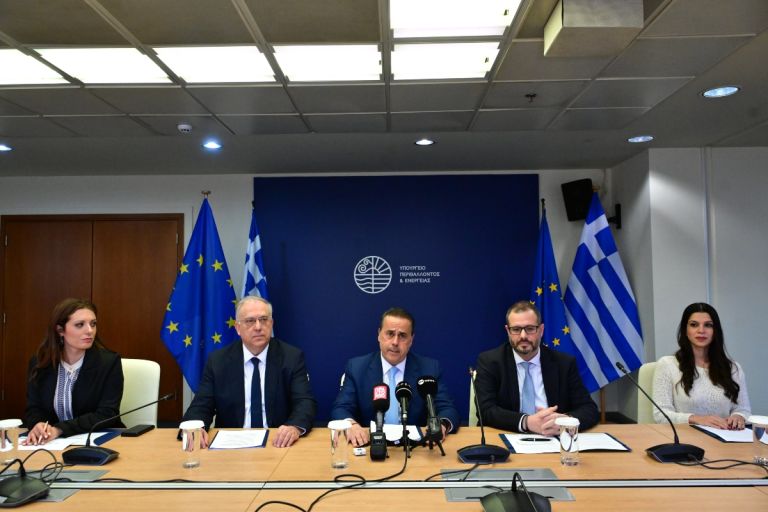
Πηγή Φωτογραφίας: eurokinissi//Energy Relief or Temporary Fix? The €350M Gamble for Industry



Amid persistent energy price volatility, the Greek government has unveiled a €350 million support package aimed at easing the burden on energy-intensive industries, while also encouraging long-term investments in energy efficiency and modernization.
The measures, presented by Environment and Energy Minister Stavros Papastaurou, form part of a broader strategy to safeguard industrial competitiveness in an uncertain global energy landscape.
Two pillars: Compensation and cost reduction
At the core of the plan are two key mechanisms designed to stabilize energy costs:
“We have two main pillars, with €150 million annually over the next five years, alongside €200 million from the Modernisation Fund,” Papastaurou stated.
The first pillar αφορά the compensation mechanism, allowing energy-intensive industries to recover part of the indirect carbon costs embedded in electricity prices — a tool permitted under EU state aid rules.
The second pillar focuses on reducing Public Service Obligation (PSO) charges, a significant component of electricity bills.
50% cut in charges: Social and economic impact
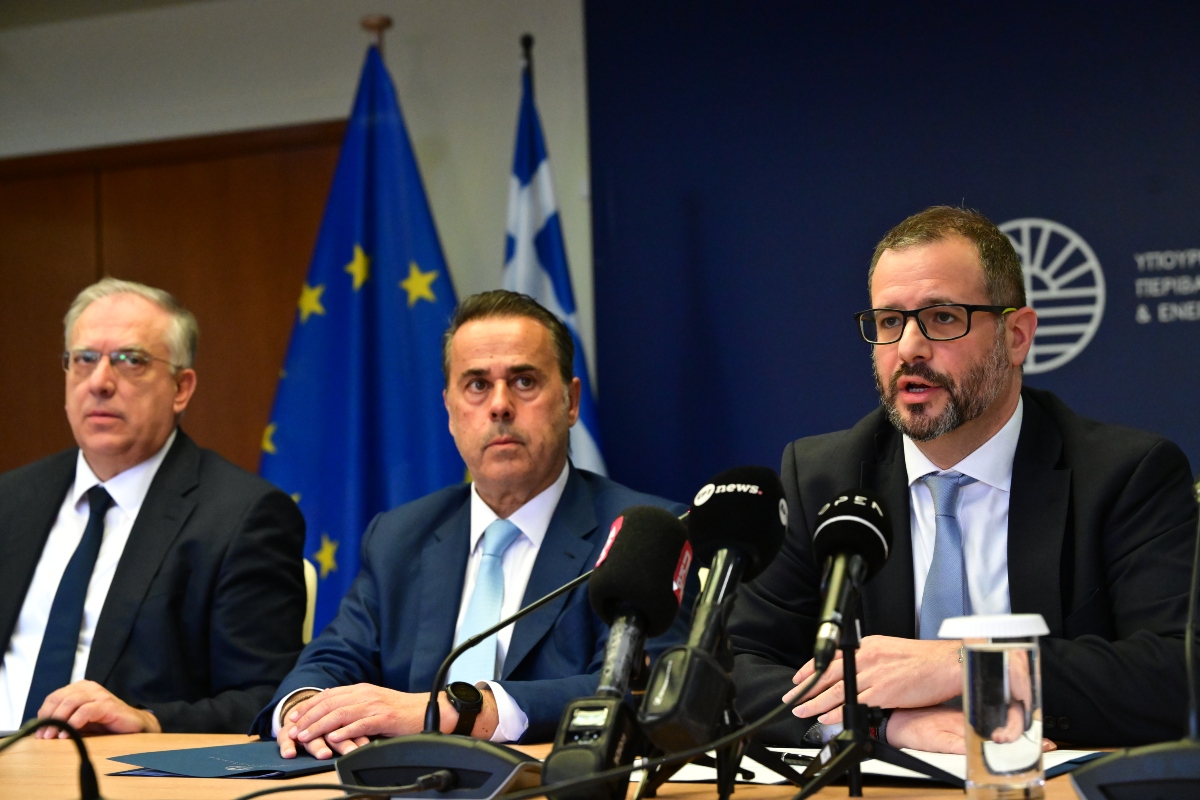
Deputy Minister Nikos Tsafos clarified that:
“From July 1, 2026, these charges will be reduced by 50%, benefiting approximately 23,000 consumers.”
This measure not only targets industrial users but also reflects a broader effort to contain energy inflation and support vulnerable groups, reinforcing the social dimension of energy policy.
Beyond relief: Investment and transformation
Beyond immediate cost relief, the plan prioritizes long-term structural changes in the energy footprint of Greek industry.
Funds from the EU Modernisation Fund will support:
- Energy efficiency upgrades
- Industrial decarbonization
- Transition to cleaner energy sources
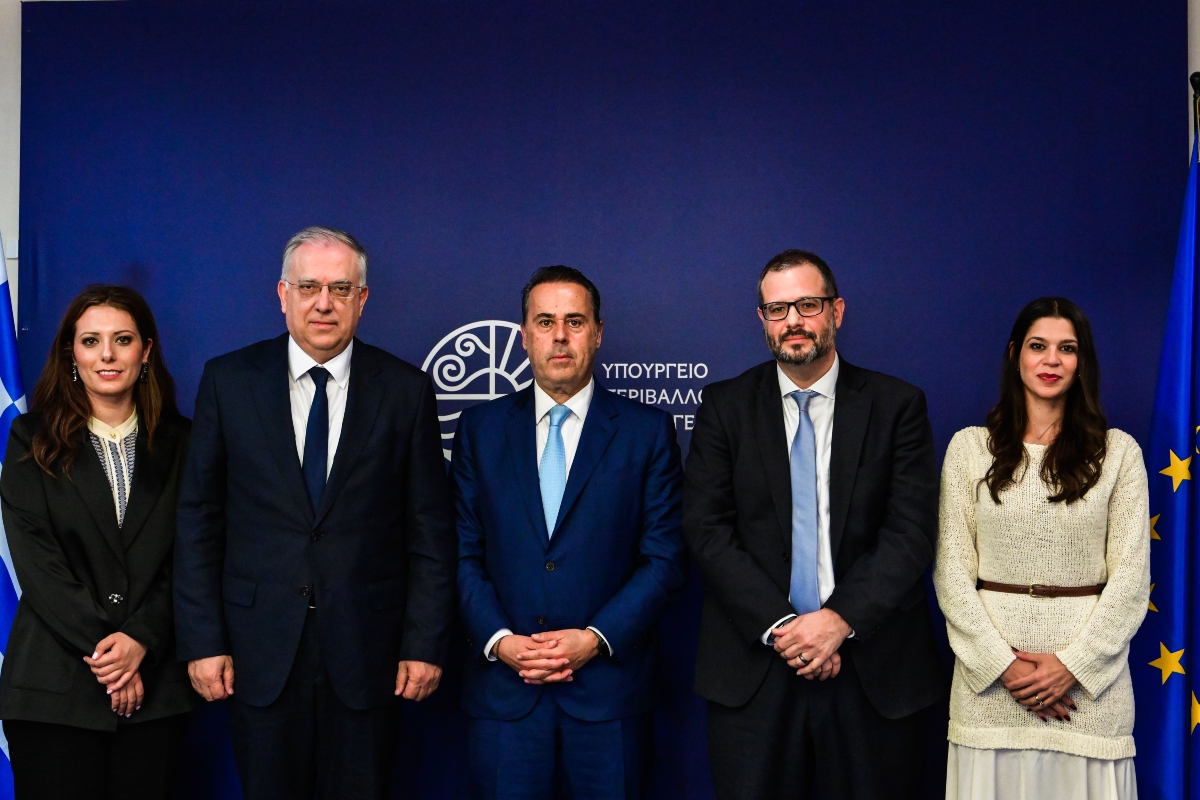
The presence of Development Minister Takis Theodorikakos and Hellenic Federation of Enterprises (SEV) President Spyros Theodoropoulos during the announcement underscored the alignment between government policy and industrial priorities.
Stability message or crisis management?
Beyond the technical measures, the initiative carries a clear political signal:
- Short-term, it aims to shield industry from global energy shocks and maintain economic momentum
- Long-term, it seeks to position Greece as a competitive, energy-efficient production hub
However, market stakeholders remain cautious, questioning whether these measures represent a sustainable strategy or a temporary buffer against ongoing geopolitical and energy uncertainties.
In this context, energy policy is evolving into a central arena of political and economic debate, directly affecting growth, investment, and cost of living.
Source: pagenews.gr
Διαβάστε όλες τις τελευταίες Ειδήσεις από την Ελλάδα και τον Κόσμο





Το σχόλιο σας