


Incompatibility or political maneuver? Mitsotakis reshapes power balance amid pressure
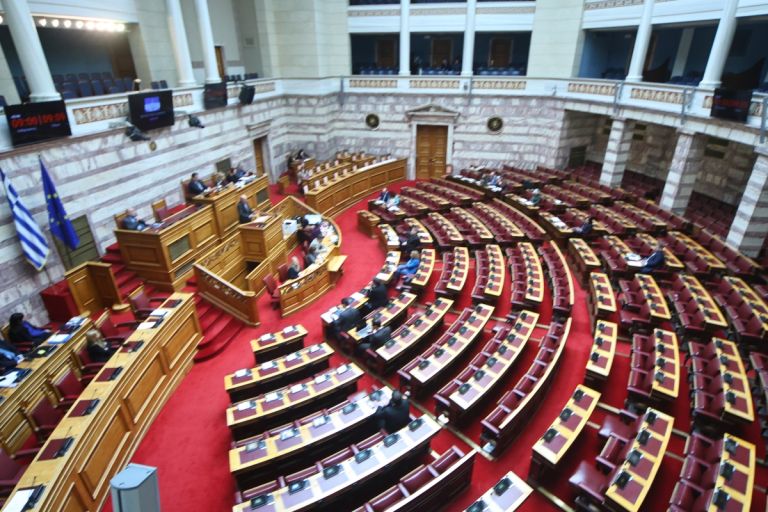
Πηγή Φωτογραφίας: eurokinissi//Incompatibility or political maneuver? Mitsotakis reshapes power balance amid pressure



At a moment of mounting institutional pressure and political scrutiny, the Greek government is attempting to redraw the rules of the political system. The proposal by Prime Minister Kyriakos Mitsotakis to introduce incompatibility between the roles of minister and Member of Parliament (MP) is being framed as a structural reform—but it also carries clear political undertones.
Government spokesperson Pavlos Marinakis clarified the framework: “For as long as someone serves as a minister, they will not hold the position of MP. They will return to Parliament in case of a reshuffle.” He stressed that the measure would be part of a future constitutional revision and would apply after the next elections.
Institutional reform or tactical repositioning?
Officially, the government presents the proposal as a step toward strengthening the separation of powers and enhancing the role of Parliament.
However, the broader political context suggests a parallel objective: managing political pressure and restoring credibility amid ongoing controversies, including the OPEKEPE case.
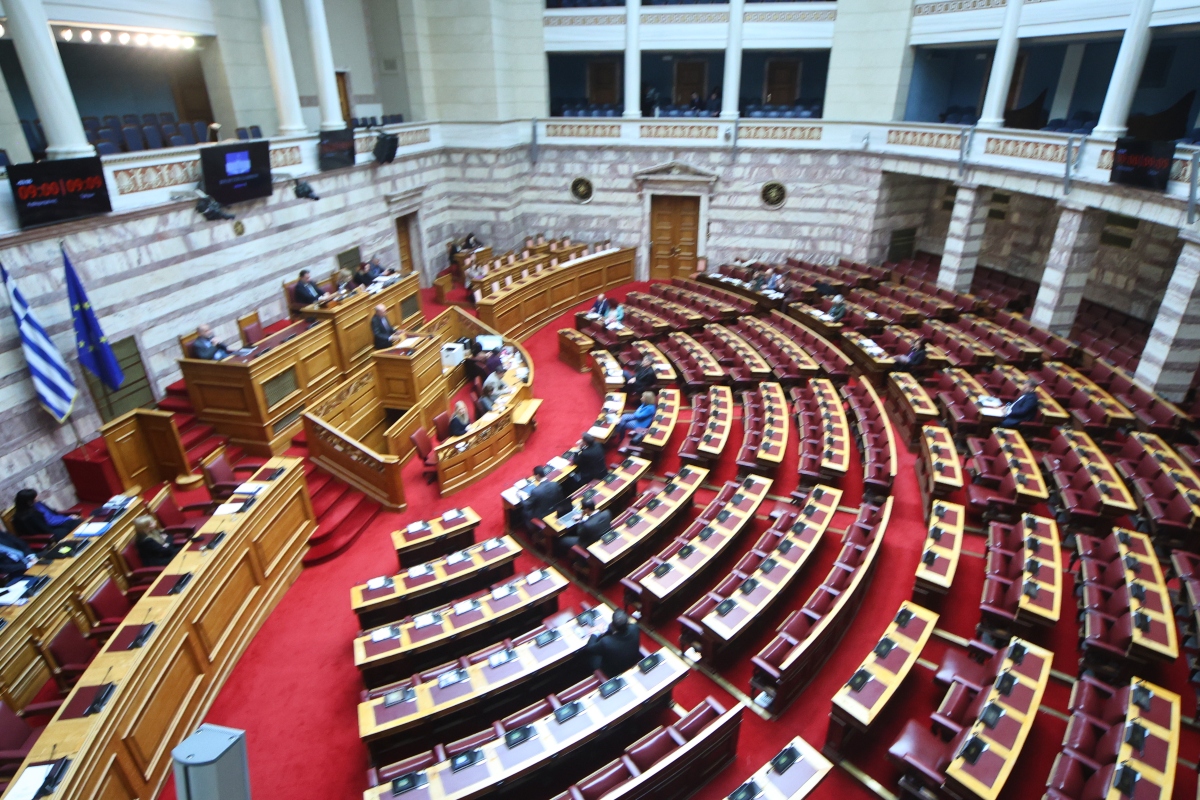
Mitsotakis himself framed the initiative as part of a broader reset: “I will propose a new set of institutional reforms… so that Greece can finally break free from the burdens of the past.”
Timing that speaks volumes
The proposal comes at a politically sensitive moment:
- Ongoing debates over parliamentary immunity
- A wider crisis of trust in political institutions
- Heightened scrutiny of government handling of key cases
At the same time, Pavlos Marinakis sought to lower tensions around specific figures, noting: “There is a presumption of innocence… there is no issue of expulsion” regarding Kostas Karamanlis.
Raising the stakes against the opposition
The government is also escalating its rhetoric toward PASOK, shifting the debate from current controversies to historical accountability.
“A party that had ministers in prison cannot point the finger,” Marinakis said sharply, reviving long-standing narratives about systemic responsibility in Greek politics.
The strategy is clear: frame the confrontation as a broader comparison of political eras rather than a narrow critique of present governance.
Behind the scenes: flexibility and control
The provision allowing ministers to return to Parliament after a reshuffle is more than procedural—it is politically strategic.
It offers:
- Flexibility in cabinet reshuffles
- Second chances for political figures
- Stronger control over the parliamentary group
At the same time, discussions about potentially reducing the number of MPs hint at deeper structural changes that could reshape the political landscape.
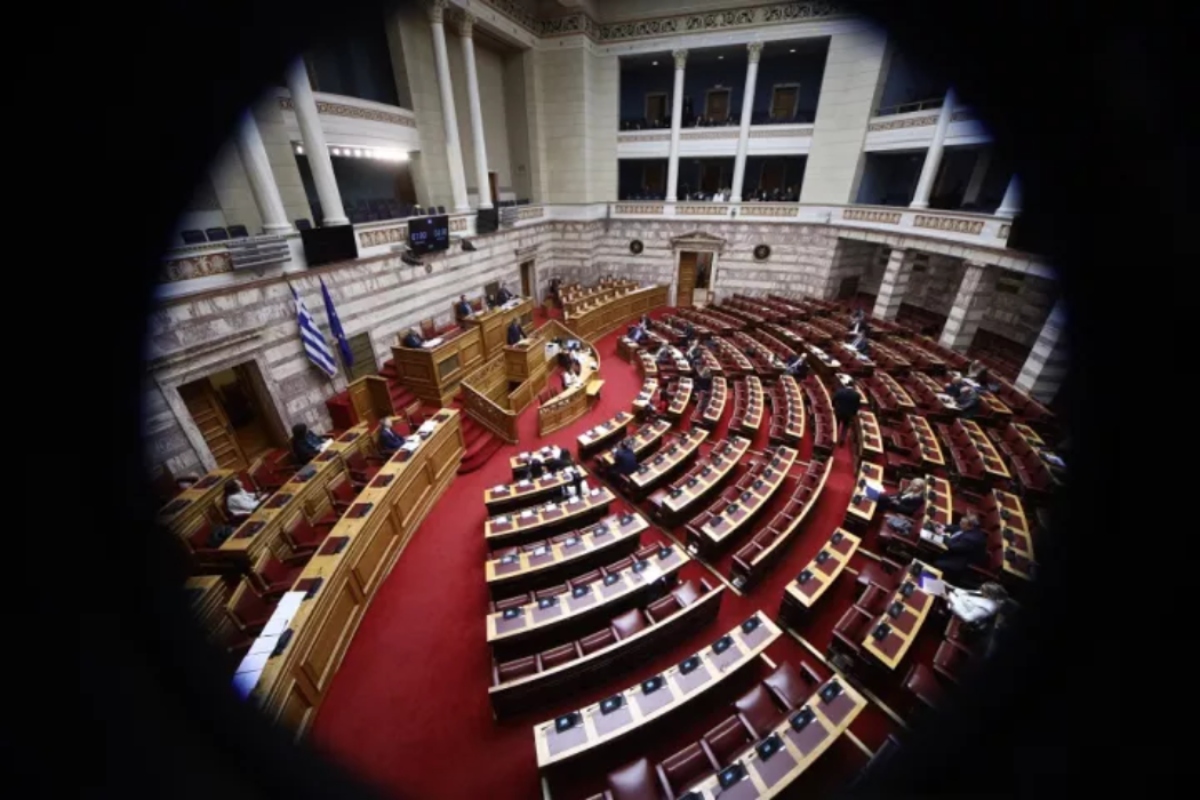
trust vs perception
The key question remains whether this initiative can genuinely restore public trust or will be perceived as a tactical move.
In a climate of skepticism toward political institutions, reforms are judged not only by their content but also by their timing and intent.
For the government, the risk is clear: if institutional proposals are not backed by tangible results, they may reinforce rather than reverse public distrust.
The incompatibility proposal stands at the intersection of reform and political strategy.
Whether it becomes a meaningful institutional shift or just another chapter in Greece’s cycle of political repositioning will depend on implementation—and on whether citizens see real change beyond the rhetoric.
Source: pagenews.gr
Διαβάστε όλες τις τελευταίες Ειδήσεις από την Ελλάδα και τον Κόσμο







Το σχόλιο σας