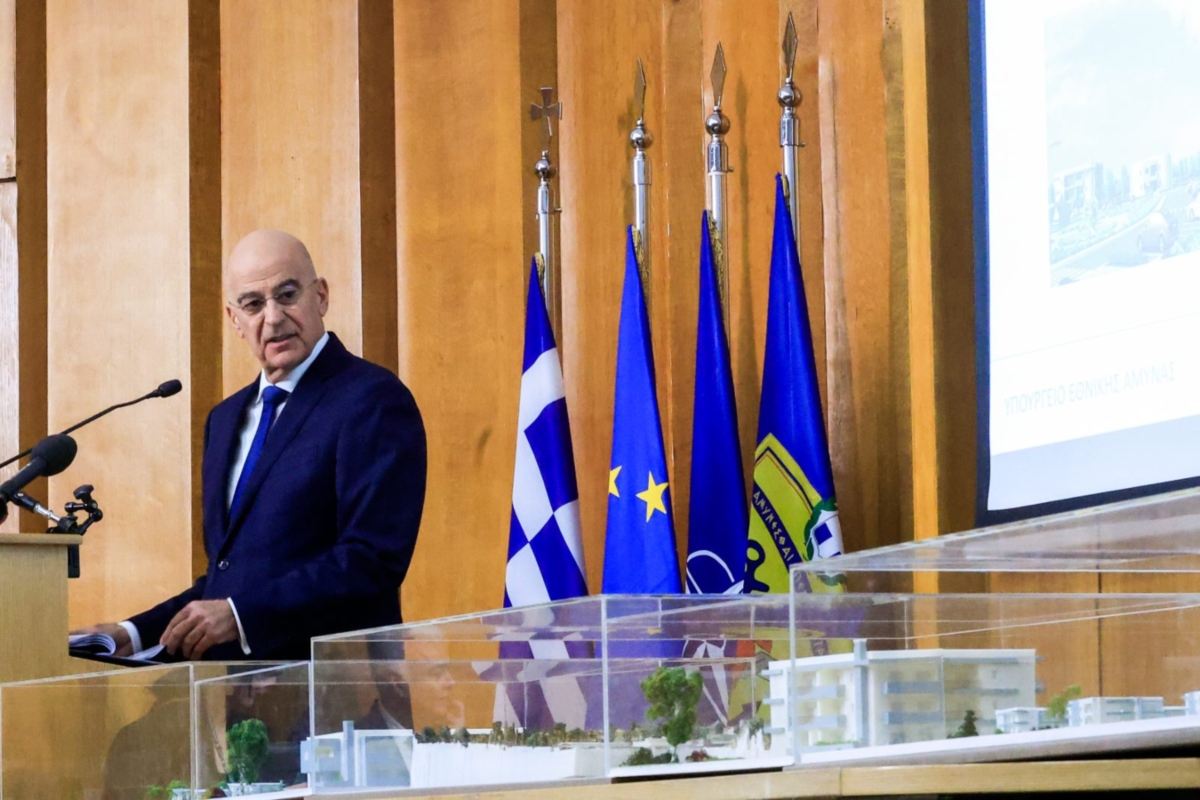
As Greece confronts rising living costs and a tight housing market, the government’s program aims to improve quality of life and operational stability for military families, while sending a strong socio‑political signal ahead of national elections.
A First‑of‑Its‑Kind Housing Initiative for the Armed Forces
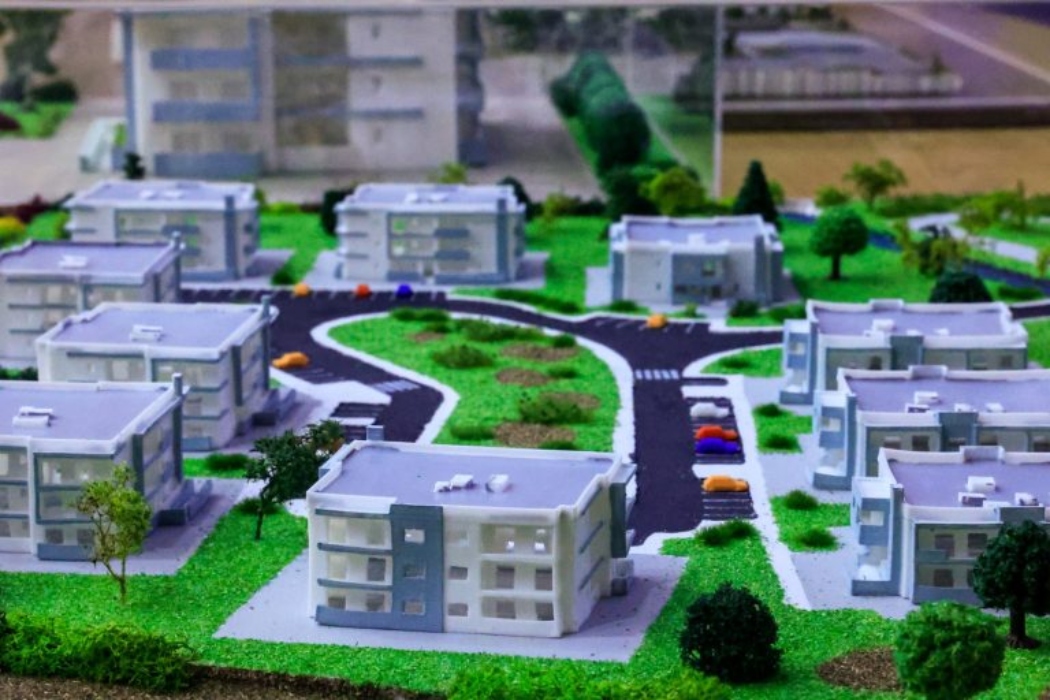
In a significant move announced by the Greek government, a historic housing program has been launched to provide ready‑to‑occupy homes to members of the Hellenic Armed Forces and their families who are transferred across the country. The measures are designed to relieve chronic logistical and social issues that military personnel have long faced.
Under the plan, every transferred officer will receive access to a home that is immediately habitable, eliminating the uncertainty and disruption associated with frequent relocations. The policy marks a departure from previous practices, where many families struggled to secure suitable accommodation upon reassignment — issues that often undermined military morale and family stability.
Priority is expected to be given to regions with strategic defence importance or pronounced housing shortages, such as Thrace and the Eastern Aegean islands, where frequent transfers have historically placed burdens on service members and local communities.

What the Program Aims to Achieve
Reducing Social & Logistical Strain
Military service in Greece frequently involves inter‑regional transfers, which for decades have created housing challenges for personnel and their families — especially in high‑cost or low‑supply markets. By guaranteeing a home for each transferred member, the government intends to:
- Stabilize family life and reduce the psychological toll of frequent moves
- Improve retention and satisfaction in the armed forces
- Strengthen operational readiness by addressing domestic stresses that affect service members’ performance and focus
Part of Broader Welfare Reforms
This housing initiative complements a seven‑pillar welfare package announced earlier by Defence Minister Nikos Dendias, which includes pay increases, improved healthcare access, retirement support, and other quality‑of‑life improvements for service members and their families.
Government officials argue that by addressing both economic and social dimensions of military service, the reforms will help modernize the conditions of those serving in the Armed Forces and bring Greece more in line with welfare standards seen in other advanced democracies.
Housing Pressures in Greece and the EU
Greece faces broader housing challenges, with residents experiencing high cost burdens relative to income. In 2024, around 10 % of urban dwellers in the EU spent more than 40 % of their income on housing costs — a burden particularly acute in Greece.
High rents and limited availability have left many households struggling, prompting government action on multiple fronts. Alongside the military housing program, Athens has pursued housing revitalization measures, including subsidies for home renovations and incentives for developers to boost long‑term rental supply.
Political Significance & Timing
The launch of the military housing program comes at a politically sensitive moment, with Greece preparing for elections and heightened public debate over cost of living, social support policies, and welfare reform. By highlighting tangible benefits for service members and their families, the government appears to be reinforcing its commitment to social cohesion and institutional support for those who serve.
Supporters of the initiative suggest it will help reduce bureaucratic friction, improve quality of service life, and enhance long‑term stability in defence communities, especially in border regions and island deployments, where housing shortages are most acute. Critics, however, may argue about funding priorities and long‑term sustainability — particularly in a nation grappling with broader demographic and economic shifts.
Longer‑Term Outlook
Observers see the program as part of a broader trend in Greek social policy aimed at addressing demographic decline, urban housing shortages, and welfare gaps through targeted infrastructure and support measures. The integration of military housing into national housing strategy — potentially leveraging underused defence real estate — could serve dual civic and defence policy goals, if implemented effectively.
Source: pagenews.gr