


From Crisis to Powerhouse: Greece Reclaims Its Place at Europe’s Economic Core
Πηγή Φωτογραφίας: eurokinissi//From Crisis to Powerhouse: Greece Reclaims Its Place at Europe’s Economic Core


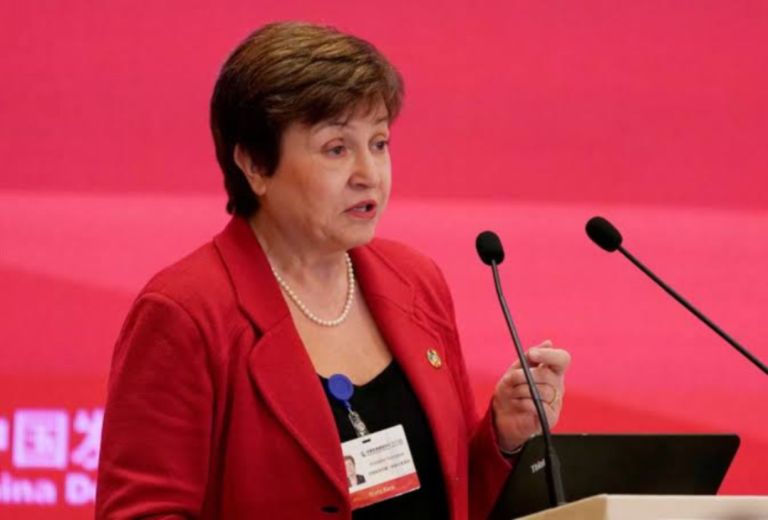
The remarks by Kristalina Georgieva are far more than diplomatic praise. They signal a broader geopolitical and economic shift: Greece, once the epicenter of the Eurozone crisis, is now being positioned as a model of resilience and reform.
“Look at them now: they are among the best-performing economies in Europe.”“Political will, commitment, and the ability to implement difficult reforms pay off.”
Speaking under the auspices of the International Monetary Fund, Georgieva placed Greece alongside Ireland and Portugal—countries that transformed deep crises into recovery success stories.
Political Signal: Pierrakakis and the Return of Credibility
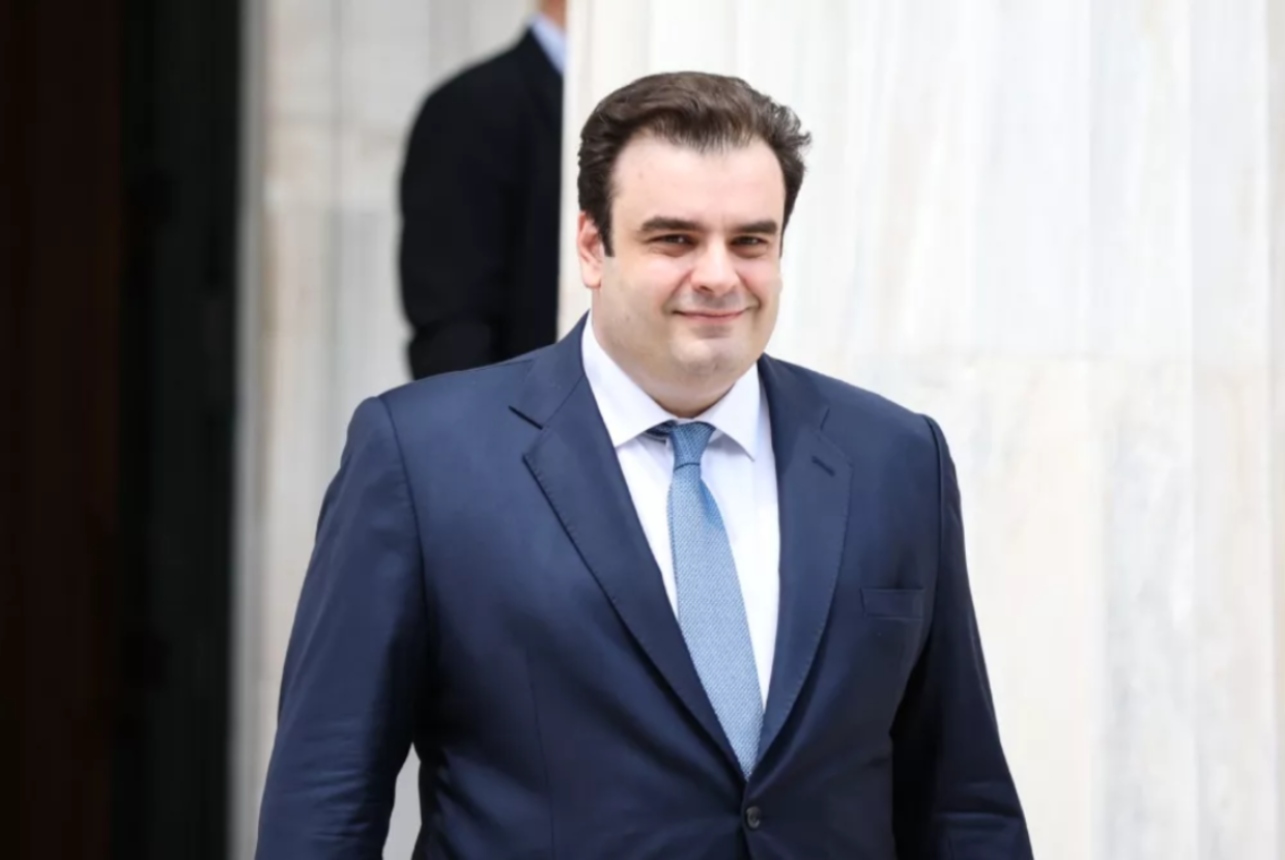
The election of Kyriakos Pierrakakis as President of the Eurogroup is a defining milestone.
This is not merely symbolic. It reflects a structural shift:
- Greece is back at the core of Eurozone decision-making
- It has transitioned from systemic risk to policy influencer
- It is now viewed as a credible and stable partner
For international observers, this marks a remarkable reversal for a country that, just over a decade ago during the European debt crisis, stood on the brink of exiting the euro.
Economic Reality: Strong Performance, Fragile Balance
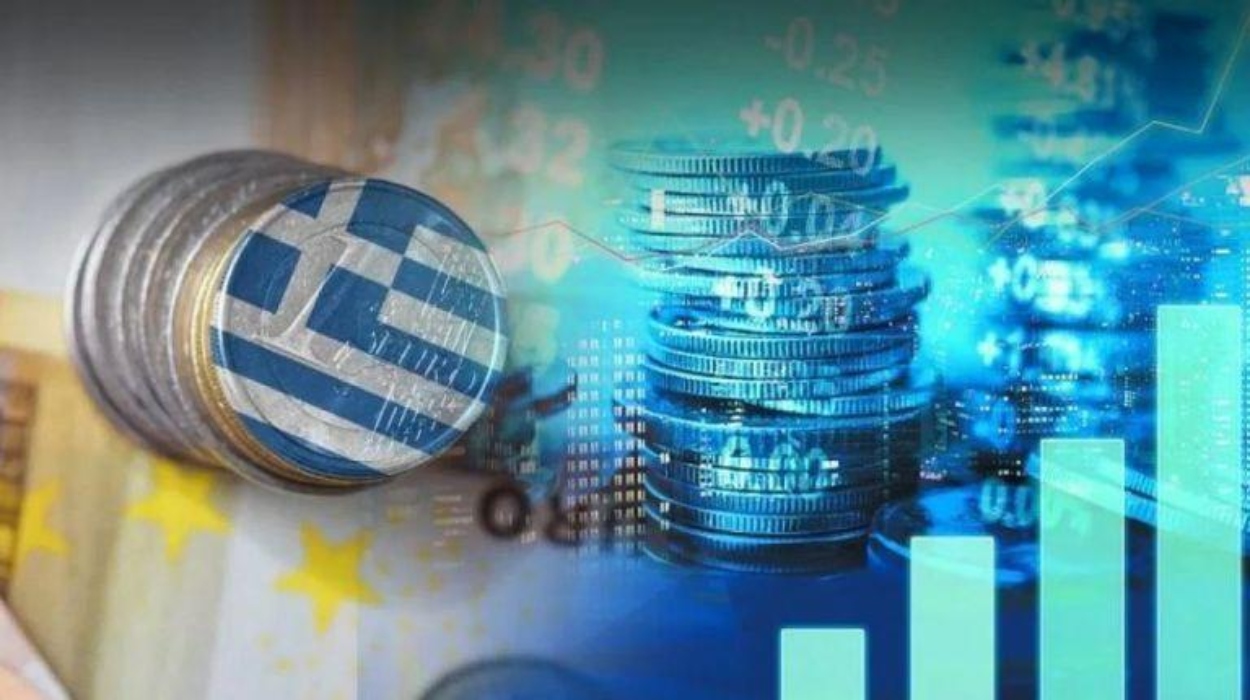
The IMF’s positive assessment is grounded in tangible economic indicators:
- sustained domestic demand
- continued structural reforms
- improved fiscal discipline
Greece has consistently outperformed the Eurozone average in growth, while gradually reducing its debt burden and maintaining primary surpluses.
However, the recovery comes with caveats. The IMF highlights risks tied to:
- global geopolitical instability
- energy price volatility
- dependence on tourism and external demand
Geopolitical Dimension: Greece in a Fragmenting World
Greece’s resurgence coincides with a period of global economic fragmentation:
- ongoing conflicts impacting energy markets
- inflationary pressures across Europe
- shifting trade dynamics and supply chains
Within this context, Greece is emerging as:
- a reform success case
- a stability anchor in Southeast Europe
- a strategic node in the EU’s economic architecture
Statements from Pierrakakis emphasize that geopolitical tensions directly affect inflation, energy costs, and financial stability across the Eurozone.
The Other Side: Structural Challenges Persist
Despite the progress, key vulnerabilities remain:
- still-high public debt levels
- cost-of-living pressures on households
- persistent inequality
- exposure to external shocks
Georgieva herself has warned that the global economy is entering a “new normal,” where volatility is the rule rather than the exception.
A Case Study in Economic Transformation
Greece today represents more than a recovery story. It is:
- a case study in fiscal and structural adjustment
- a benchmark for political consistency under pressure
- a test of resilience in an unstable global order
Georgieva’s message is clear:
- Economic credibility is now geopolitical power
- Reform capacity defines long-term stability
And in this evolving landscape, Greece appears—at least for now—to have firmly re-entered the European core.
Source: pagenews.gr
Διαβάστε όλες τις τελευταίες Ειδήσεις από την Ελλάδα και τον Κόσμο






Το σχόλιο σας