A conflict beyond politics
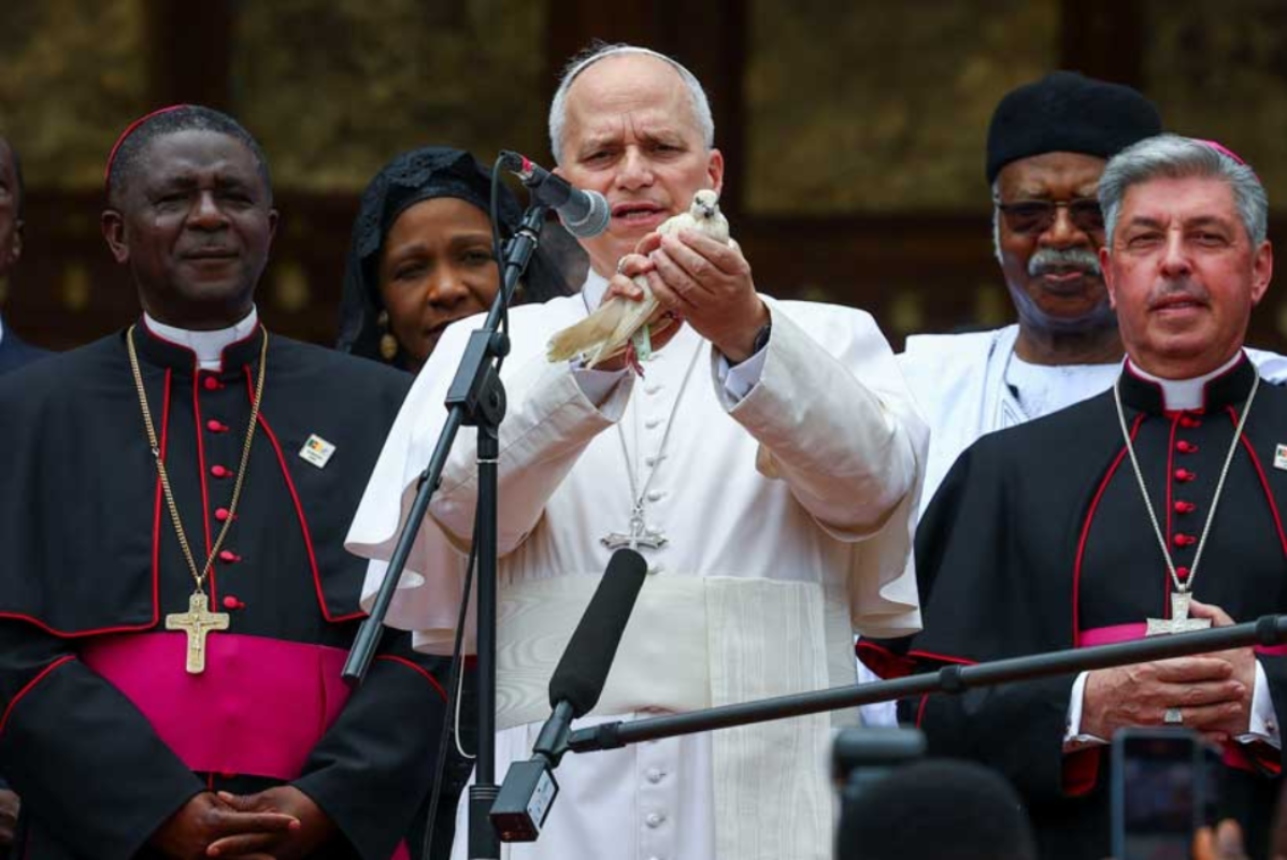
The public dispute between Donald Trump, J.D. Vance, and Pope Leo XIV is increasingly being interpreted not as a routine political exchange, but as a struggle over moral authority in global affairs.
At the center of the clash is the question of who has the legitimacy to define the ethical boundaries of war, borders, democracy, and state power.
The immediate trigger was Pope Leo’s criticism of the war with Iran and his warnings about its moral consequences. Trump responded with personal attacks, while Vance attempted to separate theology from state policy.
Religion as political legitimacy
According to the analysis, religion in the Trump-era political framework often functions less as doctrine and more as a source of legitimacy.
Christian language is used to:
- reinforce sovereignty and national identity
- define civilizational boundaries
- justify the use of force in international affairs
- support the authority of the state in moments of conflict
Within this logic, theology becomes a tool that frames political decisions as morally justified rather than merely strategic.
“Christian language is used to fortify sovereignty, cultural identity, and the moral right of the state to act with force,” the analysis notes.
The Vatican’s rejection of political separation
The Vatican rejects the idea that morality can be separated from politics.
Catholic teaching traditionally treats:
- war
- migration
- poverty
- democracy
- human dignity
as inherently moral questions, not purely political ones.
Pope Leo has emphasized that democratic systems remain legitimate only when grounded in moral law, warning against the concentration of power and what he describes as “majoritarian tyranny.”

The earlier rupture: “ordo amoris”
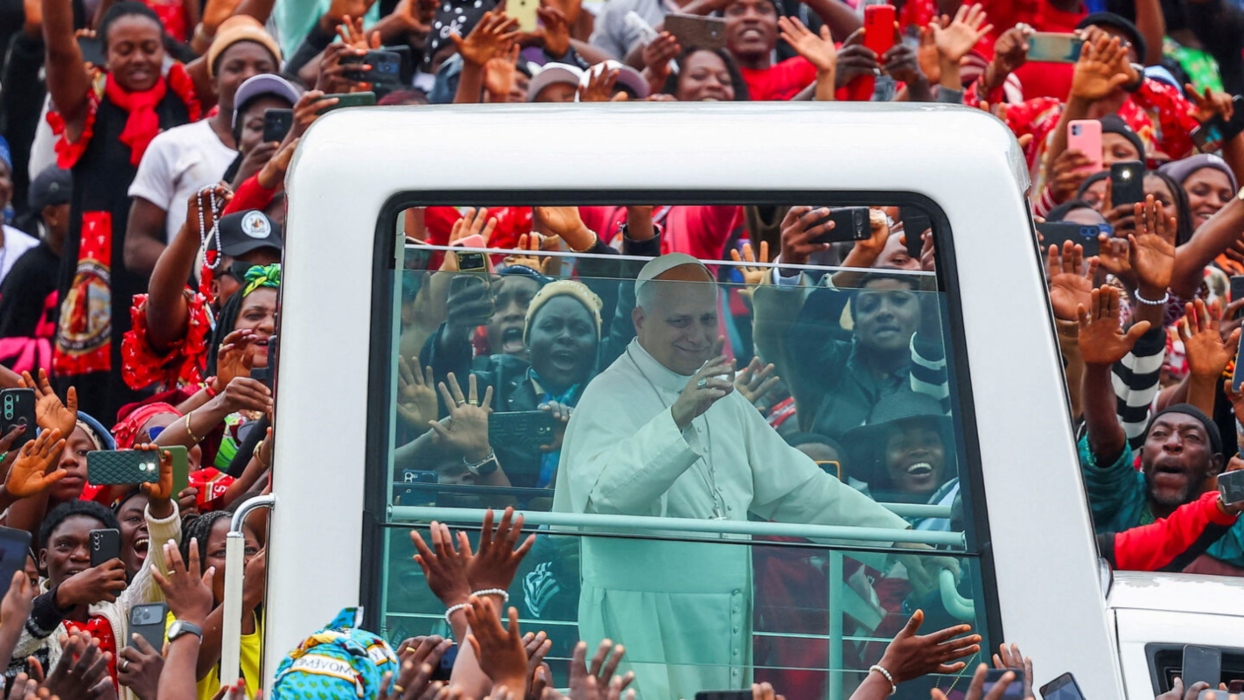
This conflict did not begin with Pope Leo.
It follows an earlier dispute between Pope Francis and J.D. Vance over the concept of ordo amoris (order of love), used to justify prioritizing obligations: family first, then nation, then others.
Pope Francis rejected this interpretation, arguing that Christian ethics are best understood through the parable of the Good Samaritan, which expands rather than restricts moral responsibility.
“The true ordo amoris is found in the Good Samaritan,” Francis wrote in his letter to U.S. bishops, challenging the nationalist framing of moral obligation.
A deeper anthropological divide
At the core of the disagreement lies a fundamental difference in how human beings are understood:
- The Trump–Vance perspective prioritizes order, security, and national cohesion
- The Vatican perspective prioritizes universal human dignity, including migrants and civilians in war zones
This creates two competing moral architectures:
- concentric obligations (nation-centered ethics)
- universal moral responsibility (person-centered ethics)
The conflict is therefore not only political, but philosophical and anthropological.
Why Pope Leo is a uniquely powerful actor
Pope Leo’s position carries particular weight because he is the first American-born pope.
This changes the political dynamic in several ways:
- he cannot be easily framed as an “external critic” of U.S. policy
- he understands American political language from within
- he represents a universal church that resists national appropriation
His American identity combined with Vatican authority increases the symbolic impact of his criticism.
Competing Christian interpretations
Both sides draw on Christian tradition, but interpret it differently:
- The Trump–Vance position leans toward just war reasoning and civilizational defense
- The Vatican emphasizes Augustinian traditions of moral accountability, peace, and limits on coercion
The result is not a secular-religious divide, but a conflict between rival theologies within Christianity itself.

Political implications inside the United States
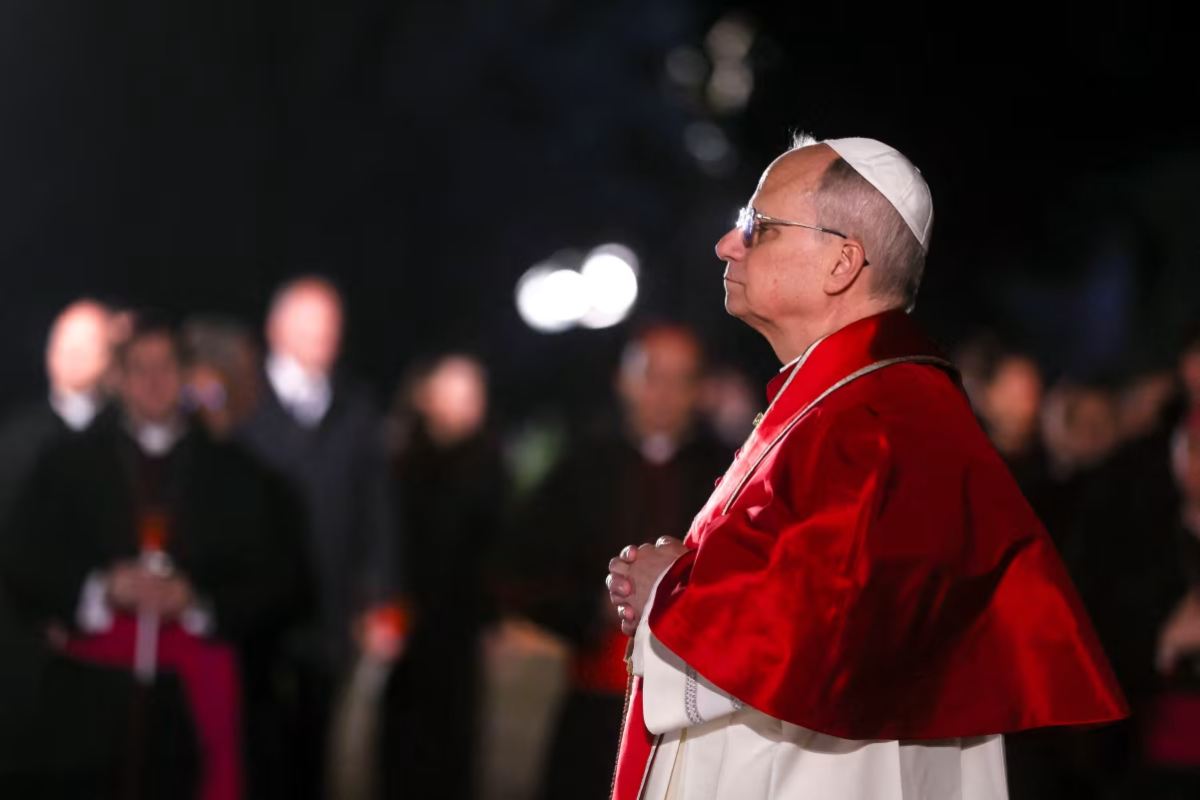
The dispute also carries domestic consequences:
- U.S. Catholics remain a politically significant electorate
- public criticism from the pope complicates efforts to align religious symbolism with nationalist politics
- Trump’s rhetorical attacks risk alienating parts of the Catholic community
- Vance’s attempt to confine the pope to “morality” exposes tension with Catholic social teaching
The confrontation between Trump, Vance, and Pope Leo XIV reflects more than a disagreement over foreign policy.
It reveals a deeper struggle over:
- who defines moral authority in public life
- whether theology legitimizes or judges political power
- and how religion shapes the boundaries of war and state action
At its core, this is a contest between two political theologies: one that uses religion to reinforce sovereignty, and another that uses religion to limit it.
Source: pagenews.gr