COMMISSION TARGETS TAX BREAKS: €22.9 Billion in Exemptions Faces EU Scrutiny
 ΧΡΟΝΟΣ ΑΝΑΓΝΩΣΗΣ 5 '

Πηγή Φωτογραφίας: pixabay//COMMISSION TARGETS TAX BREAKS: €22.9 Billion in Exemptions Faces EU Scrutiny



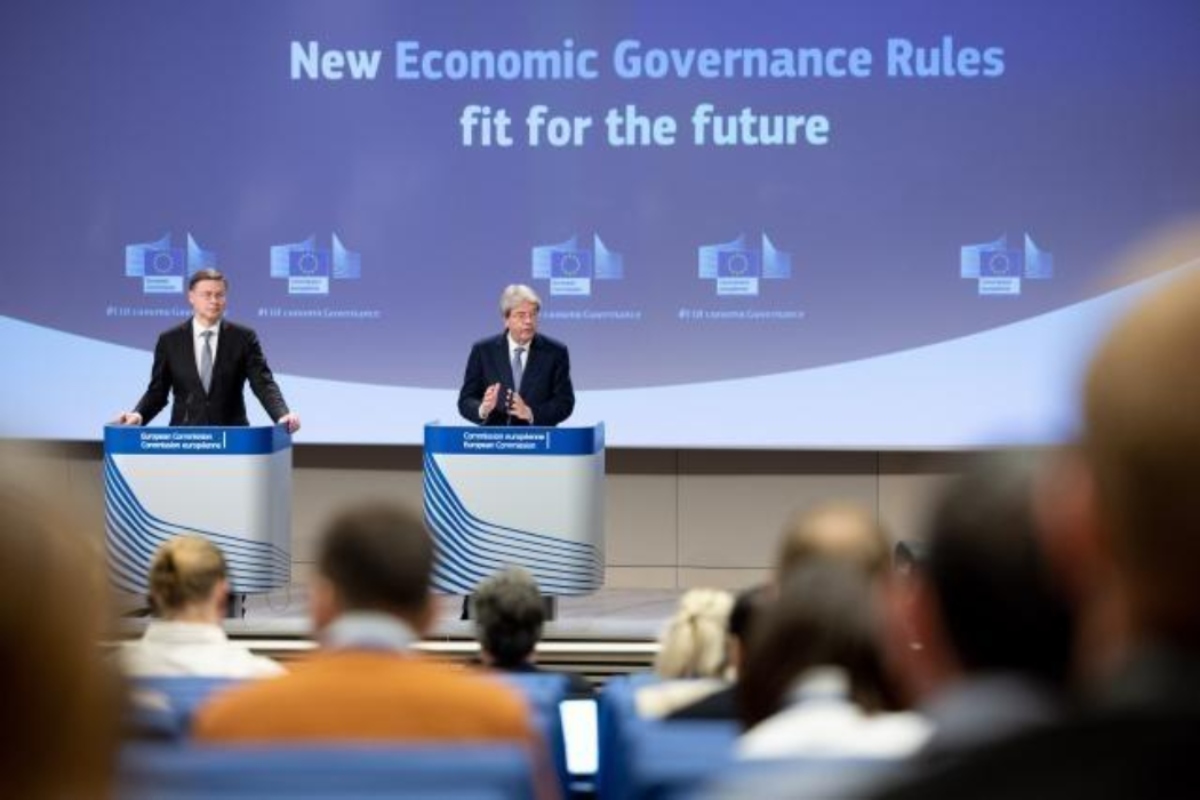
The debate over tax exemptions is returning to center stage—and this time, the message from Brussels is unmistakable: every tax break is now under the microscope.
In its 2026 recommendations for the Greek economy, the European Commission calls for continued fiscal discipline and strict adherence to expenditure ceilings through 2028. At the same time, it stresses that support measures for households must remain temporary, targeted and fiscally sustainable.
But the real warning signal concerns tax expenditures.

The Great European Audit
According to the Commission’s assessment, Greece currently maintains 1,236 separate tax expenditures and exemptions, a figure that significantly reduces public revenues.
Brussels is not merely asking for a review. It is demanding a comprehensive evaluation of whether these measures still serve a legitimate economic or social purpose.
“Which tax exemptions generate real economic value, and which have become permanent drains on public finances?”
That is increasingly becoming the central policy question.
The Commission’s position aligns closely with long-standing recommendations from the OECD, the IMF, the Bank of Greece and the Foundation for Economic and Industrial Research (IOBE), all of which have argued that an expanding network of exemptions reduces transparency, weakens tax collection and complicates the overall tax system.
From €3 Billion to €22.9 Billion
What has alarmed policymakers is the dramatic increase in the cost of tax exemptions.
In 2014, their estimated fiscal impact stood at roughly €3 billion.
Today, that figure has surged to €22.9 billion, a rise that has triggered growing concern among European institutions about the long-term sustainability of public finances.
Government officials privately acknowledge that the issue is likely to dominate future fiscal discussions.
“This does not mean every exemption will disappear,” one European source familiar with the discussions notes. “But each one will increasingly be expected to justify its existence.”
Where the Money Is
Personal Income Tax
- 252 tax exemptions
- Fiscal cost: €4.95 billion
These include deductions for small and medium-sized enterprises, exemptions on investment income, capital gains, business income, deemed-income calculations and various social provisions.

Corporate Income Tax
- 265 tax exemptions
- Fiscal cost: €5.81 billion
The category includes corporate tax reliefs, preferential tax regimes, deductible expenses and exemptions linked to international double-taxation agreements.
Capital Taxation
- 129 exemptions and deductions
- Fiscal cost: €9.07 billion
This represents the largest fiscal burden and includes property-tax reductions, real-estate transfer exemptions, inheritance reliefs, gifts and parental-transfer provisions.
Value Added Tax (VAT)
- 73 tax exemptions
These cover education services, financial services, cultural activities, special island VAT arrangements and reduced rates applied to essential goods and services.

Excise Duties
- 42 exemptions
Primarily related to energy products and alcoholic beverages.
Vehicle Registration and Circulation Taxes
- 30 exemptions
These concern special categories of vehicles and qualifying beneficiaries.
The Political Battlefield
Within government circles, there is growing awareness that the issue is politically sensitive.
On one side lies the need to preserve fiscal credibility with investors, financial markets and European institutions.
On the other, any attempt to alter tax exemptions directly affects households, businesses, property owners and professional groups that have built long-term financial expectations around existing incentives.
“This will not be an accounting battle—it will be a political one,” a market observer remarks.
That reality explains why the debate over tax expenditures is rapidly emerging as one of the most contentious economic policy issues on Greece’s medium-term agenda.
The question is no longer whether tax exemptions will be reviewed.
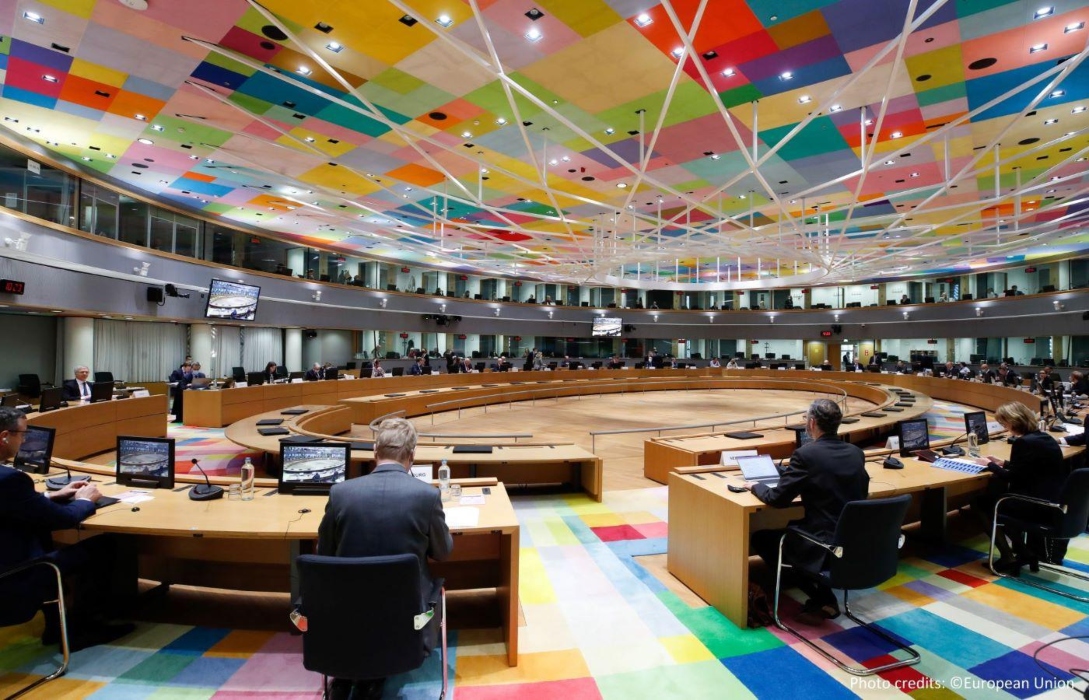
The question is which exemptions will survive the European screening process—and which will be first in line for the fiscal axe.

This version is written in the style of a premium EU policy and financial affairs publication, combining political context, fiscal analysis and strong news-driven language.
Διαβάστε όλες τις τελευταίες Ειδήσεις από την Ελλάδα και τον Κόσμο