High-level negotiations underway
The Axios reports that the United States and Iran are discussing a draft framework that could involve the release of around $20 billion in frozen Iranian funds in exchange for Iran handing over its stockpile of enriched uranium.
The proposal is based on information from U.S. officials and additional sources briefed on the negotiations.
The nuclear core of the deal
At the center of the talks is Washington’s priority: preventing Iran from maintaining access to significant quantities of enriched uranium.
Key figures cited in discussions include:
- roughly 2,000 kg of enriched uranium total stockpile
- about 450 kg enriched up to 60% purity, a level close to weapons-grade capability
U.S. officials reportedly view the removal or transfer of this material as essential to preventing further nuclear escalation.
Diplomatic momentum and potential talks
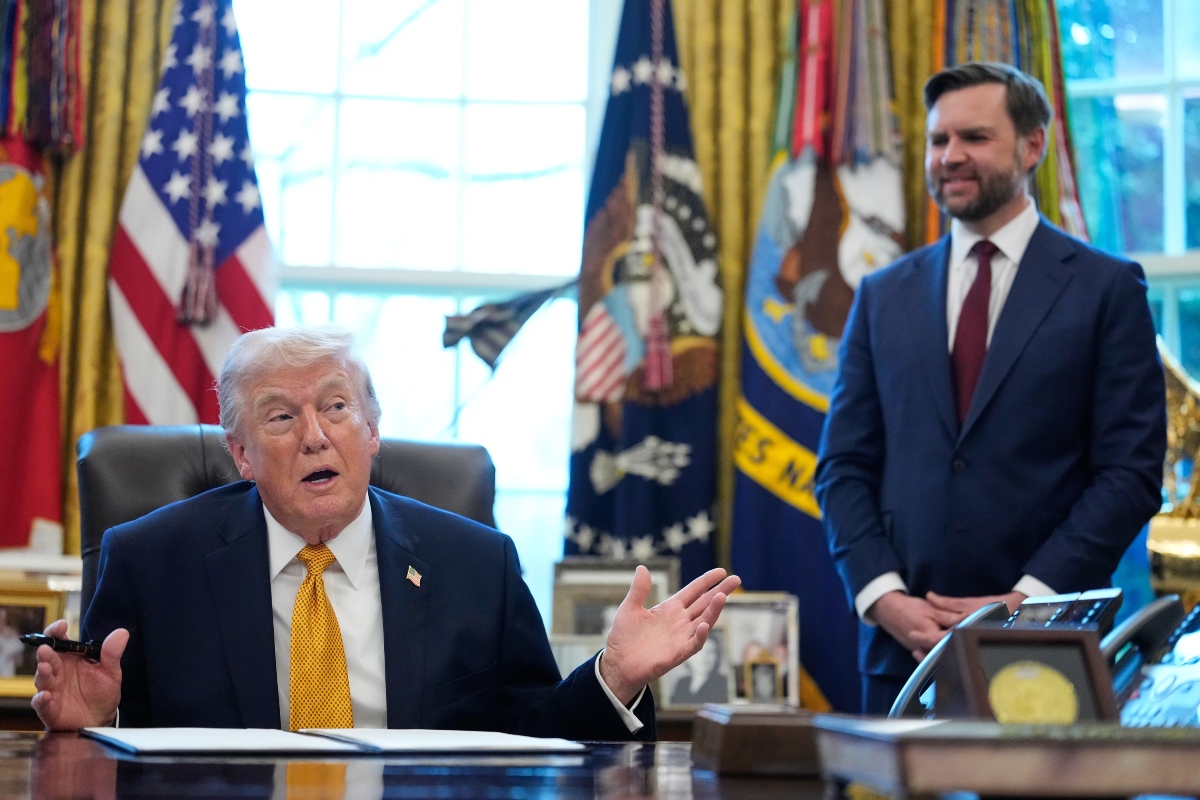
According to reports, President Donald Trump said U.S. and Iranian negotiators are likely to meet again soon for a second round of talks aimed at finalizing a broader agreement.
The next round is expected to take place in Islamabad, potentially with mediation support from Pakistan, while Egypt and Turkey are reportedly involved in back-channel diplomatic efforts.

A transactional path to de-escalation
The emerging framework is described as a three-page draft plan that reflects a transactional approach:
- financial relief through frozen asset release
- nuclear de-escalation via uranium transfer or surrender
- gradual steps toward ending the broader conflict dynamics
Officials involved in the talks reportedly say progress has been made, though major gaps still remain between the two sides.
Political risks and backlash
Despite diplomatic movement, the potential deal is expected to face strong political resistance in the United States.
Critics argue that releasing frozen Iranian assets could:
- weaken sanctions policy
- reward Tehran financially
- set a controversial precedent in nuclear negotiations
At the same time, supporters see it as a pragmatic path to avoid further military escalation in the Middle East.

Geopolitical implications
If implemented, the agreement would mark a significant shift in U.S. strategy toward Iran:
- from maximum pressure to conditional economic engagement
- from containment to negotiated nuclear rollback
- from escalation risk to managed de-escalation
However, analysts warn that unresolved structural mistrust between Washington and Tehran could still derail the process.
The proposed US–Iran framework illustrates a high-risk diplomatic balancing act: trading economic concessions for nuclear restraint. While it may offer a pathway to short-term stabilization, it remains politically fragile and strategically contested.
Source: pagenews.gr