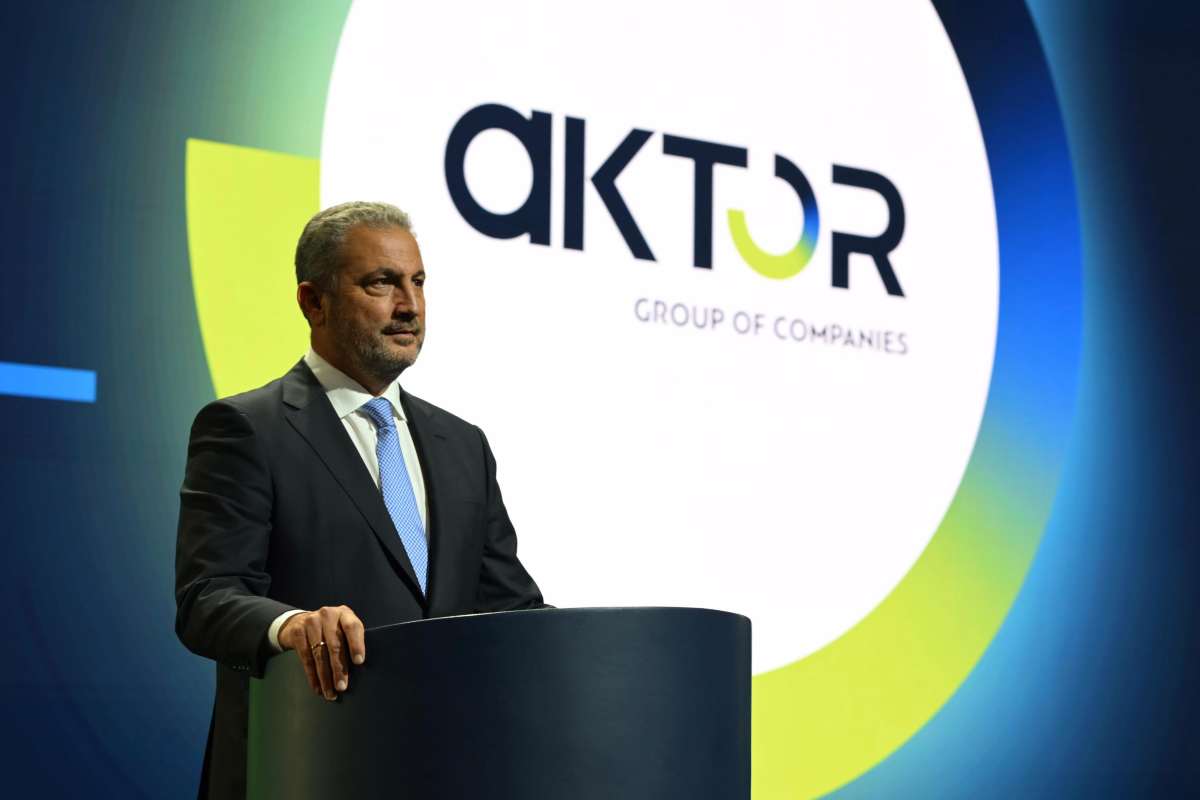
The AKTOR Group has entered the most ambitious phase of its corporate development, unveiling a comprehensive strategic financing program designed to reshape its business model and strengthen its position as one of Southeast Europe’s leading infrastructure and energy groups.
At the core of the initiative is a €650 million Share Capital Increase, complemented by a €300 million bond issuance, providing access to up to €1 billion in fresh capital.
The financing package will accelerate the implementation of AKTOR’s €3 billion investment plan through 2031, transforming the Group from a construction-focused company into a fully integrated infrastructure platform with strong positions in concessions, renewable energy, LNG and strategic energy infrastructure.
A New Infrastructure and Energy Strategy
AKTOR is restructuring its business model around four strategic pillars:
- Construction
- Concessions & Public-Private Partnerships (PPPs)
- Renewable Energy Sources (RES)
- Liquefied Natural Gas (LNG)
The objective is to increase recurring revenues while reducing dependence on the cyclical nature of construction activities.
Upon completion of the financing program, AKTOR is expected to become the strongest capitalized infrastructure group in Southeast Europe, significantly enhancing its financial flexibility and expanding its presence in international capital markets.
Up to €1.5 Billion Raised Within Four Years
Following the completion of the capital increase and bond issuance, AKTOR is expected to have raised approximately €1.5 billion over a four-year period through equity offerings and debt financing.
The strategy aims to accelerate investment execution while broadening the company’s international shareholder base and strengthening its global investment profile.
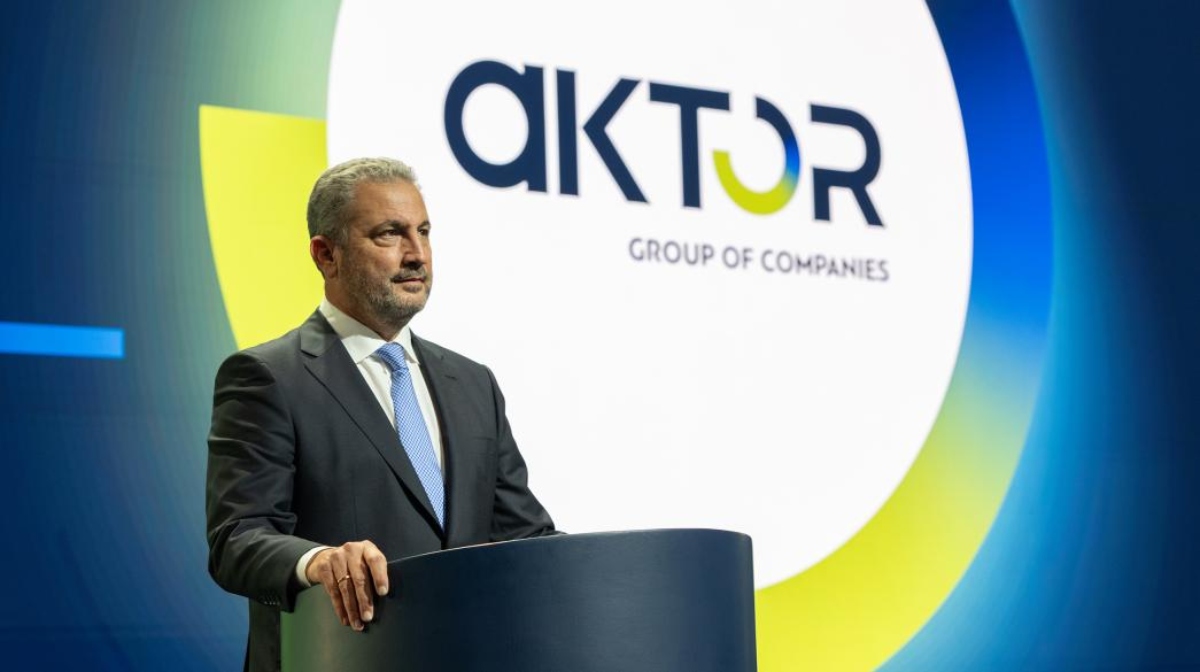

Three Strategic Growth Engines
LNG: Investing in Europe’s Energy Security
One of the Group’s most significant strategic shifts concerns the LNG sector.
AKTOR plans major investments in LNG transportation, storage and regasification infrastructure, supported by long-term commercial agreements securing approximately €9 billion in contracted revenues between 2030 and 2050.
The strategy includes:
- Approximately €200 million in investments
- Development of a Floating Storage and Regasification Unit (FSRU) in Greece
- Construction of a natural gas-fired power plant in Albania
- Existing commercial LNG agreements totaling 1.5 bcm
- Targeted expansion to an additional 5 bcm
The LNG business is expected to generate long-term EBITDA of €75–125 million.
Concessions & PPPs: Building Long-Term Cash Flows
Infrastructure concessions are becoming one of AKTOR’s primary sources of predictable revenues.
The Group plans approximately €900 million of investments in PPP and concession projects, including:
- Northern Crete Motorway (BOAK)
- Pylia Road Project
- University Student Housing in Crete
- Tavropos Irrigation PPP
Most of these assets are expected to become operational between 2028 and 2029, with concession periods ranging from 25 to 30 years.
AKTOR also plans to expand its concessions portfolio beyond Greece, including additional projects outside Romania.
Long-term EBITDA from this business is projected at €100–150 million.
Renewable Energy: Scaling the Green Portfolio
AKTOR is also accelerating its renewable energy strategy.
The Group aims to develop a renewable energy and energy storage portfolio totaling 1.1–1.2 GW by 2031.
Currently, 97% of its operating renewable assets benefit from contracted feed-in tariffs, providing strong revenue visibility.
The investment strategy includes:
- Solar energy
- Wind power
- Battery Energy Storage Systems (BESS)
- Expansion into electricity retail
- International energy storage projects
Total investments are expected to reach €1.1 billion, with projected EBITDA of €125–175 million.
Installed renewable capacity is expected to increase from approximately 515 MW by the end of 2026 to 1.2 GW by 2031
Construction Remains the Foundation
Despite its strategic diversification, construction remains at the heart of AKTOR’s business model.
The Group currently holds a construction backlog of approximately €4.7 billion, providing significant revenue visibility for the coming years.
AKTOR continues to invest in digital construction technologies to improve project management, cost control and operating margins
Backed by Global Financial Institutions
The financing plan has received strong backing from leading international investment banks.
The Share Capital Increase is underwritten by:
- Bank of America Securities Europe
- Goldman Sachs Bank Europe
- UBS Europe
Meanwhile, UBS Europe will also underwrite the Group’s bond issuance.
The capital increase will be allocated:
- 80% to international institutional investors
- 20% to Greek investors
Strong Commitment from Major Shareholders
AKTOR’s principal shareholders, WINEX Investments Limited and Castellano Properties Limited, have expressed their intention to participate in the Share Capital Increase with investments totaling up to €300 million, reinforcing confidence in the Group’s long-term strategy.
Financial Targets Through 2031
Medium-term targets
- Revenue: €2.3–2.8 billion
- EBITDA: €375–425 million
Long-term targets
- Revenue: €4.5–5.0 billion
- EBITDA: €600–650 million
Approximately 60% of EBITDA is expected to come from businesses generating stable, recurring cash flows, primarily concessions and energy.
AKTOR’s investment strategy reflects the broader transformation of Europe’s energy and infrastructure landscape.
Following years of geopolitical instability and supply-chain disruptions, energy security, LNG infrastructure, renewable energy expansion and resilient transport networks have become central pillars of European economic policy.
By simultaneously investing in LNG, renewable energy, energy storage and long-term infrastructure concessions, AKTOR is positioning itself at the intersection of Europe’s energy transition and its growing emphasis on strategic autonomy.
Beyond corporate expansion, the Group’s strategy aligns with the European Union’s priorities for energy diversification, infrastructure resilience, decarbonization and regional connectivity, reinforcing Southeast Europe’s role as an increasingly important energy and logistics hub connecting the Eastern Mediterranean with the wider European market.
Source: pagenews.gr