The Greek government has unveiled plans to fundamentally change the way municipal charges are collected, signaling the end of a system that has linked local government revenues to electricity bills for decades.
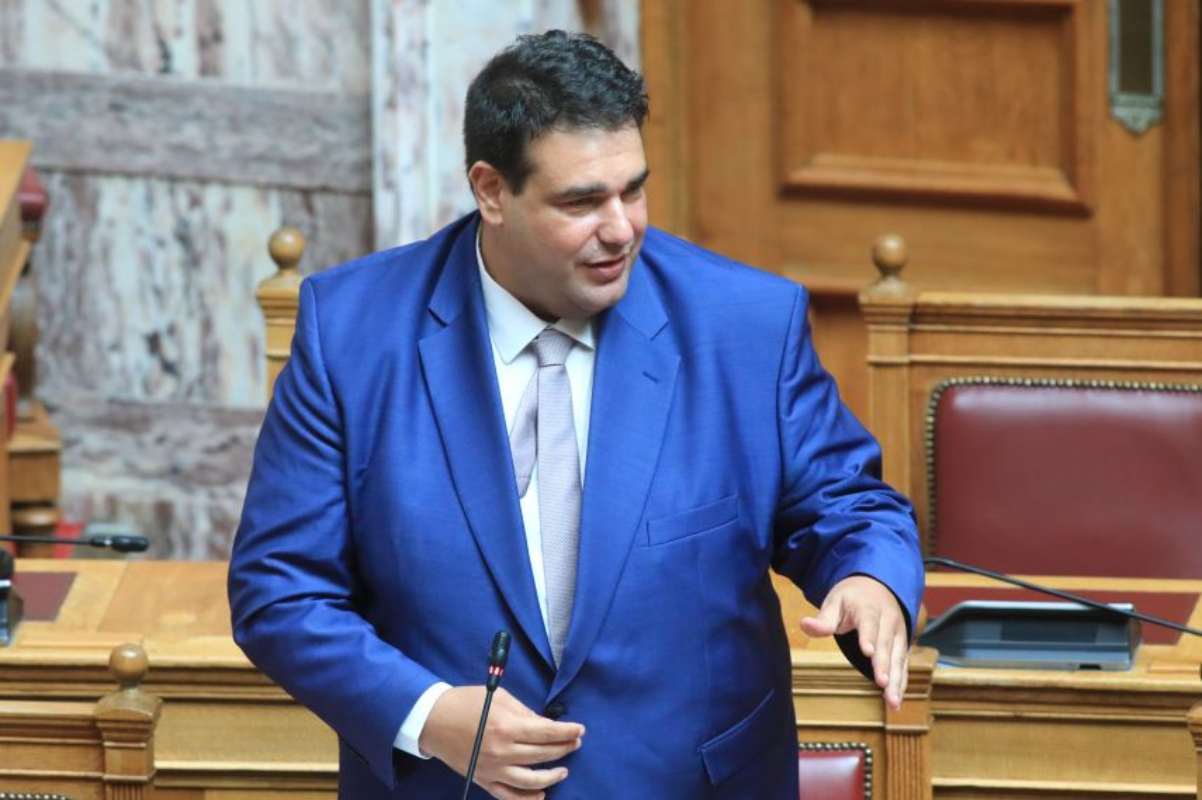
Speaking during parliamentary debate on the new Local Government Code, Interior Minister Theodoros Livanios announced that the government will introduce legislation enabling municipal fees to be collected independently of electricity providers through a new digital collection mechanism.
The reform is expected to become operational on 1 January 2028, following the development of the necessary digital infrastructure and administrative systems.
A Structural Reform Affecting Virtually Every Household
The significance of the reform extends well beyond local government finances.
Nearly every household and business in Greece currently pays municipal cleaning and lighting fees, municipal taxes and the municipal property levy (TAP) through electricity bills, regardless of the electricity supplier.
As a result, energy companies have effectively acted as collection agents for local authorities—an arrangement that government officials argue no longer reflects the needs of a modern digital state.
Under the new model, municipal charges are expected to be billed separately through a centralized digital system resembling Greece’s annual property tax (ENFIA), with taxpayers likely able to pay the amount in 12 monthly installments.
Separating Energy Policy from Municipal Taxation
According to Livanios, the proposal responds to long-standing requests from both municipalities and electricity suppliers.
The government’s objective is not to alter the amount of municipal charges but to separate local taxation from electricity consumption, making utility bills more transparent while simplifying administrative responsibilities.
Political observers view the initiative as an effort to clearly distinguish between energy costs and local government taxation, allowing consumers to better understand what they are paying for.


A New Phase of Digital Public Administration
The reform also forms part of Greece’s wider digital transformation agenda.
Implementing the new collection system will require extensive interoperability between:
- municipalities;
- the Independent Authority for Public Revenue (AADE);
- the Ministry of Interior;
- the Ministry of Digital Governance;
- the Ministry of National Economy and Finance;
- the Hellenic Cadastre; and
- electricity network databases.
From a public administration perspective, the project represents one of the largest digital integration efforts ever undertaken within Greece’s local government sector.
Bringing Greece Closer to European Practice
The current Greek model—where municipal charges are embedded in electricity bills—is relatively uncommon across Europe.
In many EU member states, local taxes and municipal service charges are collected directly by municipalities or through national tax administrations rather than utility providers.
Government officials argue that separating municipal taxation from electricity billing will bring Greece’s administrative framework closer to broader European practices, while improving transparency and accountability in both the energy and local government sectors.
The Political Dimension
Beyond its administrative implications, the reform carries broader political significance.
According to political assessments, the Mitsotakis government is seeking to reinforce its broader narrative of state modernization through institutional reforms rather than solely through fiscal measures.
The proposal also reflects an effort to redefine the relationship between central government, municipalities and citizens by introducing clearer institutional responsibilities and reducing administrative overlap.
Rather than presenting another tax initiative, the government is framing the reform as a modernization of public governance designed to improve efficiency and transparency.


A Four-Year Transition
Officials stress that nothing will change immediately for consumers.
The lengthy transition period until 2028 highlights both the technical complexity and the institutional scale of the reform.
Developing a new nationwide digital platform, integrating multiple government databases and ensuring uninterrupted municipal revenue collection will be critical prerequisites before the system can become fully operational.
If implemented according to schedule, the reform will mark the end of a decades-old administrative model and establish a new framework separating energy billing from local taxation.
More broadly, it represents another step in Greece’s ongoing effort to modernize public administration through digital governance, clearer institutional accountability and closer alignment with European administrative standards.