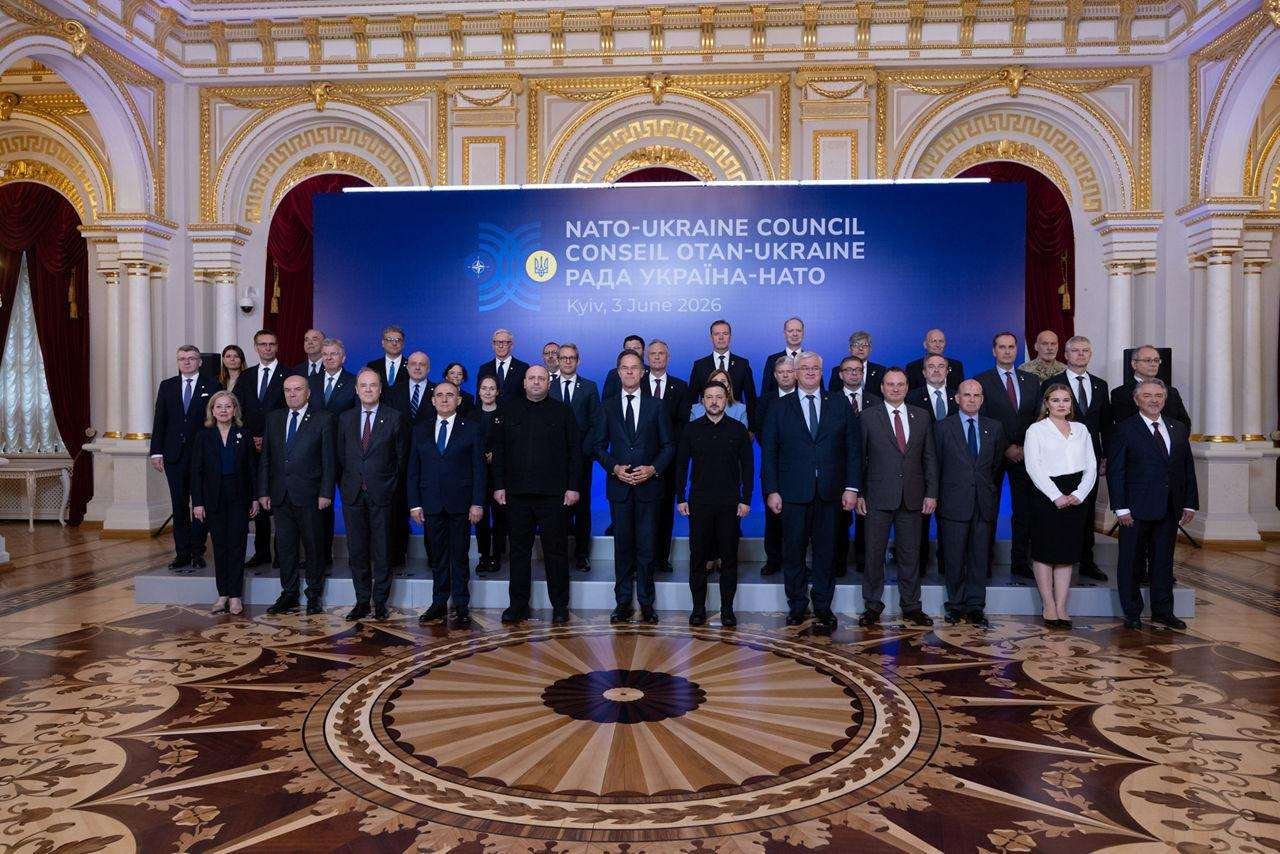
As NATO and the European Union move from emergency assistance to long-term strategic support for Ukraine, the debate is no longer centred on whether Kyiv should continue receiving military assistance, but increasingly on how Europe will finance it.
Within this context, Greece has entered negotiations with NATO over the structure of its expected financial contribution to Ukraine. According to NATO calculations, Athens is expected to provide approximately €600 million in support. Rather than questioning the necessity of continued assistance, the Greek government is proposing that the contribution be paid in three or four annual instalments, reducing the immediate fiscal burden while maintaining its commitments to the Alliance.
The negotiations illustrate a wider challenge facing European governments as they attempt to reconcile growing security obligations with increasingly constrained public finances.
Budgetary Pressures Reshape Defence Priorities
The Greek proposal reflects the fiscal realities confronting many European economies.
The 2026 budget cycle is expected to be particularly demanding, as governments simultaneously increase defence expenditure, invest in energy security, finance industrial competitiveness and address the economic consequences of continuing geopolitical instability in both Eastern Europe and the Middle East.
For Athens, distributing the Ukrainian contribution over several years would preserve fiscal flexibility without undermining Greece’s credibility within NATO or the European Union.
The proposal also comes as many European governments reassess the sustainability of long-term military commitments in an increasingly volatile geopolitical environment.


PURL and NATO’s Evolving Military Support Framework
Greece’s financial commitments extend well beyond the proposed €600 million contribution.
Athens already participates in the Prioritized Ukraine Requirements List (PURL), NATO’s coordinated funding mechanism designed to finance priority military requirements for Ukraine, including the procurement of U.S.-manufactured defence systems.
Greece contributed approximately €20 million to the programme in 2025 and is expected to increase its participation during 2026 as Allied commitments continue to expand.
Simultaneously, Greece contributes indirectly through broader European Union financial instruments supporting Ukraine, adding another layer of fiscal responsibility.
Rutte’s Proposal Could Redefine Allied Commitments
A key issue expected to dominate future NATO discussions is the proposal put forward by Secretary General Mark Rutte, suggesting that member states allocate approximately 0.25% of GDP annually toward long-term support for Ukraine.
The initiative seeks to transform ad hoc assistance into a predictable and institutionalised financing mechanism.
However, several European governments—including Greece—have expressed reservations, arguing that permanent funding obligations would arrive precisely as NATO members are already increasing defence spending under the Alliance’s revised capability targets while simultaneously implementing ambitious European defence industrial programmes.
For many capitals, the challenge is no longer political willingness but fiscal capacity.
Patriot Systems Remain Off the Table
Alongside financial negotiations, Greece continues to face requests for additional military assistance.
Particular attention remains focused on Patriot air defence systems, which Ukraine continues to regard as essential for protecting critical infrastructure against Russian missile attacks.
Athens has repeatedly rejected requests to transfer Patriot batteries, maintaining that they remain indispensable components of Greece’s national air defence architecture, especially as the country modernises its integrated air and missile defence network.
Instead, Greece continues supplying ammunition and legacy military equipment that is no longer considered operationally essential for its own armed forces.


Defence Industrial Cooperation Continues
Despite recent tensions surrounding bilateral defence cooperation, Athens and Kyiv continue exploring opportunities for joint industrial projects.
Among them is the proposed co-development of Unmanned Surface Vessels (USVs), a project that had stalled because of licensing and technology transfer issues before later political complications further delayed negotiations.
Recent discussions between Prime Minister Kyriakos Mitsotakis and President Volodymyr Zelenskyy suggest that both governments remain interested in preserving cooperation in emerging defence technologies despite earlier setbacks.
Europe Is Moving Toward Permanent Defence Financing
The Greek negotiations highlight a much broader transformation taking place across Europe.
Since Russia’s full-scale invasion of Ukraine, both NATO and the European Union have gradually shifted from emergency military assistance toward constructing long-term institutional mechanisms capable of sustaining Ukraine’s defence over many years.
This evolution represents one of the most significant changes in European security policy since the end of the Cold War.
Rather than relying solely on extraordinary aid packages, Western governments are increasingly designing permanent financial frameworks that integrate defence spending, industrial production, military procurement and strategic assistance into national budget planning.
For Greece, this transition creates a particularly delicate balancing act. As one of NATO’s highest defence spenders relative to GDP, Athens is simultaneously modernising its own armed forces, participating in major European defence initiatives and contributing to Ukraine’s military support.
Its proposal to spread the €600 million contribution over several years therefore reflects not reluctance toward supporting Ukraine, but an effort to reconcile alliance solidarity with long-term fiscal sustainability.
More broadly, the Greek position mirrors concerns shared by several European governments: maintaining political unity behind Ukraine while ensuring that expanding security commitments remain economically sustainable over the coming decade.
The coming months are likely to determine the future architecture of Western support for Ukraine.
Debates over NATO financing mechanisms, the implementation of Secretary General Mark Rutte’s proposal and broader European defence investment strategies will shape how allies institutionalise military assistance beyond the current conflict.
For Greece, the challenge will be maintaining its reputation as a reliable NATO ally while preserving fiscal flexibility and safeguarding its own national defence priorities in an increasingly uncertain geopolitical environment.
The negotiations underway in Brussels therefore represent more than a budgetary discussion—they reflect Europe’s transition toward a new security model in which defence financing is becoming a permanent component of economic governance and strategic policy.
Source: pagenews.gr