Greece–Cyprus Power Link Sparks Political Clash as PASOK Demands Clear Position from ELAS on Turkey
 ΧΡΟΝΟΣ ΑΝΑΓΝΩΣΗΣ 6 '
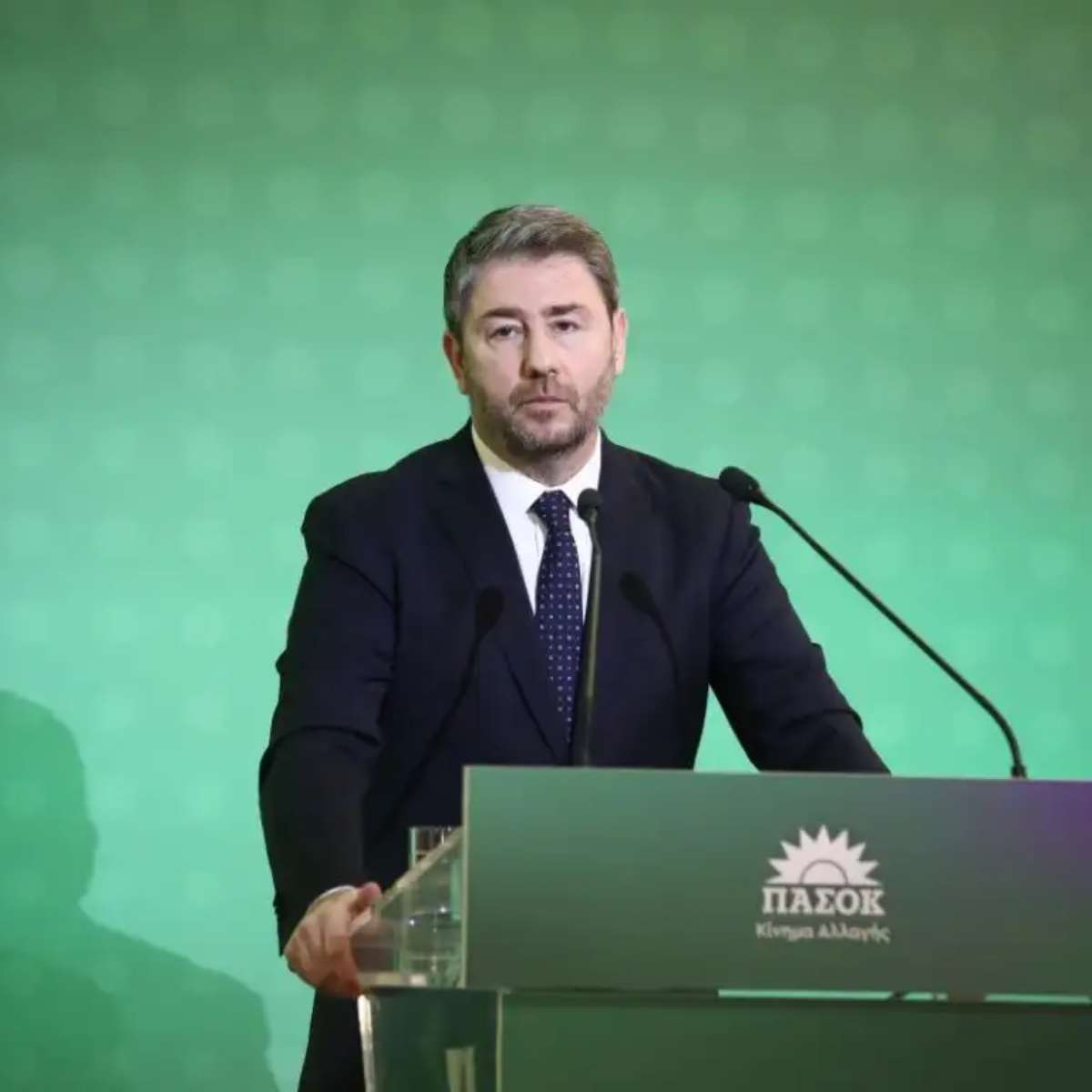
Πηγή Φωτογραφίας: eurokinissi//Greece–Cyprus Power Link Sparks Political Clash as PASOK Demands Clear Position from ELAS on Turkey



One of the European Union’s most strategic energy infrastructure projects has unexpectedly become the focus of a new political confrontation in Greece.
The Great Sea Interconnector, the submarine electricity cable linking Greece and Cyprus, has moved beyond the realm of energy policy to become a test of political positioning on national sovereignty and regional geopolitics.
The dispute was triggered by comments from Nikos Bistis, a senior figure associated with ELAS, who described the cable-laying project as a “unilateral action”, while criticizing PASOK’s position on national issues and its demand that the government publish a clear timetable for completing the project.
PASOK responded sharply, calling on ELAS to clarify whether it believes that a European strategic infrastructure project requires Turkey’s consent before it can proceed.
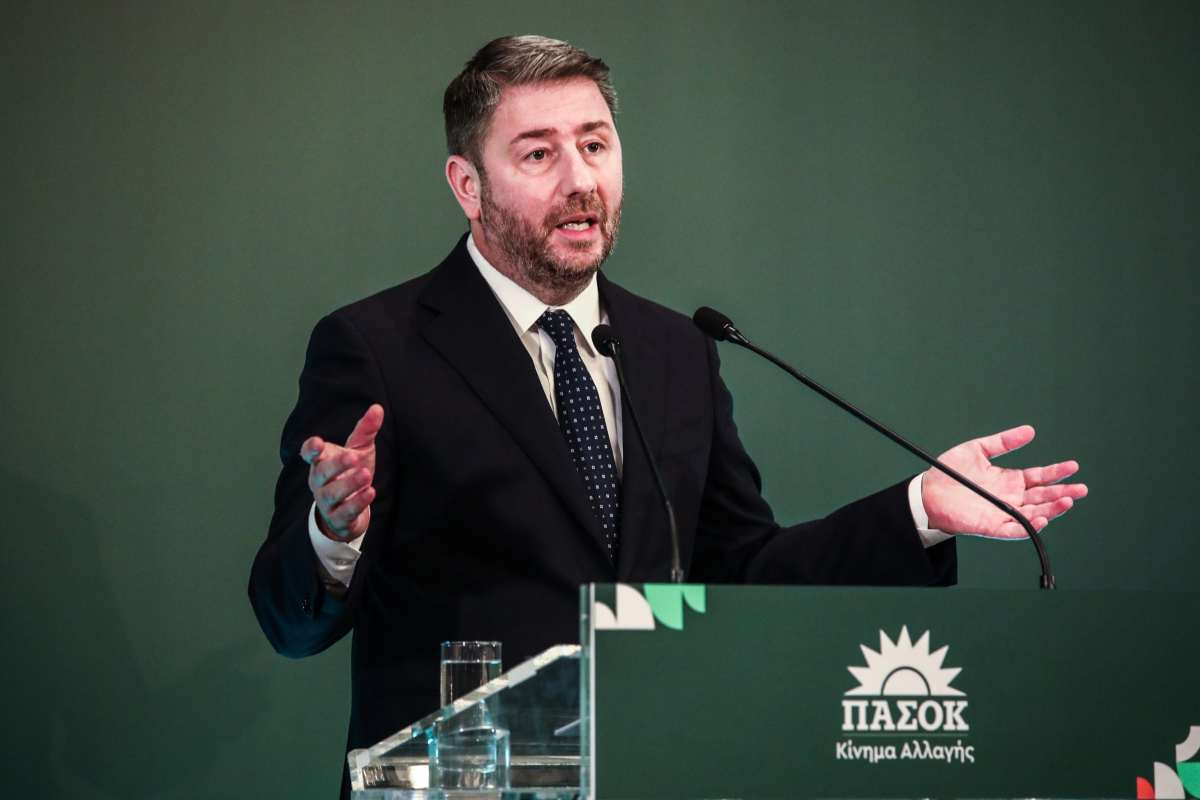
PASOK: “The project is not subject to Turkish approval”
In an unusually forceful statement, PASOK stressed that the Great Sea Interconnector is a European Project of Common Interest (PCI) implemented under the framework of the United Nations Convention on the Law of the Sea (UNCLOS) and European Union legislation.
According to the party, describing the project as a unilateral initiative fundamentally misrepresents both its legal basis and its strategic significance.
PASOK publicly challenged ELAS with two direct questions:
- Does ELAS oppose the continuation of the Greece–Cyprus electricity interconnection?
- Does ELAS believe that the implementation of a European infrastructure project depends on Turkey’s approval or authorization?
The party also requested clarification regarding Nikos Bistis’ references to “win-win solutions” in the Eastern Mediterranean.
The statement concluded with a pointed political question:
“Is this the new patriotism that Alexis Tsipras speaks about?”
Androulakis: “The interconnector is also about our sovereign rights”
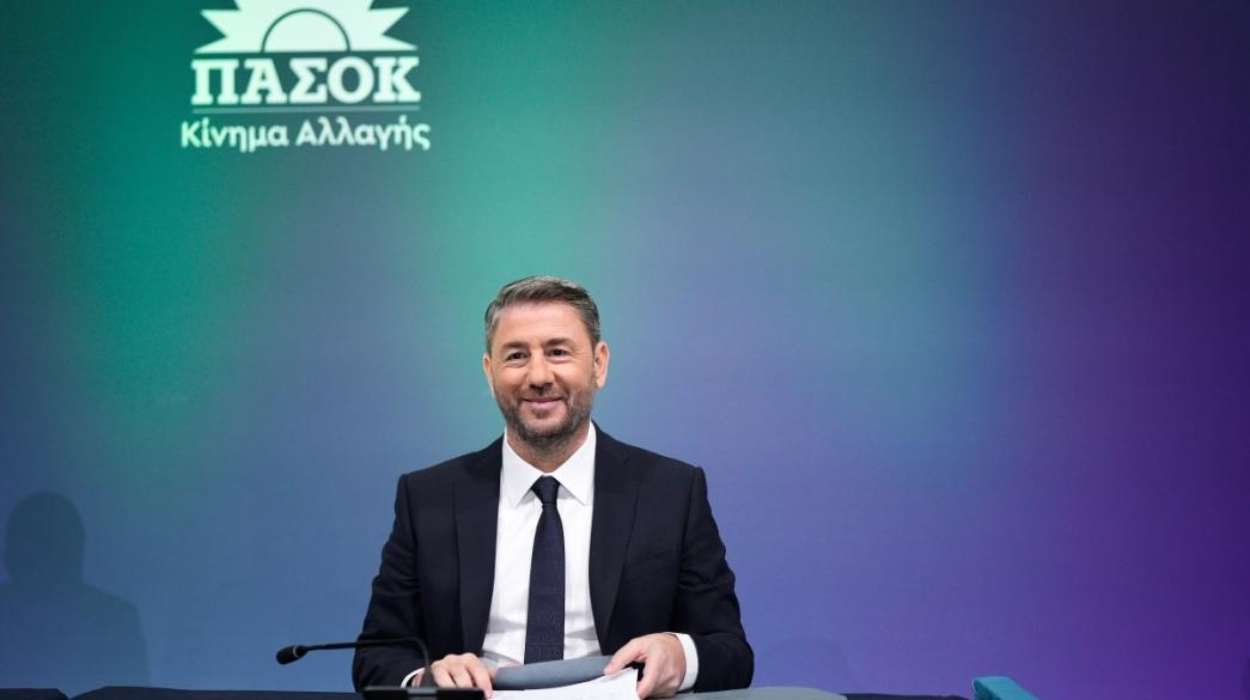
PASOK President Nikos Androulakis has repeatedly called on the Greek government to present a clear implementation timetable for the project, arguing that it represents far more than an energy investment.
Speaking publicly on the issue, Androulakis stated:
“The country has committed significant European and national resources. I asked the Prime Minister, the Minister of Foreign Affairs and the Minister of Defence for a concrete timetable for completing the project, and I received no answer. This is not merely an economic issue—it also concerns our sovereign rights.”
He argues that Parliament and the public deserve greater transparency regarding a project that has become central to the European Union’s long-term energy strategy in the Eastern Mediterranean.
ELAS’ Position Through Nikos Bistis’ Intervention
The political controversy emerged after Nikos Bistis described the cable-laying process as “a unilateral action”, suggesting that Greece should pursue a broader diplomatic framework in the Eastern Mediterranean rather than relying solely on infrastructure initiatives.
Bistis also referred to the need for “win-win solutions” in Greek-Turkish relations, although he did not elaborate on how such an approach would apply specifically to the electricity interconnection project.
His comments immediately prompted PASOK to ask whether these views represent the official position of ELAS or merely his personal opinion.
So far, ELAS has not issued an official statement either endorsing or distancing itself from Bistis’ remarks.
A Strategic European Energy Project
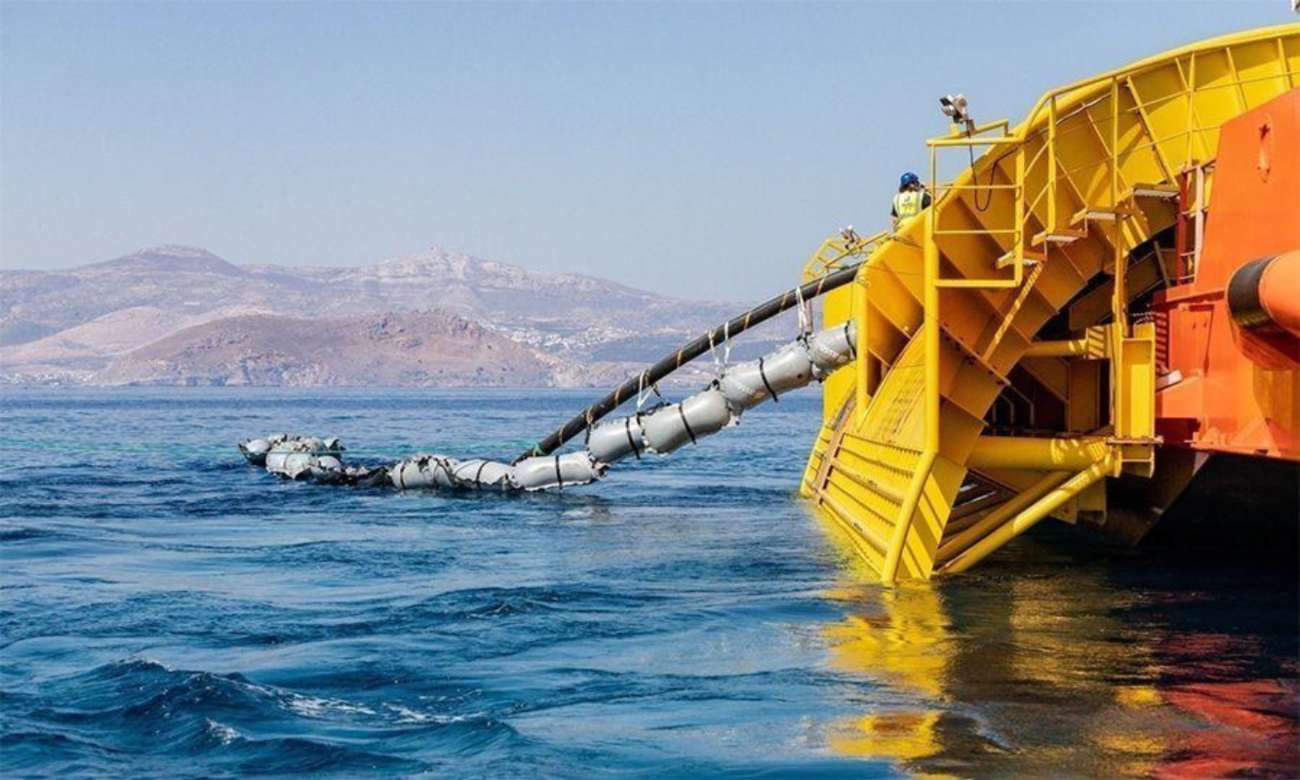
The Great Sea Interconnector is one of the European Union’s flagship energy infrastructure initiatives.
Once completed, it will:
- connect Cyprus to the European electricity grid for the first time;
- end Cyprus’ long-standing energy isolation;
- strengthen energy security across the Eastern Mediterranean;
- facilitate greater integration of renewable energy;
- support the EU’s broader strategy of diversifying critical energy infrastructure.
For Brussels, the project is not simply a bilateral initiative between Greece and Cyprus but an essential component of the European Energy Union.
The Turkish Dimension
Turkey has repeatedly objected to the planned cable route, arguing that parts of the project pass through maritime areas where Ankara claims jurisdiction based on its interpretation of maritime boundaries and the Turkey-Libya maritime memorandum.
Athens rejects these claims, maintaining that the project is fully consistent with international maritime law, European legislation and internationally recognized sovereign rights.
For Greece, no third country possesses legal authority to approve or block an EU infrastructure project implemented under international law.
The Real Debate Concerns Greece’s Strategic Doctrine
Behind the political rhetoric lies a far broader strategic debate.
PASOK seeks to position itself as the political force that unequivocally supports European strategic infrastructure while rejecting any linkage between sovereign infrastructure projects and Turkish geopolitical demands.
Conversely, Nikos Bistis’ intervention has opened discussion over whether major regional energy projects should be incorporated into a broader framework of Greek-Turkish dialogue and regional de-escalation.
The issue carries additional political significance because Alexis Tsipras has recently promoted the concept of a “new patriotism”, although ELAS has yet to articulate an official and comprehensive position on the Great Sea Interconnector itself.
The controversy therefore extends well beyond domestic politics, touching upon Greece’s long-term geopolitical strategy in the Eastern Mediterranean.
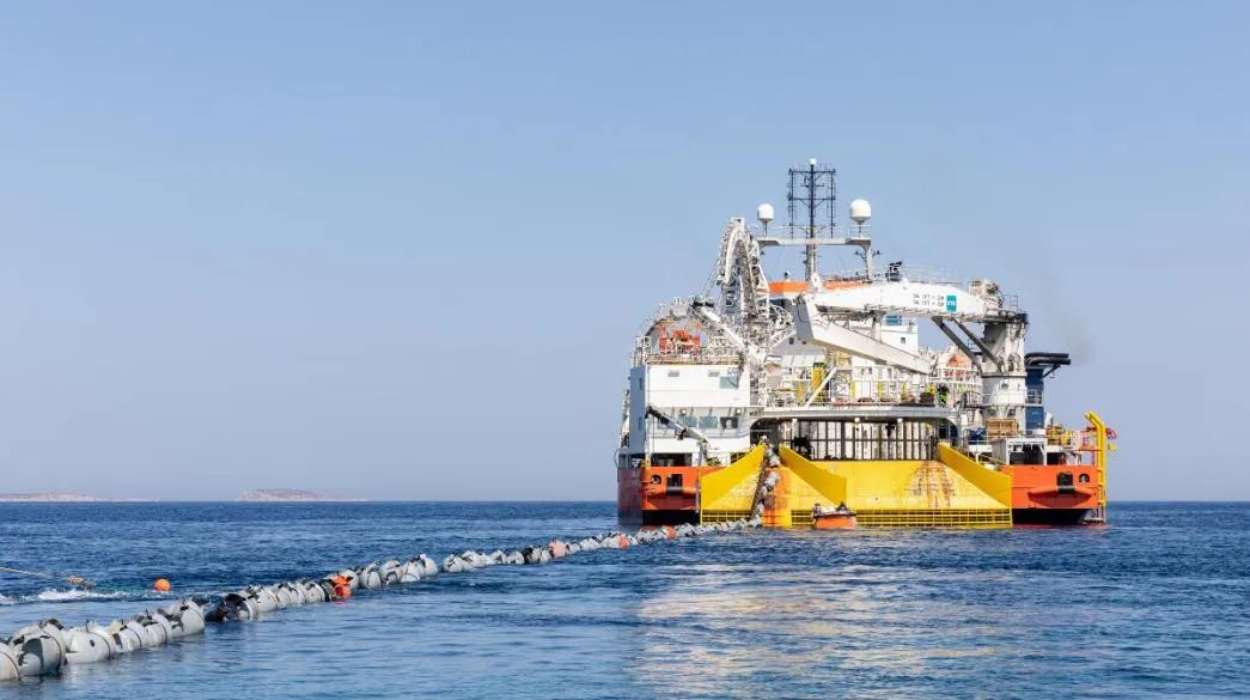
The Greece–Cyprus electricity interconnection has evolved into far more than an energy infrastructure project.
It now stands at the intersection of energy policy, foreign policy, European strategic planning and regional geopolitics.
The coming months will determine not only the future of the Great Sea Interconnector but also how Greece intends to defend its sovereign rights while advancing strategic European infrastructure projects in an increasingly contested Eastern Mediterranean.
Ultimately, the debate surrounding the interconnector reflects a broader question confronting Europe itself: how to secure critical energy infrastructure while navigating an increasingly complex geopolitical environment shaped by competing regional powers and strategic maritime disputes.
Source: pagenews.gr
Διαβάστε όλες τις τελευταίες Ειδήσεις από την Ελλάδα και τον Κόσμο