Foreign Policy Becomes a Central Political Battleground
Foreign policy has emerged as one of the defining fronts of political confrontation in Greece, with the government highlighting diplomacy, defense modernization and strategic alliances as core achievements of its administration.
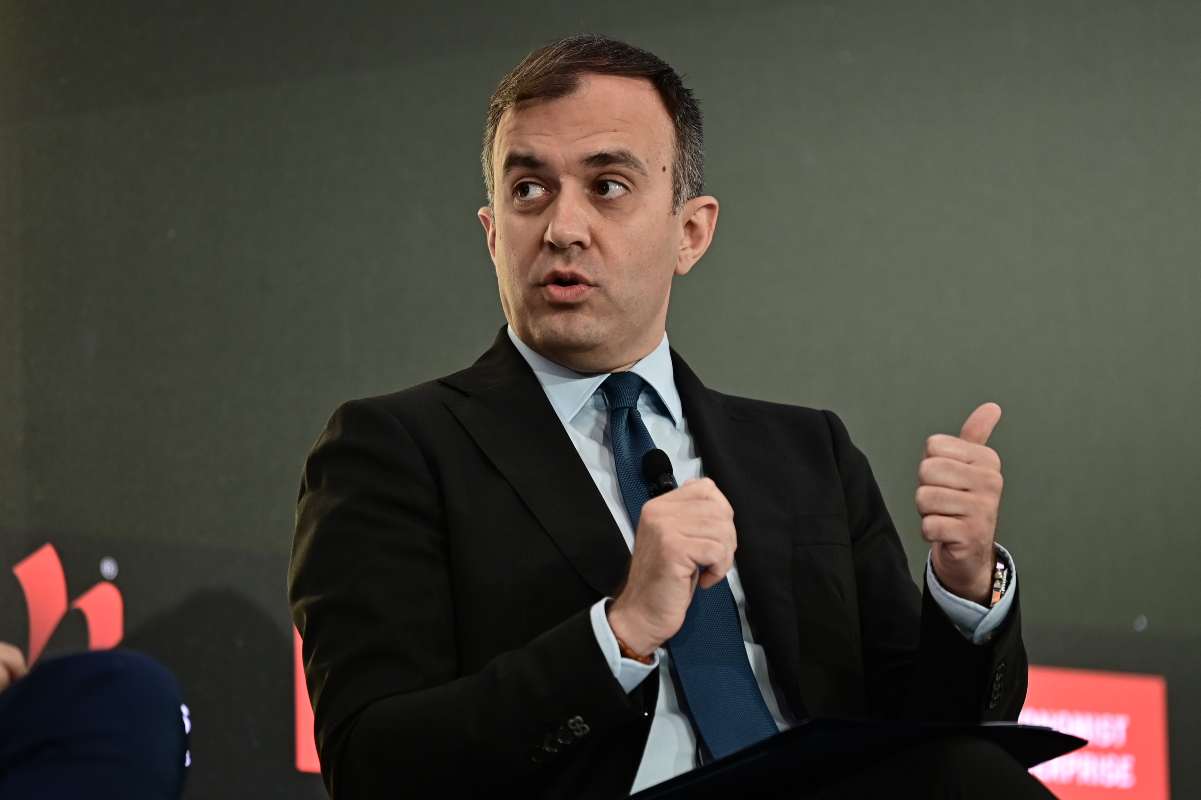
Speaking to ERTnews Radio 105.8 FM, Deputy Foreign Minister Tassos Hatzivassiliou rejected claims by former Prime Minister Alexis Tsipras that Greece has suffered a “national defeat” in foreign affairs, arguing instead that the country’s international position has never been stronger.
“The opposition should decide whether it supports Greece’s diplomatic upgrade and the strengthening of the country’s defense capabilities,” Hatzivassiliou said, framing the debate as a broader question of national strategy rather than partisan politics.
“Turkey Is Seeking Today What Greece Has Already Secured”
At the heart of Hatzivassiliou’s intervention were Greece’s relations with Turkey and the evolving strategic landscape in the Eastern Mediterranean.
“Turkey today is trying to obtain what Greece has already secured,” he stated, arguing that Athens has successfully consolidated diplomatic and strategic gains while Ankara continues to seek improved relations with both the European Union and its Western allies.
To support his argument, Hatzivassiliou pointed to a series of major defense and diplomatic achievements, including Greece’s acquisition of French Rafale fighter jets, its participation in the F-35 fighter program, expanded defense agreements with France and the United States, the implementation of Greece’s maritime spatial planning framework, and the incorporation of Greece’s potential continental shelf boundaries into official European Union documents.
According to the government, these initiatives represent a comprehensive strategy aimed at strengthening Greece’s deterrence capabilities while reinforcing its geopolitical influence.
A Proactive Rather Than Reactive Foreign Policy
Responding directly to opposition criticism, Hatzivassiliou argued that the Mitsotakis administration has fundamentally changed the way Greece conducts foreign policy.
“The Mitsotakis government does not simply observe international developments. It acts proactively, strengthening both the Armed Forces and Greece’s international standing,” he said.
This reflects Athens’ broader objective of presenting Greece as a reliable NATO ally, a credible European partner and a pillar of stability in a region increasingly shaped by geopolitical competition, energy security concerns and regional conflicts.
SAFE and the European Defense Debate
Hatzivassiliou also highlighted what the government considers a significant diplomatic success during negotiations over the European Union’s SAFE defense financing mechanism.
He credited Foreign Minister Giorgos Gerapetritis with securing the principle of unanimity, ensuring that Turkey cannot benefit from European defense funding while it continues to occupy part of the Republic of Cyprus and maintains its longstanding casus belli against Greece.
From Athens’ perspective, this represents an important diplomatic achievement because it links participation in European defense initiatives to respect for international law and the interests of EU member states.

Cyprus Remains at the Core of Greek Foreign Policy
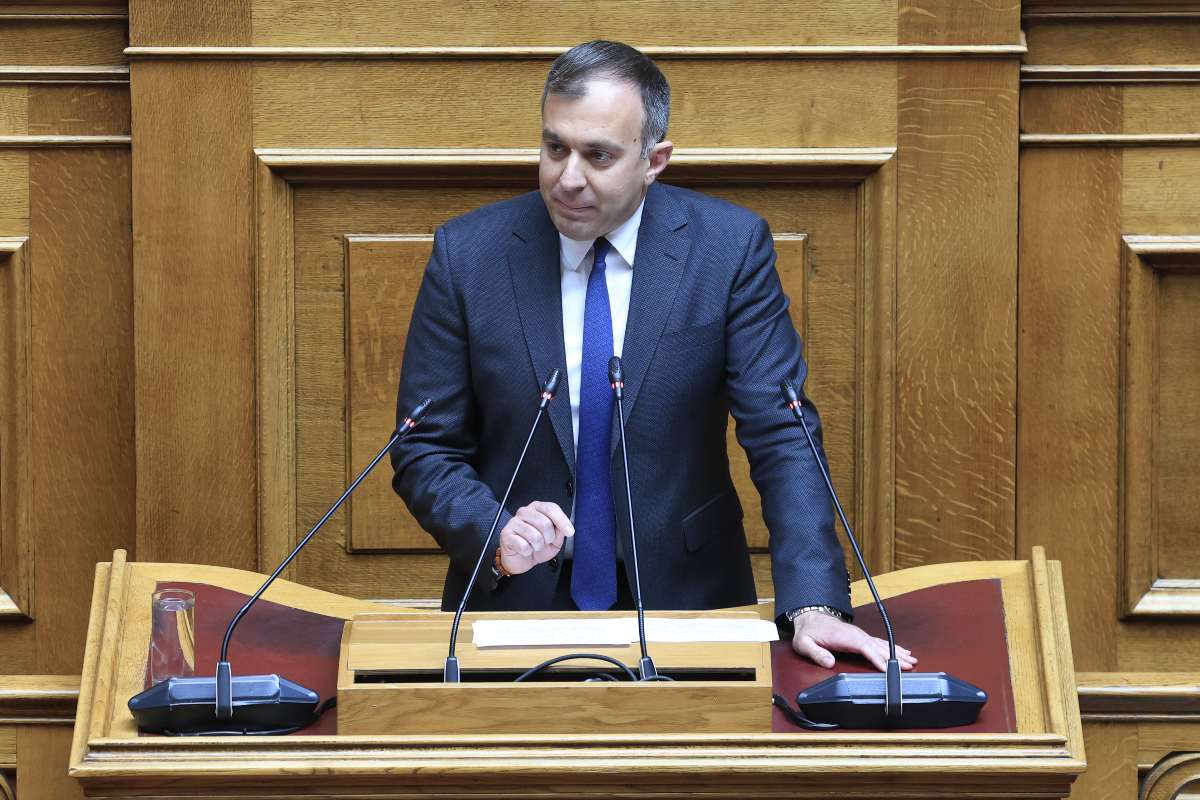
Marking the 52nd anniversary of Turkey’s 1974 invasion of Cyprus, Hatzivassiliou reaffirmed Greece’s unwavering alignment with the Republic of Cyprus.
“Greece, in close coordination with Cyprus, remains committed to a comprehensive settlement based on a bi-zonal, bi-communal federation, in accordance with United Nations Security Council resolutions,” he said.
He also reiterated that a two-state solution is unacceptable, stressing that such a proposal is rejected not only by Athens and Nicosia but also by the United Nations and the European Union.
The Cyprus issue, he argued, continues to represent a matter of international law rather than merely a bilateral dispute.
Middle East Stability and Energy Security
Turning to developments in the Middle East, Hatzivassiliou emphasized Greece’s commitment to diplomatic de-escalation and regional stability.
According to the Deputy Foreign Minister, Greece’s priorities include restoring stability, safeguarding freedom of navigation through the Strait of Hormuz, protecting global maritime trade routes and preventing another surge in international energy prices.
These objectives reflect Athens’ growing role as a regional security actor whose interests increasingly intersect with those of the European Union, NATO and the United States.
Hatzivassiliou’s remarks illustrate the government’s broader effort to place foreign policy at the center of its political narrative.
As geopolitical competition intensifies across the Eastern Mediterranean and the wider Middle East, the government argues that Greece has moved beyond merely responding to crises and is now actively shaping regional developments through strategic partnerships, defense modernization and sustained diplomatic engagement.
Whether this narrative ultimately resonates with the electorate remains a matter of political debate. What is increasingly clear, however, is that foreign policy has become one of the defining issues of Greece’s domestic political landscape, where questions of national security, defense and international influence are likely to remain at the forefront in the years ahead.
Source: pagenews.gr