Kushner’s Ukraine Bombshell: “No Peace Deal Without Europe” – Washington’s New Bargain With Putin
 ΧΡΟΝΟΣ ΑΝΑΓΝΩΣΗΣ 10 '
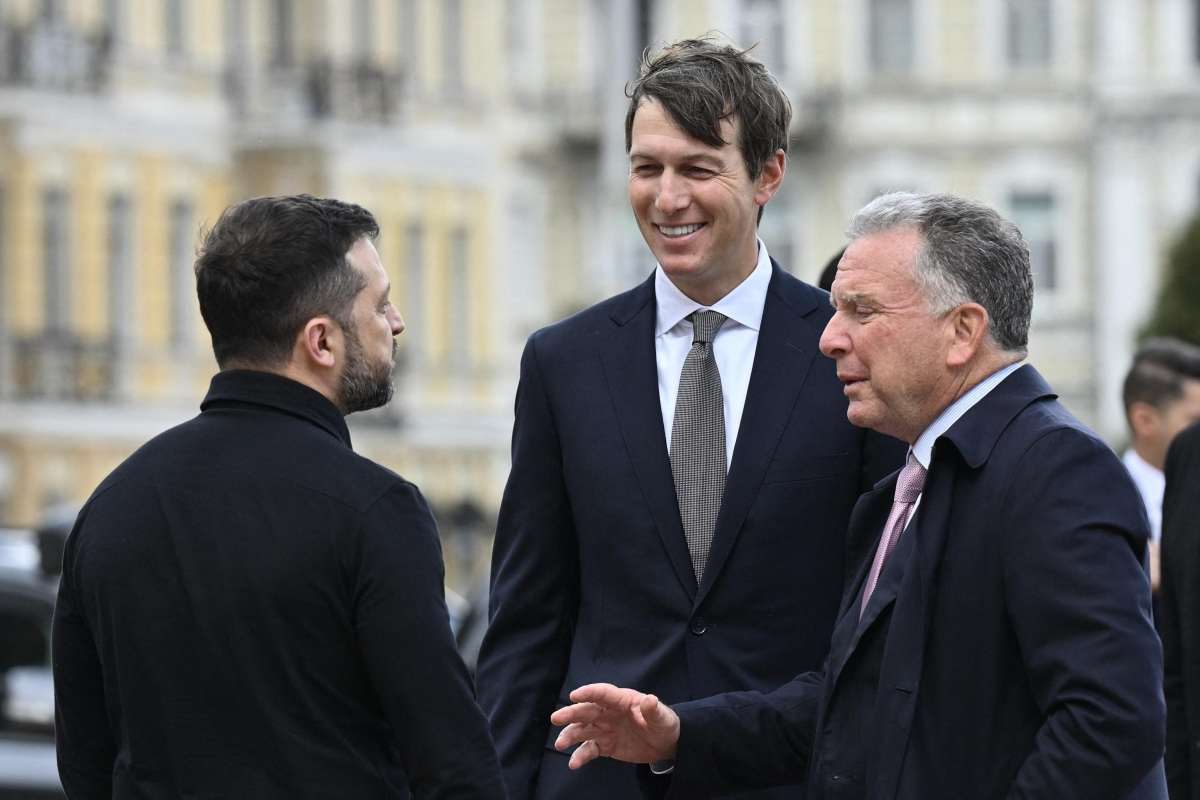
Πηγή Φωτογραφίας: Κούσνερ – Γουίτκοφ – Ζελένσκι στο Δουβλίνο. Credit: Peter Morrison / AP.



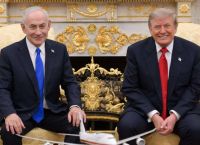
A statement by Jared Kushner is reshaping the diplomatic debate surrounding the war in Ukraine, delivering a message to both the Kremlin and European capitals: the United States cannot secure a lasting agreement to end the conflict without Europe’s participation.
Kushner, President Donald Trump’s son-in-law and a key figure in Washington’s diplomatic efforts, has acknowledged that European involvement is essential to any sustainable peace settlement.
The message represents a significant development in the American approach to negotiations, particularly after months of uncertainty over whether Washington and Moscow might seek an agreement with limited European participation.
The central question is no longer simply how to end the fighting. It is also who will determine the security arrangements governing Europe after the war.
From Abu Dhabi to Moscow: Washington’s Diplomatic Shift
The latest diplomatic activity follows negotiations in Abu Dhabi on November 10 and 11, as American representatives sought to advance discussions involving Russia and Ukraine.
US envoys Steve Witkoff and Jared Kushner have played prominent roles in contacts with Moscow and Kyiv, attempting to bridge differences over territorial disputes, security guarantees and the conditions for ending hostilities.
According to the American account of the negotiations, both Russia and Ukraine have agreed in principle to broaden the next stage of discussions to include European representatives.
Kushner indicated that the expanded format would allow negotiators to address wider postwar European security arrangements alongside the territorial questions dividing Russia and Ukraine.
The proposal reflects an important diplomatic reality: a peace agreement cannot be implemented solely through understandings between Washington, Moscow and Kyiv if European governments are expected to provide security commitments, financial assistance and long-term support for Ukraine.
However, important uncertainties remain.
Moscow has not publicly confirmed every detail of the proposed negotiating format, and the fundamental disagreements between Russia and Ukraine remain unresolved.
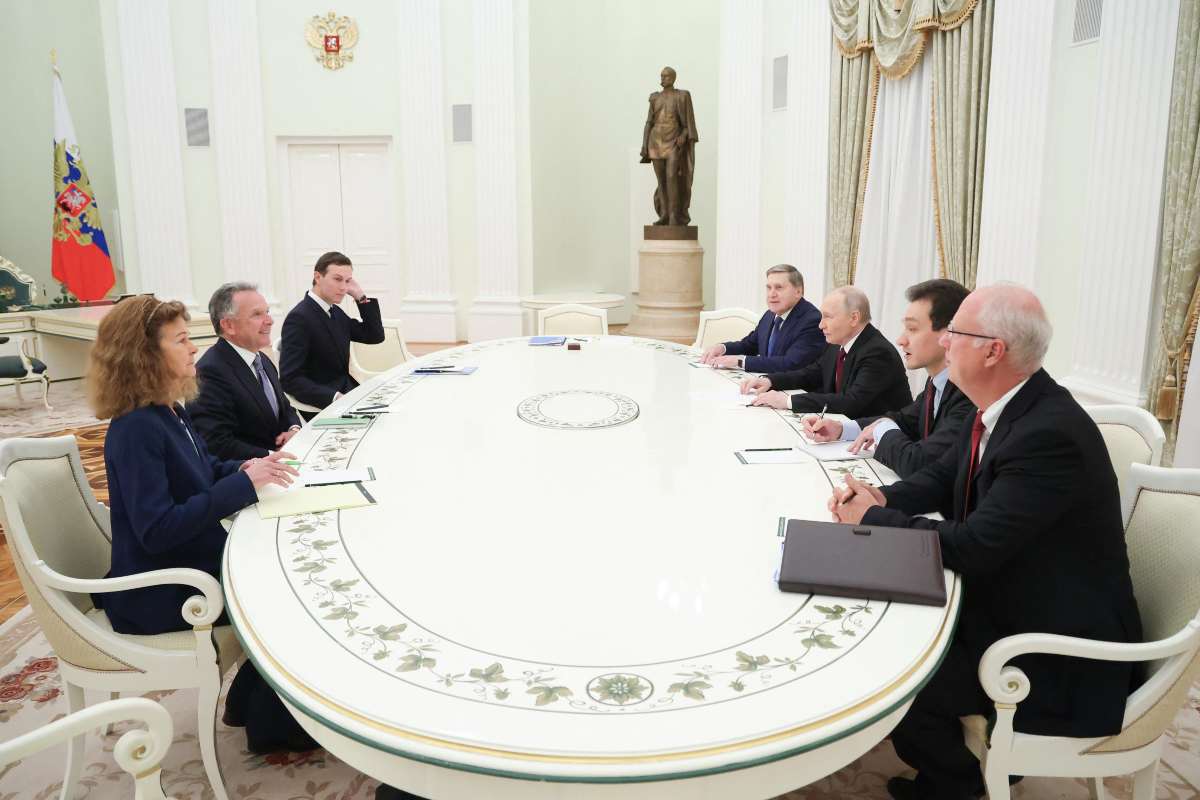
Putin’s Conditions: Europe Can Join, but Moscow Wants a Wider Security Settlement
Russian President Vladimir Putin has signaled that Moscow is willing to engage with European governments, while maintaining Russia’s longstanding demands concerning NATO and the continent’s security arrangements.
Putin has argued that Russia did not initiate the breakdown in dialogue with Europe, instead blaming Western governments for the deterioration of relations.
The Kremlin also continues to insist that any lasting settlement must address what Moscow describes as the underlying causes of the conflict.
Those demands extend beyond Ukraine itself.
Russia wants discussions about NATO’s military presence, the alliance’s future relationship with Ukraine and the broader balance of power between Russia and Western countries.
For European governments, these proposals raise fundamental questions about sovereignty and security.
European leaders have consistently maintained that Moscow should not be granted a veto over the foreign-policy or defense choices of independent states.
The challenge is therefore not simply whether Russia and Europe can negotiate, but whether they can agree on the basic principles governing the continent’s future security.
Zelensky: Europe’s Security Cannot Be Decided Without Europe
Ukrainian President Volodymyr Zelensky has welcomed the prospect of greater European participation in the diplomatic process.
Kyiv has repeatedly emphasized that the war is taking place on European territory and that any settlement will have consequences far beyond Ukraine’s borders.
For the Ukrainian government, European involvement serves several purposes.
First, it strengthens the argument that Ukraine’s future cannot be determined through negotiations conducted exclusively by Washington and Moscow.
Second, it brings additional participants into discussions over the security guarantees Kyiv considers essential to preventing another Russian invasion.
Third, it creates opportunities for closer coordination between American diplomatic initiatives and European military, economic and political commitments.
Zelensky has also emphasized the importance of concrete de-escalation measures, including possible ceasefire arrangements.
Nevertheless, Kyiv remains concerned that discussions about Europe’s wider security architecture could overshadow the immediate objective of ending Russian military operations.
Ukraine’s position remains that any peace settlement must respect its sovereignty and provide credible protection against renewed aggression.
Europe Returns to the Table – But Who Speaks for the Continent?
Washington’s apparent shift creates an opportunity for European governments to assume a more substantial role in the negotiations.
Yet it also exposes a longstanding difficulty: Europe does not always speak with a single diplomatic voice.
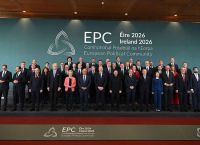
Germany, France, Britain and Italy have significant interests in the outcome, while the European Union and NATO are directly affected by any agreement concerning the continent’s security arrangements.
The question of representation is therefore politically sensitive.
Will negotiations involve a small group of major European powers? Will the European Union participate institutionally? And what role will NATO play in discussions that could affect the alliance’s future security posture?
EU foreign policy chief Kaja Kallas has emphasized the importance of prioritizing an end to the fighting and ensuring that Ukraine’s security is not compromised.
European officials are also concerned that Moscow could use negotiations over the war to pursue broader concessions affecting NATO and the security policies of neighboring countries.
This makes European participation more than a diplomatic formality.
It is a question of whether Europe will help shape the settlement or merely be asked to implement decisions reached elsewhere.
Security Guarantees and NATO: The Hardest Questions Remain
One of the most difficult issues concerns the security guarantees that would accompany any peace agreement.
Ukraine wants commitments strong enough to deter future Russian military action.
Russia, meanwhile, opposes arrangements that would bring NATO forces or other Western military deployments into Ukraine.
Moscow has warned against the deployment of European peacekeeping troops under conditions it considers threatening to Russian security interests.
European governments face a difficult balancing act.
They want to provide Ukraine with meaningful protection while avoiding arrangements that could trigger a direct military confrontation between Russia and NATO.
The dispute also extends to territory.
Russia continues to press territorial demands that Kyiv rejects, leaving a substantial gap between the positions of the two sides.
Expanding the negotiating table may improve diplomatic coordination, but it does not automatically resolve these underlying disagreements.
A Major Prisoner Exchange Could Offer a First Breakthrough
Despite the obstacles, the diplomatic process may produce progress on humanitarian issues.
Kushner has indicated that efforts are underway to arrange what could become one of the largest prisoner exchanges since Russia launched its full-scale invasion of Ukraine.
Such an agreement could potentially reunite large numbers of prisoners with their families and provide a tangible result from negotiations that have otherwise struggled to overcome political differences.
No final figures or binding timetable have been publicly established.
Nevertheless, a substantial prisoner exchange could help build confidence between the parties and demonstrate that limited agreements remain possible even without a comprehensive peace settlement.
For Washington, progress on humanitarian issues could also provide momentum for the next phase of diplomacy.
Trump’s Diplomatic Gamble: Bringing Europe Into the Deal
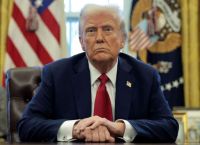
For President Donald Trump, the inclusion of European governments presents both an opportunity and a complication.
European participation could give a future agreement greater international legitimacy and make it easier to distribute the responsibilities associated with implementation.
European governments would almost certainly play a central role in Ukraine’s reconstruction, economic recovery and long-term security.
Their participation could therefore make a settlement more sustainable.
At the same time, bringing additional governments into the negotiations could introduce new disagreements and make compromises harder to achieve.
For Putin, the expanded format creates an opportunity to raise Russia’s wider security demands directly with European powers.
For Zelensky, it offers an additional safeguard against an agreement that fails to adequately protect Ukraine’s sovereignty.
And for Europe, it creates a chance to influence decisions that could shape the continent’s strategic environment for decades.
The Real Battle: Who Will Write Europe’s Postwar Rules?
Kushner’s acknowledgment of Europe’s essential role highlights a broader reality: the war in Ukraine is not simply a territorial conflict between Moscow and Kyiv.
Its outcome will affect NATO, European defense policy, transatlantic relations and the wider international security order.
Washington may remain the central diplomatic broker, but European governments will be expected to carry a substantial share of the political, financial and security responsibilities associated with any settlement.
That makes their involvement indispensable.
Yet participation alone does not guarantee influence.
European leaders must still determine how to coordinate their positions, what security commitments they are prepared to make and which Russian demands they consider unacceptable.
The next stage of negotiations will test whether an expanded diplomatic format can narrow the differences between the parties or whether discussions about Europe’s future security arrangements will create another arena of confrontation.
The central question is no longer whether Europe belongs at the negotiating table. It is whether Europe can exercise meaningful influence over the terms of peace.
For Ukraine, the stakes remain existential. For Russia, the negotiations offer an opportunity to pursue wider strategic objectives. For Washington, they represent a test of Trump’s ability to broker a settlement.
And for Europe, they may determine the balance between peace, sovereignty and security for a generation.
Source: pagenews.gr
Διαβάστε όλες τις τελευταίες Ειδήσεις από την Ελλάδα και τον Κόσμο