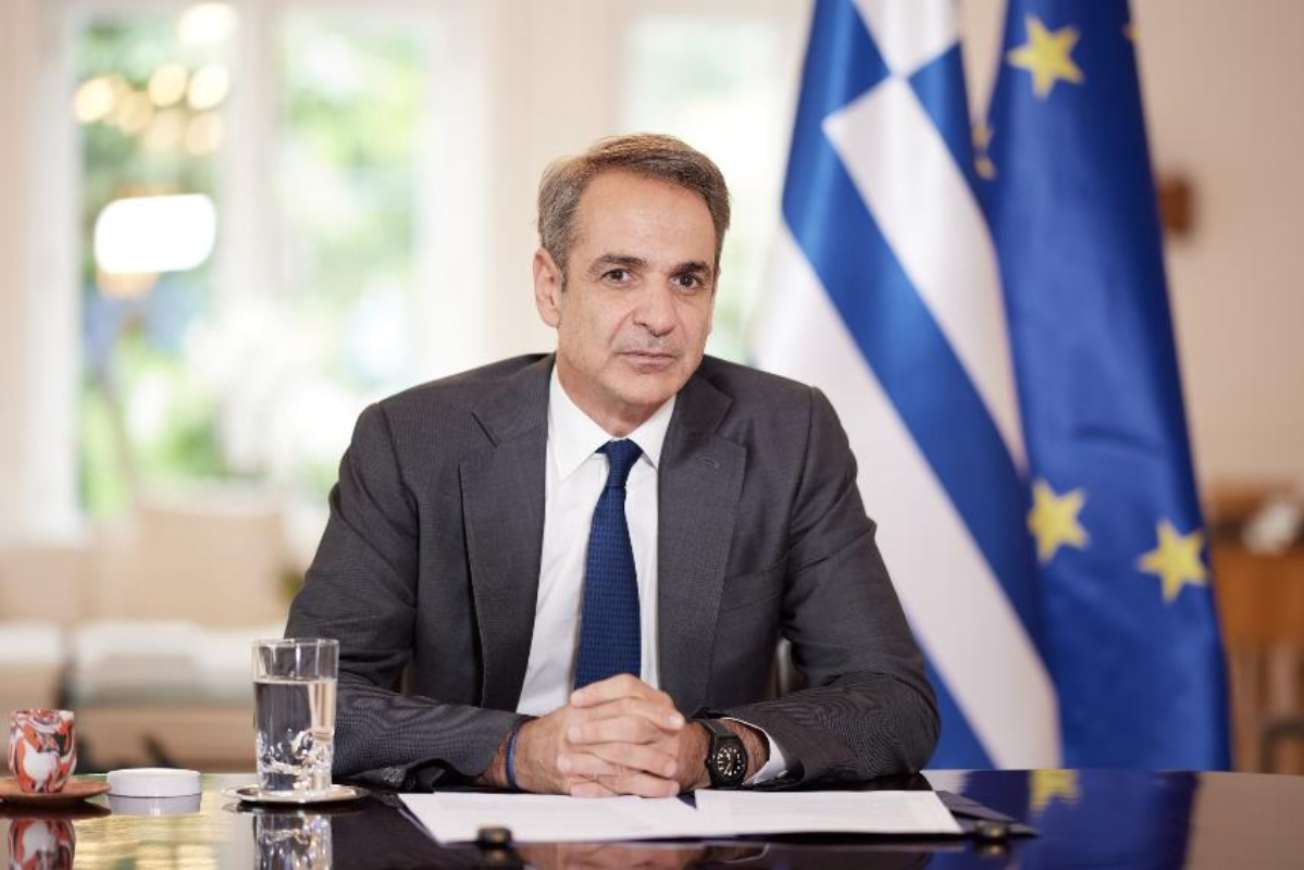
Prime Minister Kyriakos Mitsotakis opened Wednesday’s Cabinet meeting with a warning that the international crisis is producing knock-on effects across economies, while stressing that Greece’s response must support households and businesses without undermining the resilience of the economy.
His central message was clear:
“We do not need another national crisis in the midst of a global crisis.”
The government, he said, will continue intervening where necessary, but within the limits imposed by fiscal stability.
Support Measures to Be Reviewed Every 15 Days
A key element of the government’s strategy is that interventions will not be treated as open-ended commitments.
Instead, measures will be reviewed every 15 days, allowing Athens to adjust its response to changes in international energy prices and domestic market conditions.
The approach had already been signalled by the government ahead of the Cabinet meeting, particularly in relation to fuel support, as volatility in global oil markets makes longer-term price interventions difficult to calibrate.
The Four New Measures
Mitsotakis announced four interventions covering debt repayment arrangements, loan servicers, heating oil and diesel.
1. Debt Repayment Scheme Expanded to 120 Instalments
The first measure expands the existing repayment framework from 72 to 120 monthly instalments.
The minimum monthly payment will be set at €30.
The measure is designed to give additional breathing space to debtors facing financial pressure while maintaining a structured repayment mechanism.
2. Tougher Rules for Loan Servicers
The second intervention introduces stricter obligations for loan servicers, with particular emphasis on borrowers who are complying with an agreed debt restructuring arrangement.
Under the measures announced by the prime minister, if a servicer violates an agreed settlement and proceeds with an auction or seizure despite the borrower complying with the arrangement:
- the relevant enforcement action will be cancelled;
- the servicer could face a fine of up to €500,000;
- the borrower will receive a credit equivalent to five instalments under the original agreement.
The measure is specifically aimed at strengthening protections for borrowers who continue to meet the terms of an agreed repayment plan.


3. Heating Oil: Target Below €1.75 per Litre
The third intervention concerns heating oil as Greece approaches the winter season.
The government’s objective is to keep the retail price below €1.75 per litre.
The final measures are expected to be announced before the heating-oil distribution season begins in mid-October.
The government has already indicated that further decisions on heating support will depend on developments in international energy markets.
4. Diesel Subsidy Raised to 15 Cents – Total Relief Could Reach 20 Cents
The most immediate intervention concerns diesel.
For the first 15 days of October, the subsidy applied at the pump will increase from 10 cents to 15 cents per litre.
Greek refiners are also expected to introduce their own discounts.
Combined with the state subsidy, the government expects the overall reduction for consumers to reach as much as 20 cents per litre.
The duration is significant: the measure applies initially only to the first half of October and will subsequently be reassessed in light of market conditions.
Athens Turns to Brussels
Mitsotakis also argued that a crisis of this scale cannot be addressed exclusively through national measures.
“Every broader initiative must carry a European stamp,” he said.
Greece is therefore submitting a proposal in Brussels aimed at giving EU member states temporary additional flexibility to respond to the economic consequences of the current crisis.
The prime minister said he had sent a letter to the President of the European Commission and the President of the Eurogroup, setting out the Greek proposal.
Athens has already been advocating greater European fiscal flexibility as governments confront elevated energy costs and pressure on household disposable income.
Support Without Undermining Fiscal Resilience
The political and economic balancing act behind the announcements is straightforward.
The government wants to demonstrate that it is prepared to intervene as external shocks reach households and businesses, while avoiding measures that could place Greece’s public finances under renewed pressure.
Rather than committing to an unlimited support package, Athens is opting for rolling 15-day assessments, particularly for fuel measures.
That allows the size and duration of support to change alongside international prices.
The broader strategy therefore rests on two tracks: targeted national intervention now and pressure for a more coordinated European response if the crisis persists.
For Mitsotakis, the red line is that measures designed to contain the effects of an international crisis should not generate a new domestic fiscal one.
Source: pagenews.gr