Greece has warned that further diplomatic action could follow attacks on Greek-owned commercial vessels operating in the Black Sea, as concerns mount over the safety of shipping routes, maritime crews and international trade amid the continuing war in Ukraine.
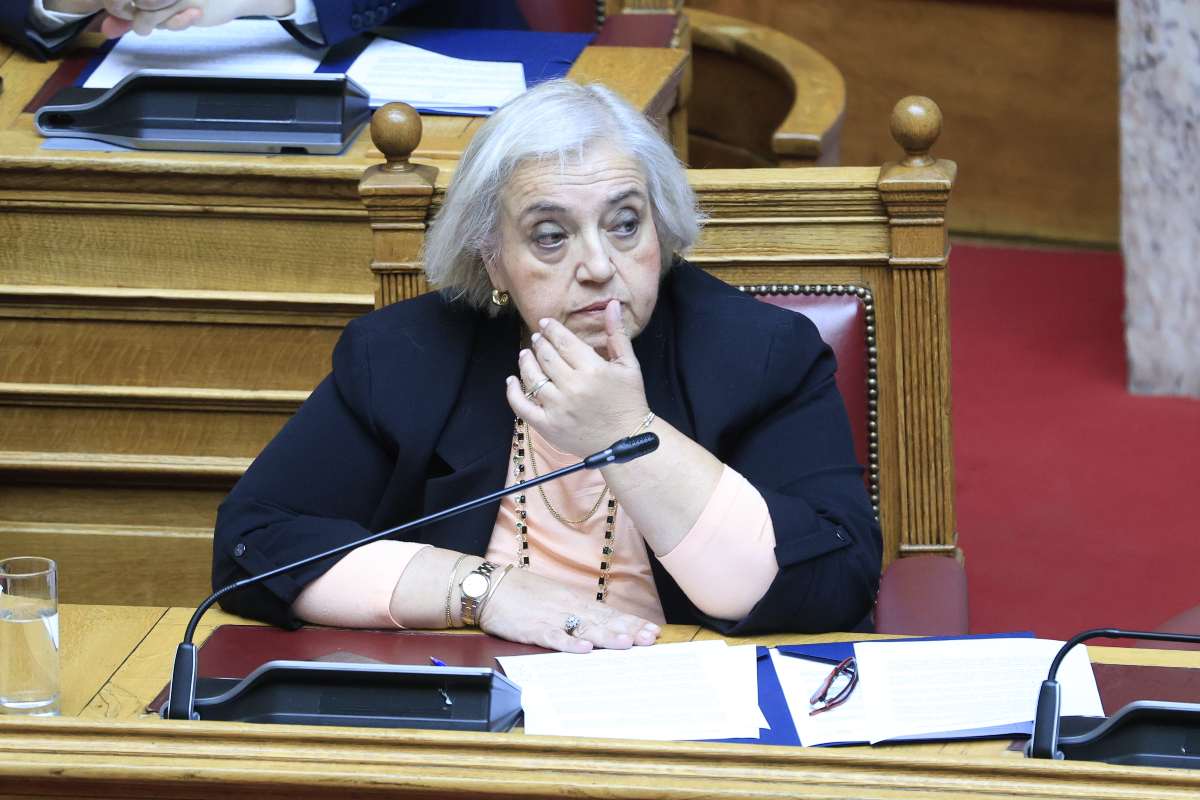
Speaking before the Greek Parliament, Deputy Foreign Minister Alexandra Papadopoulou made clear that Athens is closely monitoring developments and remains prepared to pursue additional diplomatic and institutional initiatives if circumstances require.
Her remarks highlight the increasingly complex challenge facing Greece, one of the world’s leading maritime powers, as commercial shipping operates in waters affected by military confrontation and growing security risks.
Athens Draws a Clear Line on Attacks Against Commercial Shipping
Responding to a parliamentary question from Alexandros Kazamias, a lawmaker representing the Course of Freedom party, Papadopoulou strongly condemned attacks targeting merchant vessels.
She emphasized that ships conducting legitimate commercial operations must not be exposed to military attacks, regardless of their origin or the circumstances surrounding them.
“Attacks against commercial vessels that endanger the safety of navigation and crews, while these ships are engaged in entirely lawful commercial activities and pose no threat, are absolutely unacceptable and condemnable under international law, regardless of where they originate or the specific circumstances in which they occur,” she said.
The statement reflects Athens’ position that commercial shipping and civilian maritime personnel must be protected even in areas affected by armed conflict.
For Greece, the issue carries particular significance because of the extensive international operations of its merchant fleet and the country’s central role in global maritime transportation.
Greece Confirms Diplomatic Protest to Ukraine
One of the most significant elements of Papadopoulou’s parliamentary intervention was her confirmation that Greece has already undertaken targeted diplomatic initiatives.
According to the deputy foreign minister, Athens raised the issue at the European level through Greece’s Permanent Representation in Brussels.
She also disclosed that a formal diplomatic protest was delivered to the relevant Ukrainian authorities on September 17, setting out Greece’s position in unequivocal terms.
The intervention demonstrates that Athens has sought to address maritime security concerns through both bilateral diplomatic channels and European institutions.
However, the diplomatic protest should not automatically be interpreted as an official attribution of responsibility for particular attacks.
Papadopoulou did not publicly identify the perpetrators of specific incidents during her parliamentary response.


Who Is Behind the Attacks?
The parliamentary exchange also brought renewed attention to questions surrounding responsibility for attacks on Greek-owned and Greek-flagged vessels.
Kazamias directly challenged the government to clarify who was responsible and why Athens had not imposed retaliatory measures.
The deputy foreign minister responded by emphasizing Greece’s condemnation of attacks against commercial shipping and outlining the diplomatic steps already taken.
Her response left unresolved the question of responsibility for individual incidents.
The distinction is important because identifying the perpetrators of an attack requires reliable evidence, while the protection of civilian shipping remains a broader obligation under applicable international law.
The Strategic Stakes for Greek Shipping
The Black Sea remains one of the most sensitive maritime regions in Europe, with the war in Ukraine continuing to affect shipping operations, port infrastructure and regional trade.
For Greek shipowners, the risks extend beyond potential damage to vessels.
Threats to crews, disruptions to commercial routes, higher insurance costs and operational uncertainty can all have consequences for international shipping.
The situation also presents a diplomatic challenge for Athens, which must defend Greek maritime interests while maintaining its broader foreign policy commitments and relations with European partners and Ukraine.
Greece’s response has so far emphasized diplomatic engagement and the protection of lawful commercial navigation rather than announcing retaliatory measures.
Further Diplomatic Measures Remain on the Table
Papadopoulou concluded her parliamentary intervention by making clear that the Greek government is not ruling out further action.
“I also assure you that the Greek side is closely monitoring the situation and does not exclude examining and undertaking further diplomatic and institutional actions, should developments on the ground and the available evidence make this necessary,” she stated.
Source: pagenews.gr