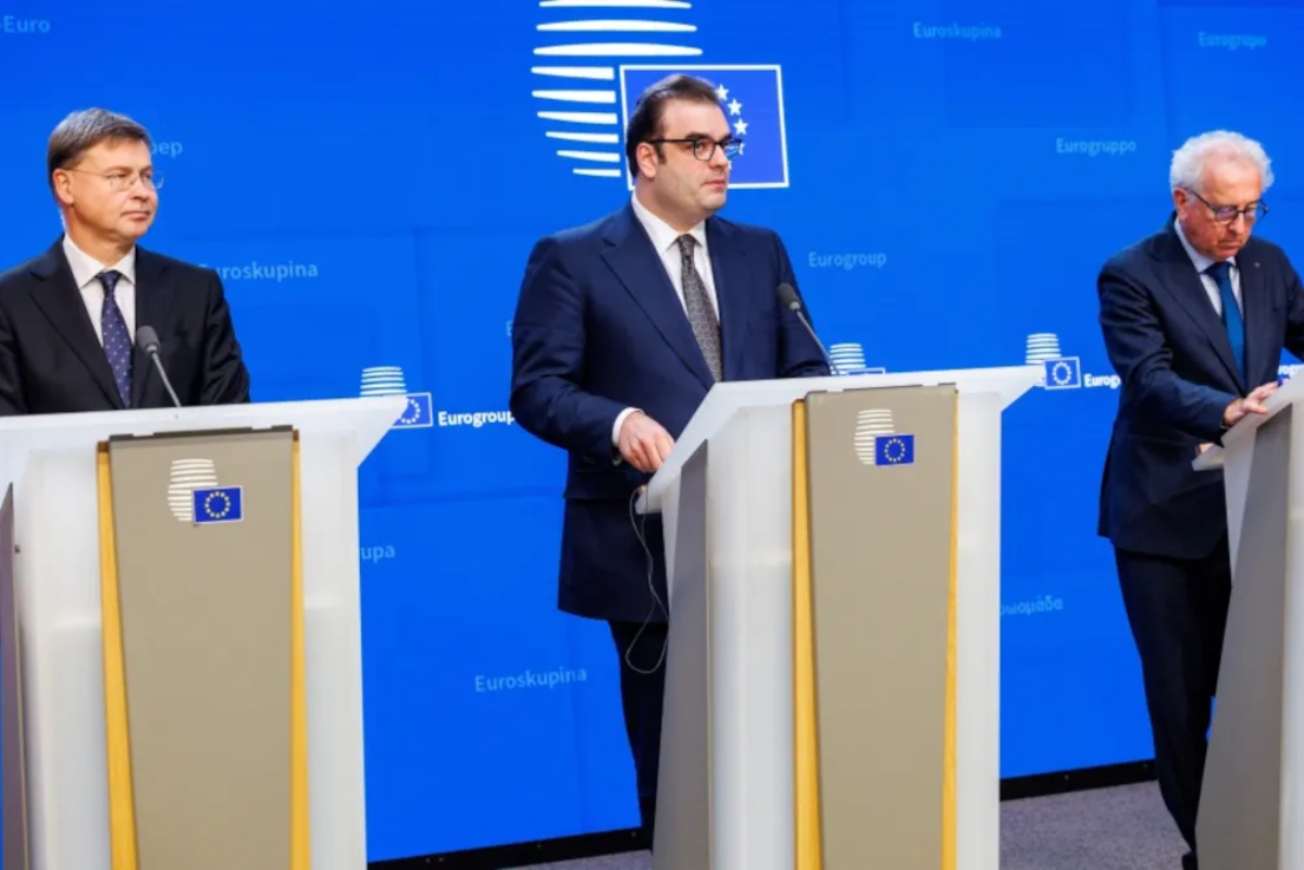
A Greek proposal to generate European revenues from future 6G spectrum auctions has entered negotiations on the European Union’s next long-term budget.
The initiative, advanced by Greek Finance Minister and Eurogroup President Kyriakos Pierrakakis, envisages an initial financing scale of €12bn–€15bn, excluding potential additional proceeds from future renewals of 5G licences.
These figures remain estimates. The mechanism, allocation of proceeds and final agreement are still subject to negotiations among member states.
According to information attributed to European Commission sources, elements of the proposal now appear in the revised negotiating framework for the 2028–2034 Multiannual Financial Framework.
What Greece is proposing
The proposed European Spectrum Union would coordinate future auctions of frequencies intended for sixth-generation mobile networks across the EU.
Part of the proceeds could support the European budget, while another portion could finance strategic technology investments.
The objective is to strengthen common European funding while linking spectrum allocation to investment in the next generation of digital infrastructure.
Pierrakakis initially presented the initiative in July and elaborated on it in September 2026.
What inclusion in the negotiating framework means
European Council President António Costa presented the revised negotiating framework, commonly known as the “negotiating box”, following consultations with member states.
According to the reported provisions, it includes the potential use of revenues from spectrum rights above 6 GHz, within planning for future 6G services.
Its inclusion gives the Greek initiative a concrete place in the budget negotiations. It does not constitute final approval or guarantee that the projected revenues will materialise.


The implications for national contributions
Under the arrangement being discussed, spectrum proceeds could provide an additional source of EU financing and correspondingly reduce the need for national contributions.
Several central questions remain: how much revenue would flow to the European level, how it would be distributed and which investments it would support.
The framework also opens discussion of proceeds from other frequencies when existing usage rights expire or are renewed. That could extend the initiative beyond a single auction cycle.
The Greek precedent: Phaistos Fund
The proposal draws on Greece’s experience with 5G spectrum auctions, during Pierrakakis’s tenure as digital governance minister.
At the time, 25% of auction revenues were channelled into the Phaistos investment fund, established to support innovative businesses and applications connected with fifth-generation technologies.
The initiative would adapt that approach to the European level: directing part of spectrum proceeds back into technology development, businesses and infrastructure.
Where investment could go
Potential investment areas include next-generation networks, artificial intelligence infrastructure and critical digital technologies.
Participation by the European Investment Bank and private investors could increase the overall financing mobilised.
The eventual investment total would depend on the financial instruments chosen, investor participation and the readiness of individual projects. The €12bn–€15bn estimate should therefore be distinguished from any larger investment volume that might subsequently be generated.
A financing option in Europe’s budget negotiations
The discussion comes as the EU seeks funding for growing defence, competitiveness, infrastructure and technology needs while maintaining cohesion policies.
Pierrakakis’s initiative adds a specific option: coordinated use of spectrum revenues to support the European budget and technology investment.
According to the information provided, the relevant proposal is envisaged for inclusion in sectoral legislation during the first half of 2028.
Upcoming negotiations will determine how much of the Greek initiative survives into the final agreement on the EU’s 2028–2034 budget.
Source: pagenews.gr