Europe’s pushback rulings: Who must be protected before a border return?
 ΧΡΟΝΟΣ ΑΝΑΓΝΩΣΗΣ 6 '
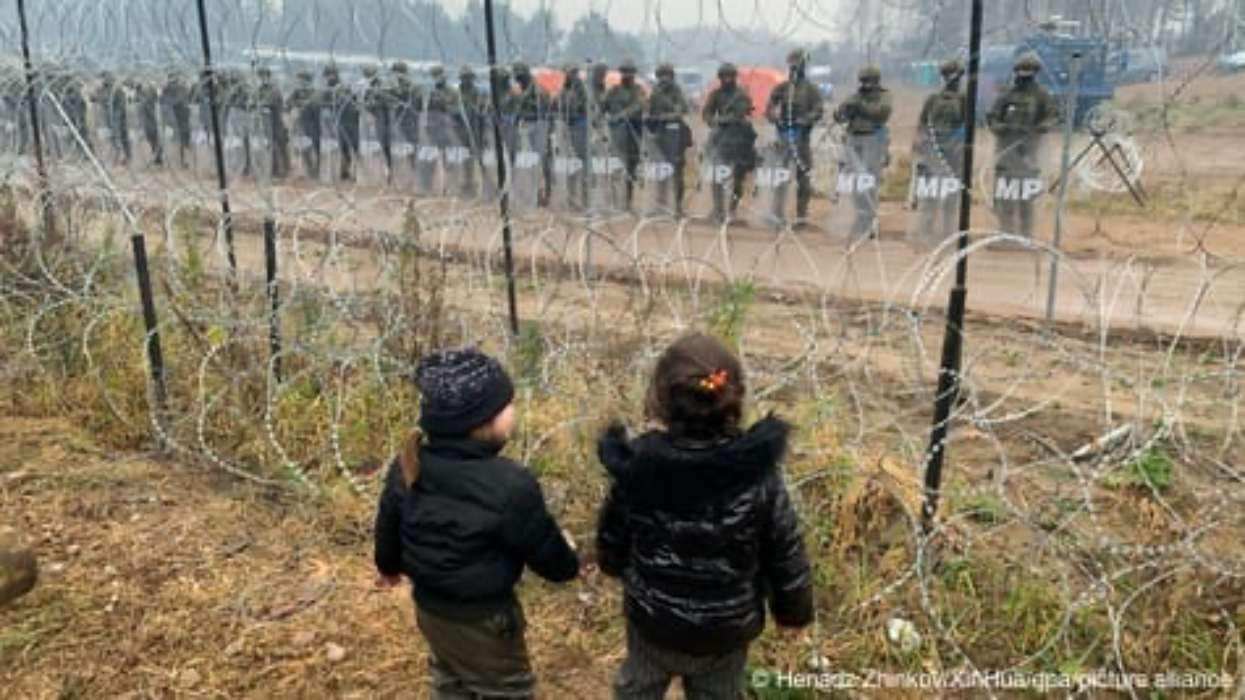
Πηγή Φωτογραφίας: Henadz Zhinkov/XinHua/dpa/picture alliance//Five children and the close relatives accompanying them were returned from Latvia to Belarus. The European Court of Human Rights found that Latvian border guards should have recognised the children’s vulnerability



Five children and the close relatives accompanying them were returned from Latvia to Belarus. The European Court of Human Rights found that Latvian border guards should have recognised the children’s vulnerability and assessed their need for protection before sending them back. In Lithuania, a majority of judges found that the returns of four Cuban nationals did not breach the prohibition on inhuman or degrading treatment. The same judgment found violations over their subsequent detention.
The three Grand Chamber judgments, delivered on 24 November 2026, turn on what border authorities must do beforesending someone back. Even where a neighbouring state has deliberately used migration to destabilise another country, authorities must identify people who need protection. What the Court narrowed, in these specific circumstances, was the scope of the checks required by the European Convention on Human Rights.
What the Court found about Belarus
The judges found that Belarusian authorities encouraged, facilitated or forced people to move towards the borders of Poland, Latvia and Lithuania with the aim of destabilising those states or the wider region. The finding rested on both the conduct of the Belarusian authorities and its purpose. A surge in border crossings alone does not establish that migration has been deliberately used as a means of pressure.
In that specific context, the Court held that Article 3 of the Convention, which prohibits torture and inhuman or degrading treatment, did not require border authorities to determine whether each person would have access to an adequate asylum procedure in Belarus. It also found that, in these circumstances, the prohibition on collective expulsions imposed no additional requirements beyond Article 3.
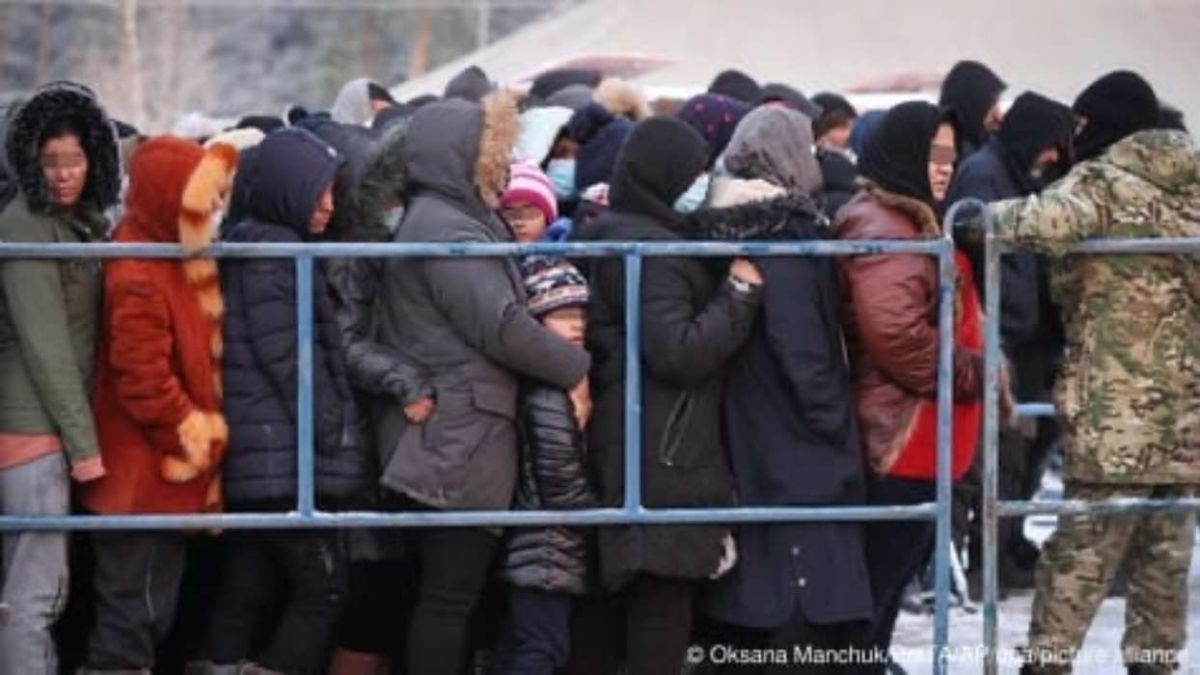
Who must be identified before a return
The Court identified two groups. The first comprises people whose vulnerability is evident because of age, illness or disability. The second comprises people with a specific basis for claiming that return would expose them to a real and immediate threat to life or a real and immediate risk of serious ill-treatment.
For the second group, the Court acknowledged how difficult it can be to gather evidence at a border. It said people should provide the evidence that could reasonably be expected in the circumstances. General reports on conditions in Belarus can inform that assessment, but the judges held that those reports alone were insufficient without a specific, consistent account or other information about the individual’s circumstances. That requirement raises a practical question. How much can someone intercepted at a border reasonably be expected to explain or substantiate before being sent back?
Three countries, three outcomes
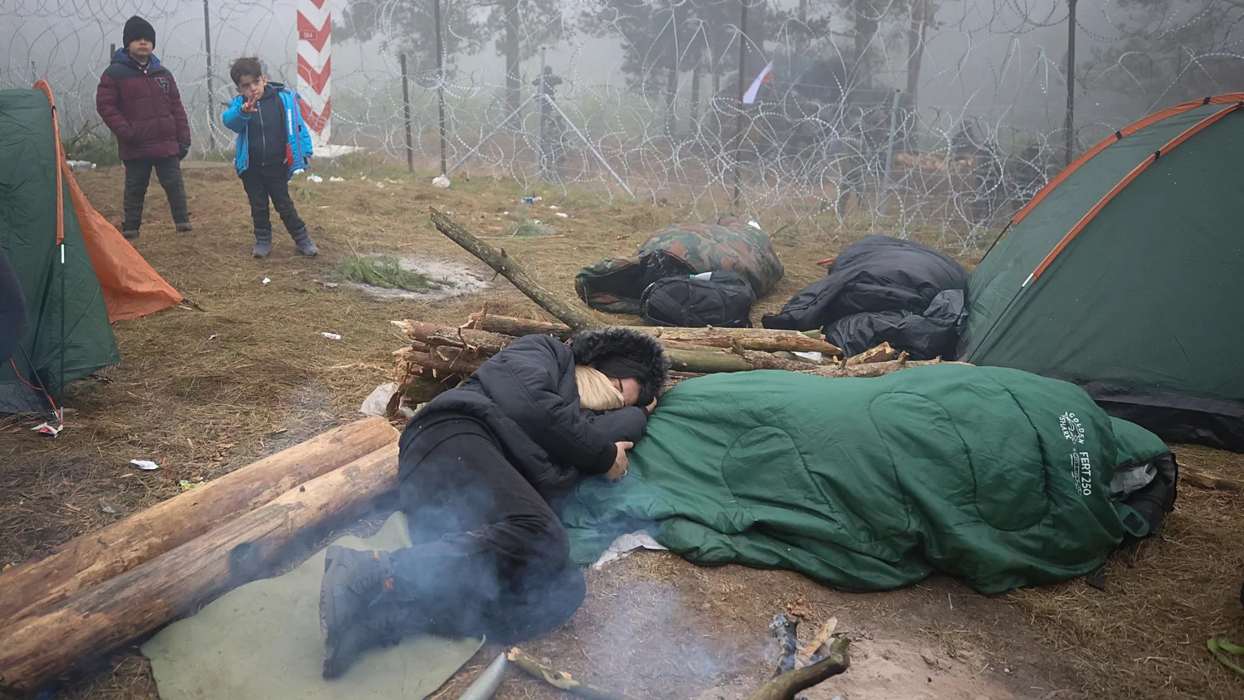
- Poland. The Court unanimously found an Article 3 violation in the case of an Afghan national returned on 20 October 2021. An interim measure directing Poland to refrain from removing him if he was on Polish territory was in force. The Court also found a violation of the right of individual application, including because lawyers were prevented from contacting the applicants.
- Latvia. The Court found a violation in the return of five children and the close relatives accompanying them. The children depended on those relatives for their care and protection. The Court also found separate violations concerning conditions in the border zone for some applicants and the detention of children.
- Lithuania. By 11 votes to six, the Court held that the returns of four Cuban nationals in 2022 did not violate Article 3. It unanimously found violations of their right to liberty and of safeguards requiring prompt information about the reasons for detention and effective access to judicial review.
What the rulings mean for EU asylum law and Greece’s Evros border
The rulings interpret the European Convention on Human Rights. EU member states also have obligations under EU asylum law. In a 2022 case involving Lithuania, the Court of Justice of the European Union held that an emergency could not justify denying someone the opportunity to apply for international protection because they had entered or were staying irregularly. The EU’s newer crisis regulation allows temporary changes to certain procedures, including, under specified conditions, up to four weeks to register an application. The Strasbourg judgments leave those EU rules in place.
For Greece, the relevant precedent is A.R.E. v. Greece. In January 2025, the Strasbourg court found that a Turkish national had been returned across the Evros without an assessment of the risk she said she faced in Türkiye. Implementation of that judgment remains under supervision. In any future case where authorities invoke the Belarus rulings, two questions would matter. What evidence establishes an organised effort to use migration as a means of destabilisation? And what procedure did officers use to identify a person at risk before returning them?
Amnesty International called the judgments “a devastating blow to legal certainty and the protection of human rights at the borders.” Its objection centres on what happens at the point of interception. The prohibition of torture remains absolute. In these exceptional circumstances, the protection it affords may hinge on whether an officer recognises someone’s vulnerability in time or whether that person can make the immediate danger of return clear.
Source: pagenews.gr
Διαβάστε όλες τις τελευταίες Ειδήσεις από την Ελλάδα και τον Κόσμο