


Adonis: “The €25 billion didn’t exist – Russia’s ‘saviors’ were a myth, our sacrifices were real”
 ΧΡΟΝΟΣ ΑΝΑΓΝΩΣΗΣ 5 '
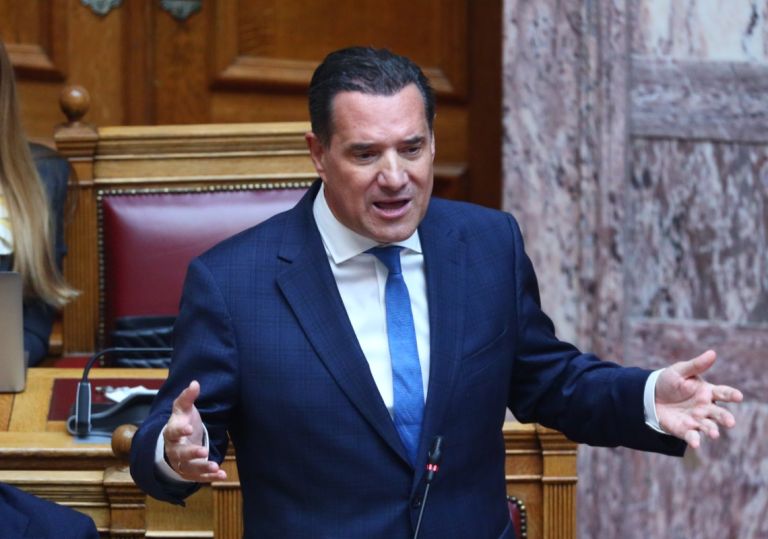
Πηγή Φωτογραφίας: eurokinissi//Adonis: “The €25 billion didn’t exist – Russia’s ‘saviors’ were a myth, our sacrifices were real”



Adonis: “The €25 billion didn’t exist – Russia’s ‘saviors’ were a myth, our sacrifices were real”
“How the Russian ‘lifeline’ turned out to be a phantom, why the €25 billion never existed, and how tough decisions kept Greece standing.”
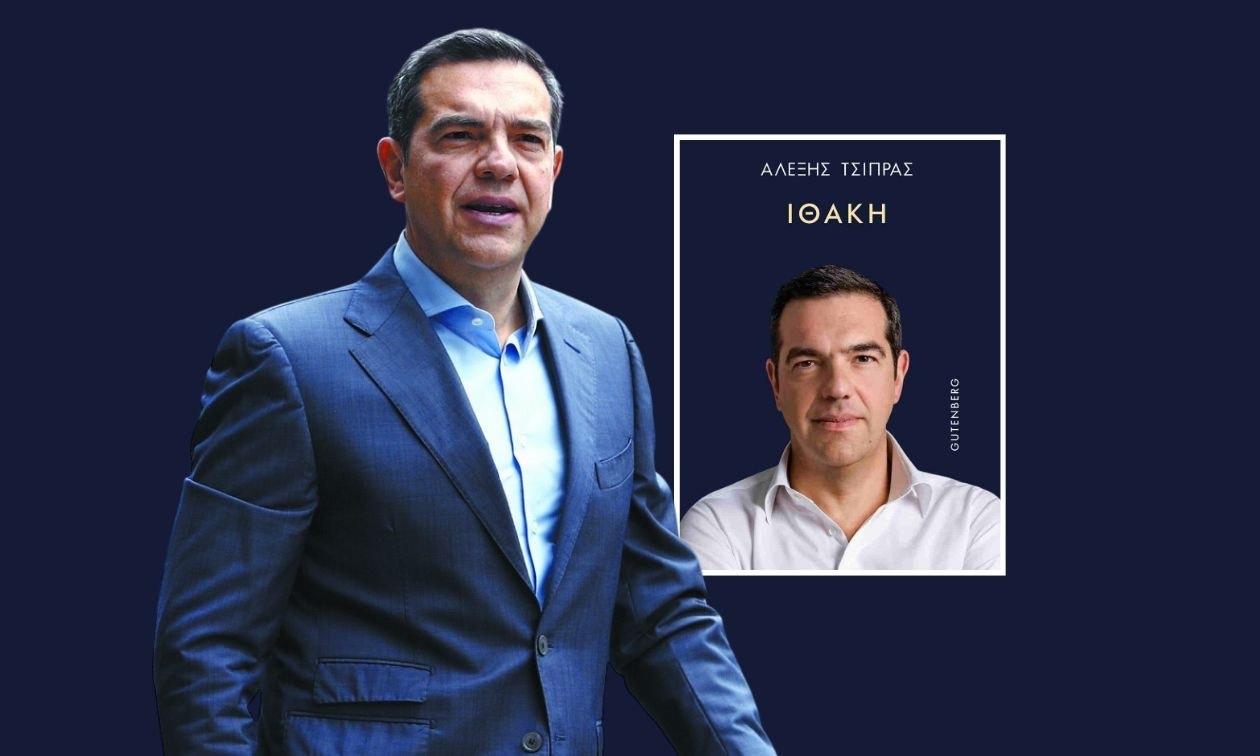
In politics, there are moments when you know that speaking the truth will cost you dearly. 2010 was one of those moments. And Alexis Tsipras’s Ithaca—a book I disagree with on many points but acknowledge for its courage to tell certain truths—has now, belatedly, confirmed what once seemed unimaginable:
The Russian “rescue loan” never existed. It was a myth. And Greece was saved solely by harsh reality, not by fairy tales of €25 billion.
The political climate: Greece on the brink
At the time, the country was boiling. Offices were under siege, politicians were targeted, and terms like “traitors” and “German puppets” were thrown around daily. Society wanted—perhaps even needed—to believe that somewhere, somehow, someone would give us money without conditions.
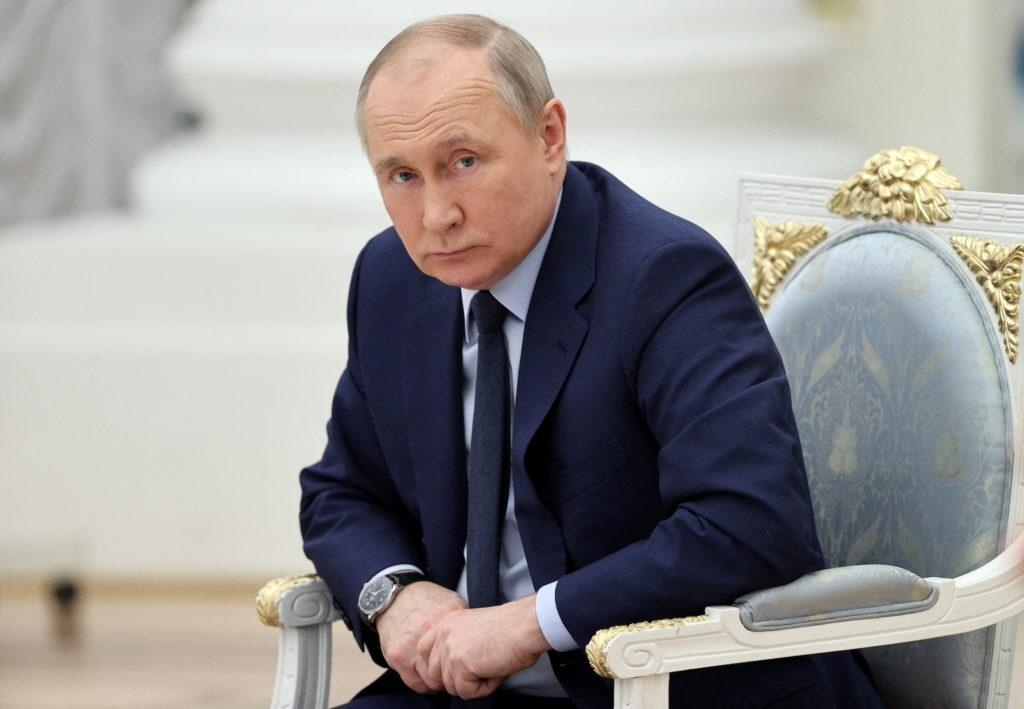
The start of the economic collapse birthed the search for saviors. And thus the story emerged: “Putin wants to give us €25 billion, but Papandreou refuses.”
Say a lie enough times, and it becomes truth in the minds of those looking for an easy escape.
Behind the scenes: calls, anxiety, and the “embassy”
Let me tell you how it really happened—something no one was telling at the time.
As a member of the Greece–Russia Friendship Group, I had direct contacts. No theories, no social media posts, no “I heard from someone.” I made a call, scheduled a meeting, and went to the Embassy.
In the office of the Russian official—name omitted for discretion—there was a silence that spoke volumes even before we spoke.
I asked directly:
— “Is there an intention for a loan? Any amount? Even a thought?”
The answer was almost mockingly cold:
— “No. None of that exists.”
And I realized then: what was being sold as a national opportunity was merely a national delusion.
“Greece was saved by logic, not myths.”
Together with Makis Voridis, we bore the responsibility of advising the LAOS Parliamentary Group. I knew voting for the Memorandum would be political suicide.
But I also knew something else:
Uncontrolled bankruptcy would have been national suicide.
So we said it. We supported it. We voted for it.
And then? Insults, targeting, encircled homes, estranged friends, frightened families.
Yet the truth remains: Greece was saved by the Memorandum, not by imaginary “protectors.”
What Ithaca really reveals—and why it matters today
In his book, Mr. Tsipras admits—indirectly—that when he spoke to Putin, what I had already learned in the Embassy in 2010 was confirmed:
Russia would not give even the “small amounts” some swore existed.
The country lost years: protests, clashes, division, near-collapse. Years that cost growth, opportunities, and lives.
And now, five years late, Mr. Tsipras indirectly acknowledges:
The salvation of the country was not in the Kremlin—it was in difficult decisions.
“€25 billion didn’t exist – there was only the need for truth.”
Perhaps the bluntest, most useful admission. It not only undermines the 2010 narrative but also all its modern variations:
- That “someone else will help us,”
- That “the solution lies outside Europe,”
- That “there are easy options.”
History proves repeatedly: a nation moves forward when it confronts the truth head-on.
Political lessons today
This is not about vindication. History is not a football match.
It means something deeper:
For the country to stand tall, it needs politicians who tell the truth when everyone else wants lies.
Ithaca is a useful book precisely for this reason: it strips away the fairy tales that have fed us for years.
“Russia didn’t pay our bill – we did.”
And that is the final, clear conclusion. The bill always lands on us. Not on geopolitical friends with their own priorities. Not on imaginary saviors. Not on comforting narratives.
We paid it. With sacrifices, with pain, with lost years—but ultimately, with the country still standing.
The real Ithaca
It doesn’t matter who was vindicated. What matters is what we learned.
Greece returns to its Ithaca only when it leaves myths behind and chooses logic, stability, and responsibility.
And if there’s one takeaway from this book, it’s that—even belatedly—it illuminates this truth.
Lesson, not triumph It doesn’t matter who was proven right. What matters is that Greece can now look back and understand how it survived.
- With sacrifices. With hard decisions. With choices few dared to take.
- Not with €25 billion that “didn’t exist.”
- Not with saviors who never came.
- Not with fantasies that held us back.
And that is the real journey to Ithaca.Not Mr. Tsipras’s. Greece’s.
Διαβάστε όλες τις τελευταίες Ειδήσεις από την Ελλάδα και τον Κόσμο







Το σχόλιο σας