With five sweeping interventions — from renovating thousands of unused apartments to tax breaks, a digital property ID system, and penalties for empty homes — Prime Minister Kyriakos Mitsotakis is moving to reshape Greece’s strained housing market. The package, to be unveiled on December 16, aims to boost supply and return tens of thousands of properties to circulation as prices and rents continue to surge.
Bloomberg-style Article
The Greek government is preparing a broad and aggressive housing strategy, designed to ease mounting pressure in a market where demand keeps rising and available housing stock remains limited. The new measures, embedded in the 2025 Budget, borrow heavily from European practices — notably Spain, the Netherlands and Austria — where governments have intervened to stabilize prices and increase supply.
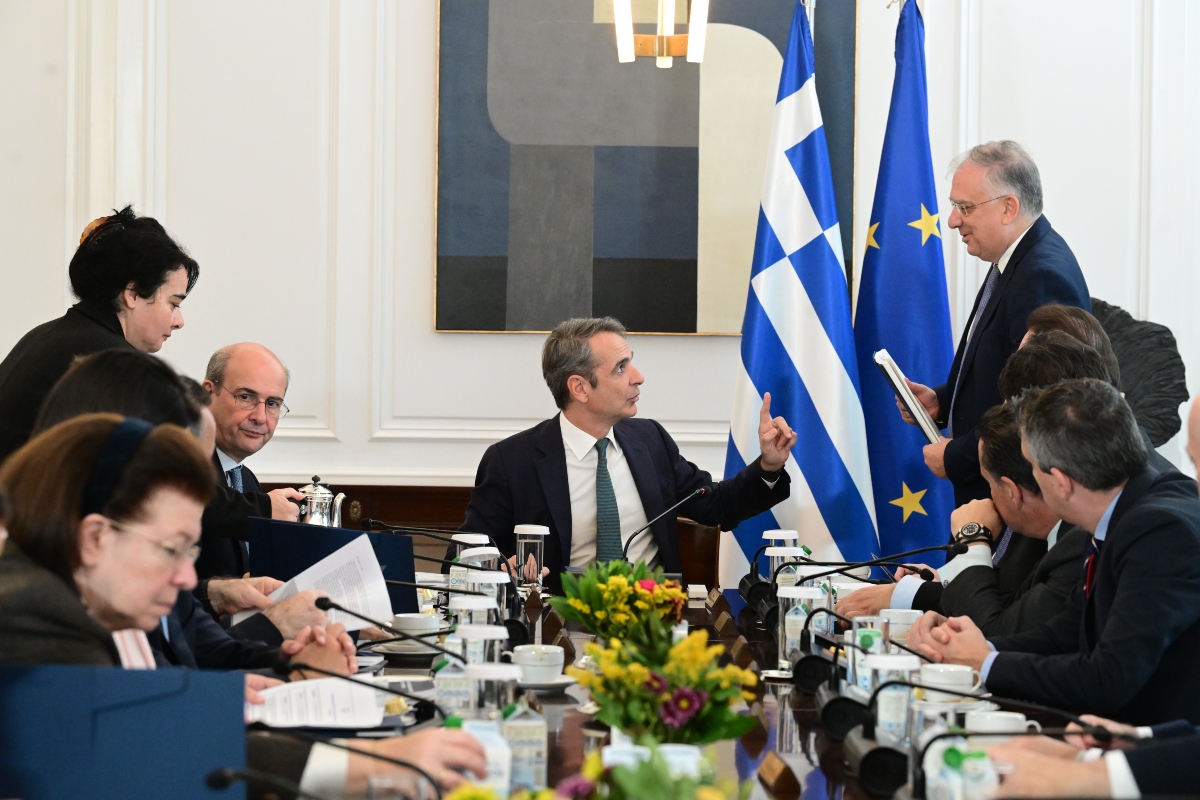
Under the guidance of Prime Minister Kyriakos Mitsotakis, meetings at the Maximos Mansion have shaped a policy mix centered on rapidly expanding available housing over the next three years.
1. Renovation of 30,000–35,000 empty apartments — Subsidies up to 90%
A flagship measure provides subsidies of up to 90% for the renovation of long-idle apartments.
Many older units remain off the market due to their condition; the government hopes to bring 35,000 apartments back into circulation, significantly increasing supply in Athens, Thessaloniki and other urban centers.


2. Idle-Property Tax
One of the most assertive elements of the package is a proposed tax on empty homes that remain unused without justification. The measure mirrors policies in several European cities and is intended to pressure owners to either renovate or rent their properties.
3. Public land allocated for social housing
Another major reform involves granting public land to developers or social entities on the condition they build affordable or social housing units. This model, common in Central Europe, reduces construction costs and accelerates delivery of new housing.
4. Digital “Property AMKA” from 2026
Starting in 2026, every property in Greece will receive a unique digital identifier — a “Property AMKA.” The system will allow:
- faster, fully digital transactions
- monitoring of idle or abandoned buildings
- targeted housing policies
- a complete digital record of each property’s condition
The Mitsotakis administration argues this will vastly reduce bureaucracy and bring transparency to the real-estate market.
5. Incentives for affordable rents — Spain as the model
Perhaps the most influential component draws from Spain’s housing policy: tax incentives for landlords and developerswho offer apartments at below-market, regulated rents.
The Greek version could calculate “affordable rent” using:
- objective property values
- local price levels
- tenant income thresholds
The aim is to make affordable leasing financially attractive — something Spain has already achieved with strong tax deductions for compliant landlords.
A housing policy shift of the decade
For Kyriakos Mitsotakis, this package represents one of the most ambitious housing interventions in recent Greek history. It seeks to correct structural weaknesses:
- high purchase and rental prices
- limited new construction
- aging housing stock
- thousands of inactive properties
The strategy combines generous incentives with regulatory pressure: subsidies for those who activate their properties, and penalties for those who keep them idle.
The stakes
Success will depend on:
- how attractive the financial incentives turn out to be
- how many property owners join the program
- the speed of implementation
- and whether the influx of renovated units will finally cool prices
If executed as planned, the government expects tens of thousands of homes to return to the market within two to three years.
Source: pagenews.gr