


Libya–Turkey deal voided by Benghazi, Athens convenes Foreign Policy Council amid regional shifts
 ΧΡΟΝΟΣ ΑΝΑΓΝΩΣΗΣ 4 '
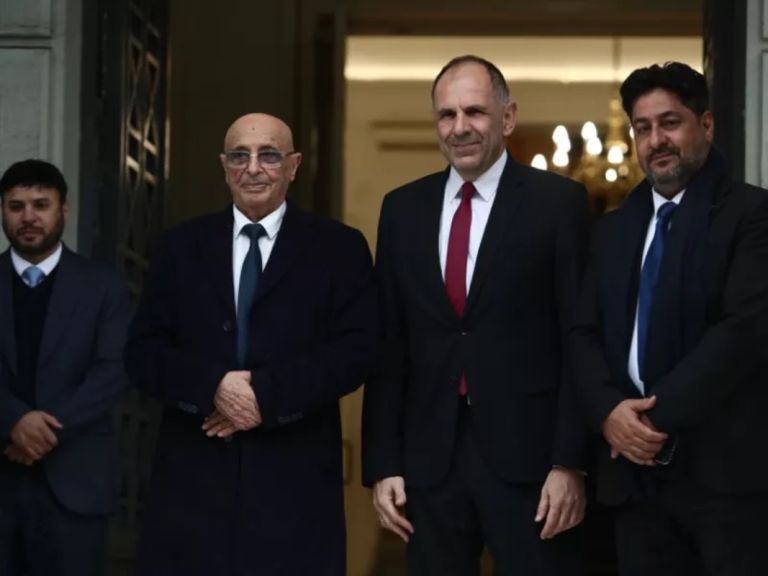
Πηγή Φωτογραφίας: eurokinissi//Libya–Turkey deal voided by Benghazi, Athens convenes Foreign Policy Council amid regional shifts



Fresh geopolitical momentum is building in the Eastern Mediterranean after Benghazi formally rejected the Turkey–Libya maritime memorandum, a move that accelerates diplomatic activity in Athens and prompts the convening of Greece’s National Foreign Policy Council. The development reshapes regional calculations, even as key disputes—most notably over Crete—remain unresolved.
A direct blow to the Turkey–Libya narrative
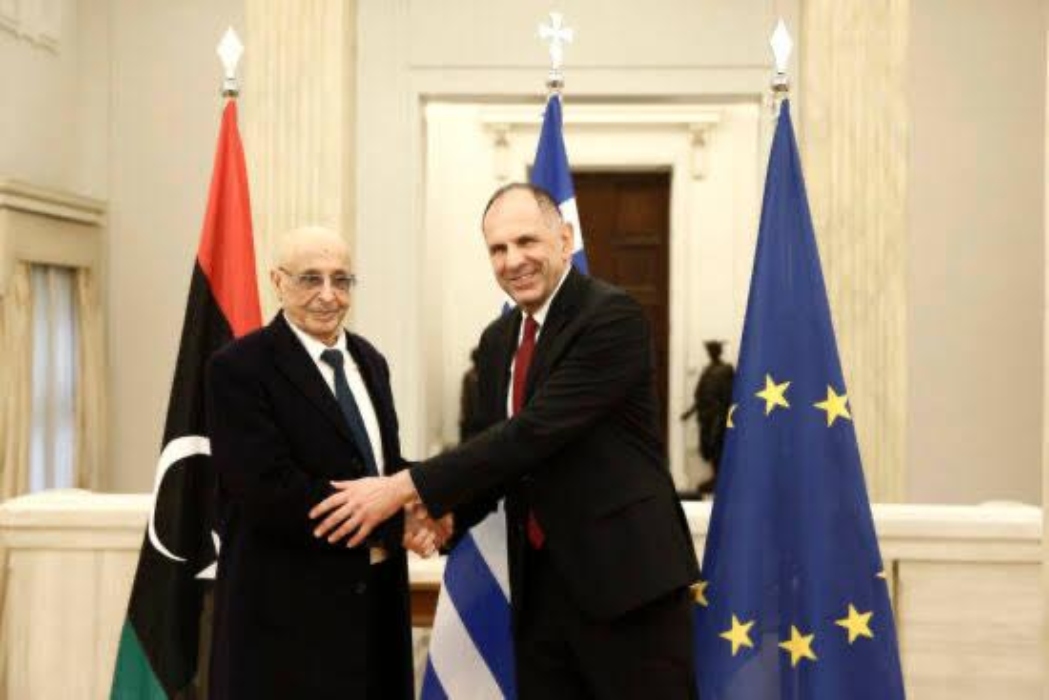
Libya’s House of Representatives Speaker Agila Saleh, based in Benghazi, openly declared the 2019 Turkey–Libya memorandum null and non-binding, reaffirming Greece’s long-standing position that the agreement violates international law.
In an interview with the Libyan News Agency (LANA), Saleh stressed that the House of Representatives is the only bodyauthorized to ratify international agreements. The memorandum signed by the Tripoli-based Fayez al-Sarraj government with President Recep Tayyip Erdoğan, he said, was never submitted to parliament and therefore carries no legal force.
“Anything built on illegality remains illegal, no matter how much time passes,” Saleh warned, sending a clear message to both Tripoli and Ankara.
The statement effectively extinguishes Ankara’s remaining hopes that eastern Libya, backed by Field Marshal Khalifa Haftar, would eventually endorse the deal.
A new opening for talks — with clear caveats
Saleh also spoke of a “new opportunity” for Libya to redefine its maritime jurisdictions in the Eastern Mediterranean through negotiations involving Egypt, Greece and Turkey.
However, he maintained Libya’s reservations regarding the full maritime effect of Crete, a long-standing point of contention, despite Libya having recognized similar rights for Malta. A committee of experts, he said, has been tasked with preparing a comprehensive report addressing the technical, legal and geopolitical dimensions of future negotiations.
Crucially, Saleh underlined that Libya is not obliged to choose sides between the Greece–Egypt axis and Turkey, insisting that national interests and balanced relations will guide its diplomacy.
Athens responds: Foreign Policy Council convened
Against this backdrop, Greece will convene its National Foreign Policy Council in Athens on Wednesday, December 17, under the chairmanship of Foreign Minister George Gerapetritis.
Greek diplomacy aims to capitalize on Benghazi’s stance while remaining cautious about the complexities of Libya’s internal divisions and the unresolved maritime disputes.
Albania: a five-year impasse back on the table
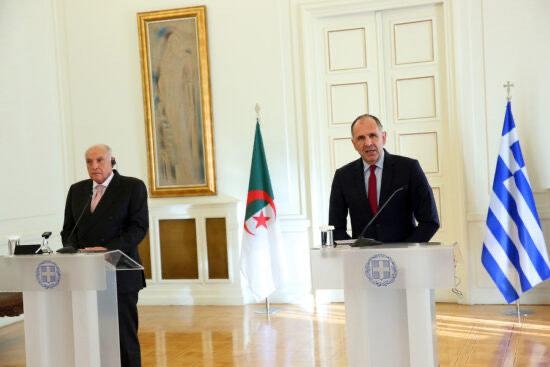
In parallel, Gerapetritis will meet Albania’s new Foreign Minister Elisa Spiropali on Tuesday. Top of the agenda is the long-delayed delimitation of maritime zones and the Exclusive Economic Zone (EEZ) in the Ionian Sea.
Athens expects Tirana to honor Prime Minister Edi Rama’s commitment to refer the dispute to the International Court of Justice in The Hague, with a clear and binding timetable. Energy cooperation will also be discussed, particularly Albania’s potential connection to LNG transport infrastructure, as part of a broader energy architecture in the Ionian and Adriatic.
Spiropali is also scheduled to meet Greek President Konstantinos Tasoulas.
What is at stake
Developments in Libya and Albania signal a Greek diplomatic effort to leverage emerging opportunities without overestimating their impact.
Benghazi’s rejection of the Turkey–Libya memorandum represents a significant political and legal gain for Athens—but not the end of the road. The coming months will determine whether this opening leads to international-law-based solutions or becomes yet another chapter in the Eastern Mediterranean’s long-running geopolitical stalemate.
Source: pagenews.gr
Διαβάστε όλες τις τελευταίες Ειδήσεις από την Ελλάδα και τον Κόσμο






Το σχόλιο σας