


Greece, Venezuela and the fine art of “international law”: when neutrality becomes a political statement
 ΧΡΟΝΟΣ ΑΝΑΓΝΩΣΗΣ 3 '
Πηγή Φωτογραφίας: eurokinissi//Greece, Venezuela and the fine art of “international law”: when neutrality becomes a political statement



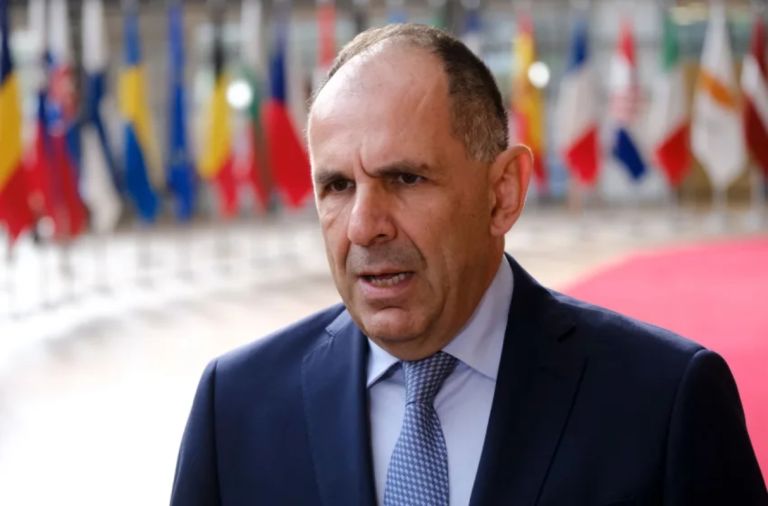
As the crisis in Venezuela escalates and global fault lines deepen, Greece has chosen its words with surgical precision. Speaking at the United Nations, Foreign Minister George Gerapetritis stressed that Athens will support the universal application of international law and called on all parties to show maximum restraint. On paper, the message is clear. Politically, however, it is far more layered.
The official line: law, restraint, dialogue
Greece’s intervention at the UN follows a familiar diplomatic script: respect for the UN Charter, commitment to peaceful solutions, and rejection of unilateral actions that could destabilize the region. Athens insists it is closely monitoring developments and encourages dialogue as the only viable path forward.
It is the kind of statement that offends no one — and reassures everyone.
The unspoken calculation
Behind the scenes, Greece’s stance reflects a careful balancing act. On one hand, alignment with Western partners — particularly the EU and the United States — remains a strategic constant. On the other, Athens is keen to avoid being seen as endorsing regime change narratives or military escalation, especially in a region far from its immediate strategic perimeter.
This is where international law becomes diplomatic currency: a framework broad enough to justify restraint, yet flexible enough to avoid direct confrontation with powerful allies.
A familiar pattern
For seasoned observers, the Venezuelan case fits a broader pattern in Greek foreign policy:
- Strong rhetorical commitment to legality and multilateralism
- Cautious distance from hard power decisions
- Political utility at home, where appeals to international law resonate with public opinion
Critics, particularly from opposition benches, quietly note that international law is often invoked selectively, depending on the geopolitical context and the actors involved. Supporters counter that this very flexibility is what allows Greece to punch above its weight diplomatically.
Why Venezuela matters — even from afar
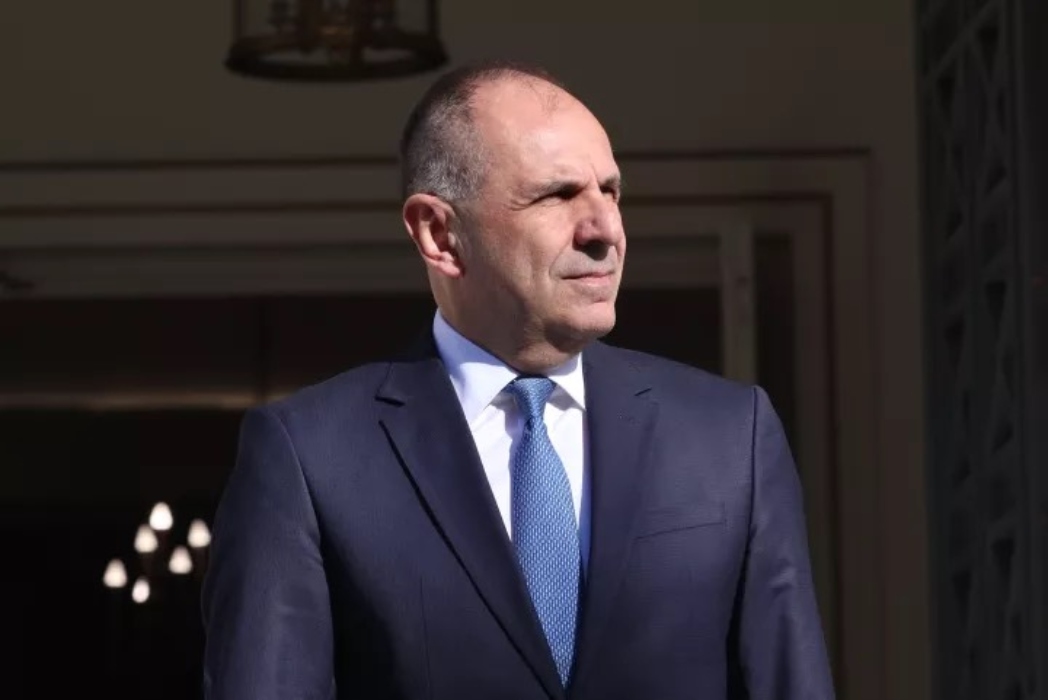
At first glance, Venezuela might seem peripheral to Greek interests. Yet the crisis touches on bigger questions: energy geopolitics, dollar dominance, unilateral interventions and the future role of the UN itself. By positioning itself as a guardian of legal norms, Greece reinforces its image as a predictable, rules-based actor — a useful identity at a time when global order appears increasingly fragile.
Between principles and pragmatism
Ultimately, Athens’ message is less about Caracas and more about how Greece wants to be seen: not as a passive observer, but as a state that speaks the language of stability, even when the international system is drifting toward polarization.
In an era where silence is suspicious and alignment is costly, Greece has chosen something more subtle: principled ambiguity.
Whether this posture will translate into real diplomatic influence — or remain a carefully worded exercise in damage control — is a question that will only be answered as the Venezuelan crisis continues to unfold.
Source: pagenews.gr
Διαβάστε όλες τις τελευταίες Ειδήσεις από την Ελλάδα και τον Κόσμο







Το σχόλιο σας