


Zacharaki: Over 5 New Foreign University Applications Expected in Greece, Sparks Education Shake‑Up
 ΧΡΟΝΟΣ ΑΝΑΓΝΩΣΗΣ 4 '
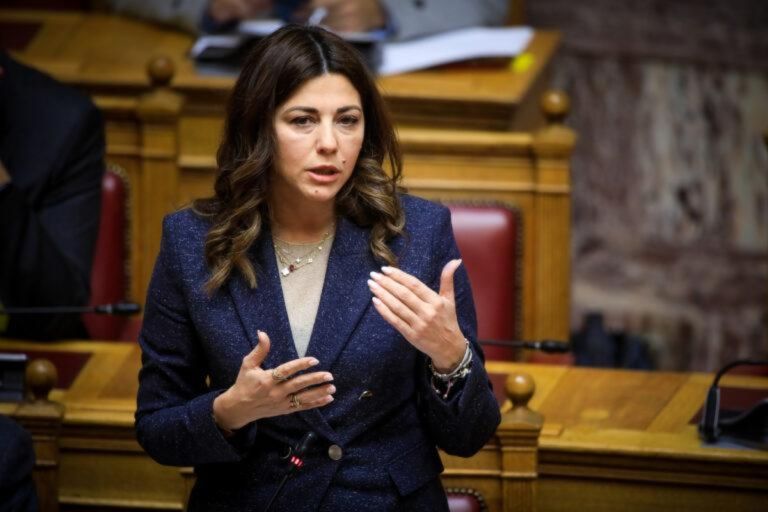
Πηγή Φωτογραφίας: eurokinissi//Zacharaki: Over 5 New Foreign University Applications Expected in Greece, Sparks Education Shake‑Up



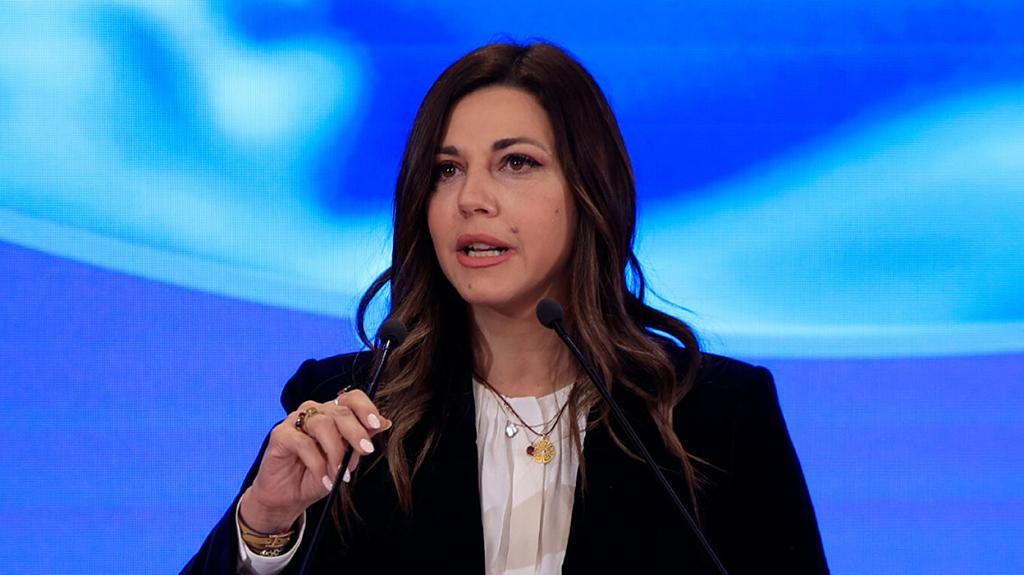
In a notable policy statement, Greek Minister of Education, Religious Affairs and Sports, Sofia Zacharaki, revealed that more than five new applications from foreign universities are expected to be submitted for the establishment of non‑state higher education institutions in Greece by February 28, 2026, under the framework of the new university law.
**“There is already interest, and based on the picture I have today I estimate that there will be more than five new applications,” Zacharaki said in a televised interview on SKAI TV.
The minister highlighted that foreign universities are observing the new regulatory environment, evaluating infrastructure and substantive criteria, and expressing optimism about the “dynamic that is being developed.”
A Leap Toward Internationalisation
This expected influx of applications marks a significant shift in Greek higher education policy — moving away from a purely state‑centric model toward a mixed landscape of public and internationally affiliated institutions.
According to past reporting, Greece already hosts non‑state universities with rigorous certification standards, and new entries could expand this trend, giving students choices beyond the traditional public system.
Zacharaki emphasized that such development offers new prospects for young Greeks who may prefer to study in their own country at globally recognised institutions, while also creating opportunities for Greek academics who worked abroad to return home.
Political and Social Context
This education policy evolution doesn’t occur in isolation — it intersects with broader political debates in Greece:
- The government’s push for internationalisation contrasts with sentiments from some academics and political circles wary of diluting local academic tradition.
- Zacharaki paired her remarks on foreign universities with calls for a national public dialogue on the education system, from kindergarten to high school, aiming to reduce the perception of upper secondary education as merely a “gateway exam”.
- The discussions come at a time when Greece is managing agricultural protests and socioeconomic pressures, adding layers to political debate about reform, opportunity and social mobility.
What This Could Mean on the Ground
For students:
- Access to additional degree options in Greece without the need to travel abroad.
- Opportunities to enroll in programs with international recognition and global networks.
For academia:
- Potential return of Greek scholars who studied and taught abroad during the economic crisis.
- Increased competition for research funding, faculty talent, and academic prestige.
For the political landscape:
- The move strengthens narratives about modernising public services and international engagement amidst criticism from opponents who see risk in outsourcing education credentials.
Broader Parapolitical Angle
While the official framing emphasises opportunity and openness, some commentators see this as part of a broader political shift:
- A government strategy to modernise national institutions and attract foreign investment in education.
- An attempt to curb brain drain by making Greece an appealing academic hub.
- A topic that may be leveraged in electoral politics, with opponents arguing that academic sovereignty and standards must be fiercely protected.
This unfolding story sits at the crossroads of education policy, national identity, economic strategy and geopolitics, as Greece positions itself — at least rhetorically — as a regional education centre in Southeastern Europe.
If the Minister’s forecast holds true, Greece could see a wave of foreign universities entering its higher education ecosystem in 2026, with more than five new applications expected by the legal deadline of February 28. This would represent not just a growth in academic offerings but a symbolic turning point in how Greece approaches education, global integration and domestic opportunity creation.
Source: pagenews.gr
Διαβάστε όλες τις τελευταίες Ειδήσεις από την Ελλάδα και τον Κόσμο






Το σχόλιο σας