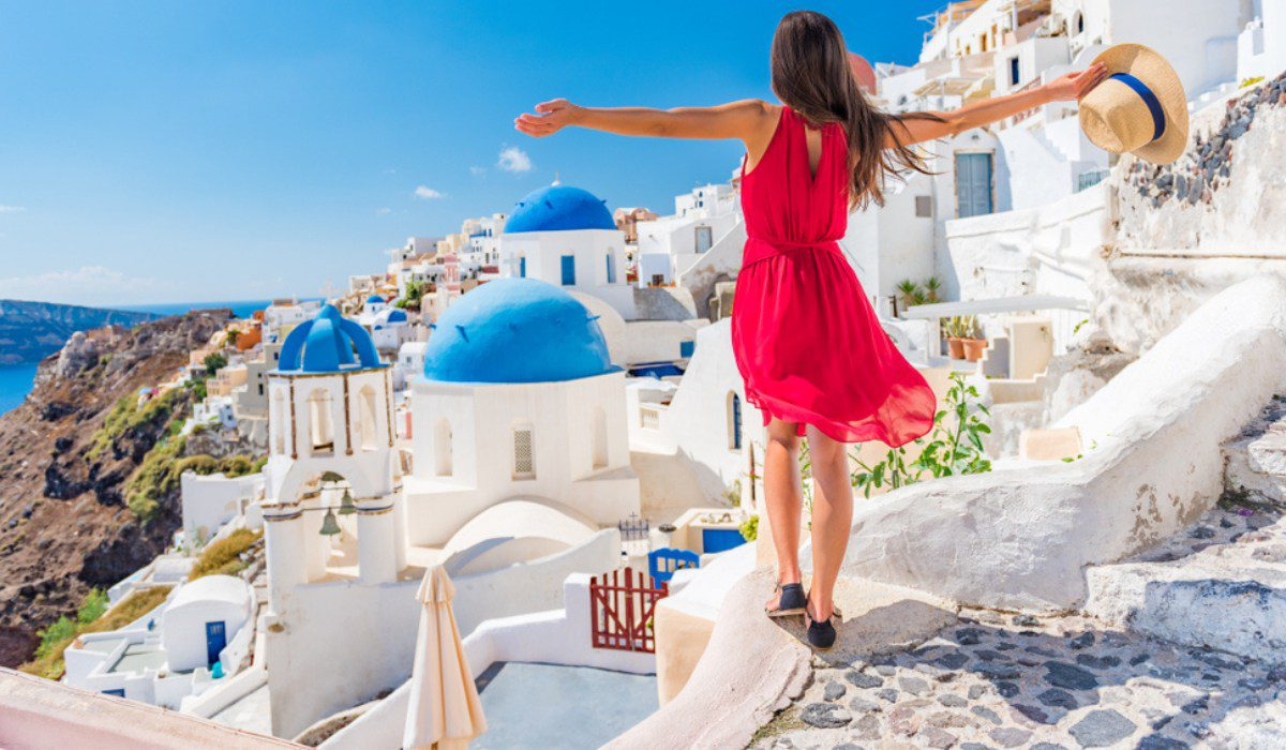
Greek tourism shows it doesn’t wait for July to take off. The latest figures from the INSETE Airdata Tracker report a 7% increase in scheduled air seats to Greece in February, a traditionally low-demand month. With over 1 million seats available, the signal is clear: resilience not just for the market, but also for the political establishment, which has long relied on tourism as a key pillar of growth.
Behind the numbers, however, lies a more complex backstage story.
The “Victory” of Extended Season
The increase in capacity during a low season is no coincidence. Industry insiders describe it as a silent confirmation of Greece’s strategy to extend the tourist season. City breaks, business travel, cultural tourism, and gastronomic experiences are fueling demand, especially in Athens and Thessaloniki, but also in destinations with a more “mature” product.
At the government level, these figures are used as proof of a shifting tourism model. Yet behind the scenes, it is acknowledged that the extension is still unevenly distributed, with many regions still dependent solely on the July–September peak.

Jet2: British “Vote of Confidence”
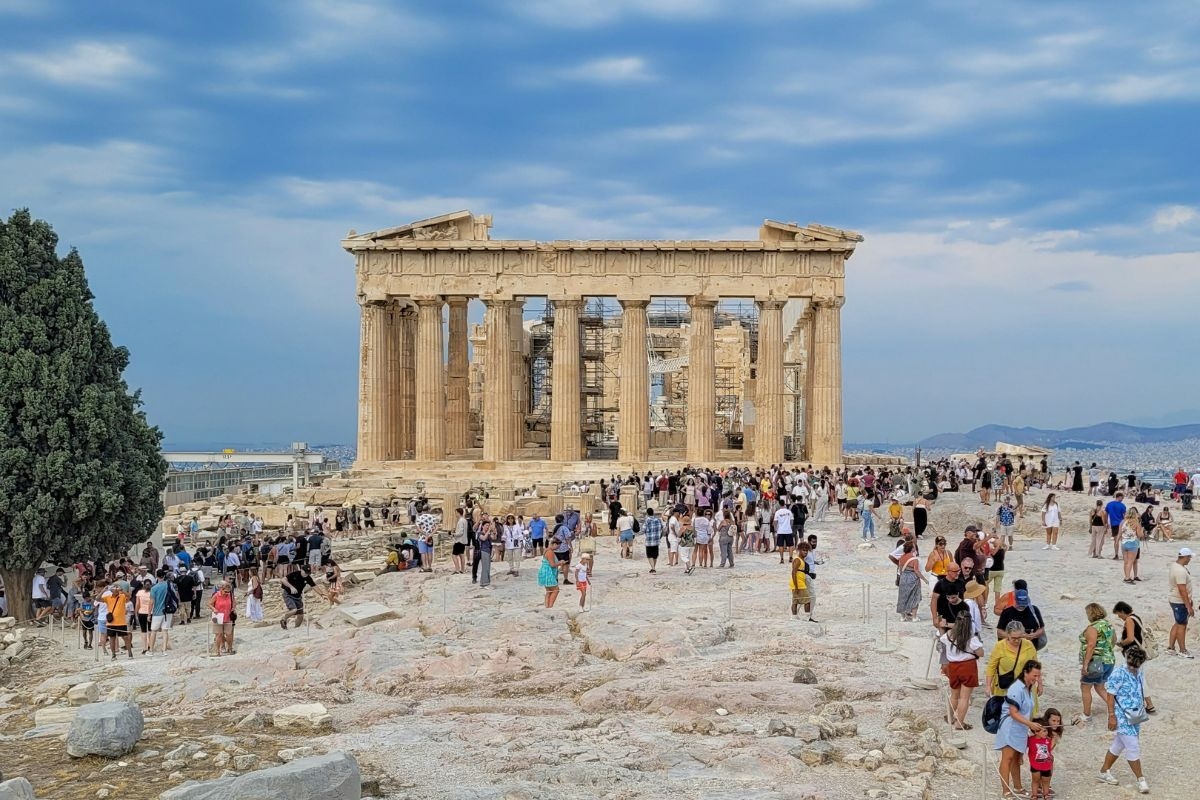
Meanwhile, Jet2 raises the stakes for summer 2026, adding 30,000 extra seats from the UK. The expansion targets key airports – Birmingham, Leeds Bradford, Manchester, and Stansted – and classic Greek destinations such as Chania, Heraklion, Kos, and Santorini.
This move is read as a clear sign that the UK market remains the “lifeblood” of Greek tourism. Behind the scenes, though, there are second thoughts: the increased capacity pressures prices, particularly in mature destinations, reigniting debates over overtourism and infrastructure saturation.
Political Reading: Numbers vs. Quality
In the political arena, the INSETE data serves as a shield against criticism during a period when inflation and cost of living weigh on households. Tourism remains the safest “card” of the economy – but also the most vulnerable to external shocks, from geopolitical tensions to fuel prices.
The real question, as market insiders put it, is not just whether more visitors arrive, but what they leave behind: revenues, jobs, sustainable growth—or simply pressure on workers and local communities?
The Big Bet
February’s 7% air seat increase and Jet2’s aggressive expansion show that Greece has secured strategic “mindshare” among international tour operators. Yet the next challenge is tougher: value per visitor, better distribution of demand across months and destinations, and service upgrades.
Otherwise, record air capacity risks translating not into sustainable growth, but into cheap, exhausting mass tourism – with all its political, social, and economic consequences.