Greek Tourism at a Crossroads: Luxury Investments Boom While Small Hotels Face Growing Pressure
 ΧΡΟΝΟΣ ΑΝΑΓΝΩΣΗΣ 6 '
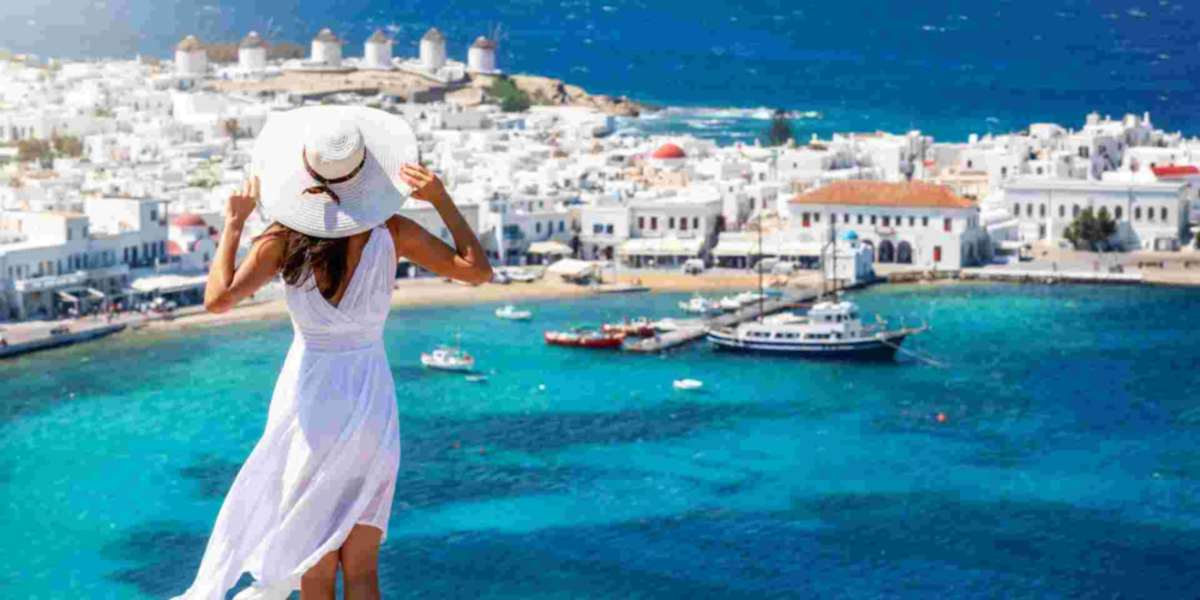
Πηγή Φωτογραφίας: pixabay//Greek Tourism at a Crossroads: Luxury Investments Boom While Small Hotels Face Growing Pressure



Greece’s tourism industry is undergoing one of the most significant structural transformations in its modern history. Investment is reaching record levels, hotel revenues continue to rise, and visitor demand remains robust. Beneath these encouraging figures, however, a fundamental shift is redefining the country’s hospitality landscape: capital is increasingly flowing toward large-scale, high-end hotel developments, while thousands of small and family-owned businesses face mounting competitive pressures.
According to the latest study by the Institute for Tourism Research and Forecasts (ITEP), Greece’s hotel sector has entered a new phase of development where sustainability, digitalization, and premium services have become the principal drivers of growth.
Record Investment Reflects a New Tourism Strategy
Hotel investments reached €1.5 billion in 2025, representing a 42% increase compared with the previous year and marking the highest investment level in the past four years.
Most of these funds were directed toward:
- Energy efficiency upgrades;
- Renewable energy systems;
- Smart energy management technologies;
- Digital booking and management platforms;
- Artificial intelligence applications;
- Automation and smart-room technologies.
The figures confirm that environmental sustainability and digital transformation are no longer optional investments but essential requirements for maintaining competitiveness in an increasingly sophisticated global tourism market.

Luxury Hotels Are Driving the Market
The composition of Greece’s hotel industry has changed dramatically over the past decade.
Between 2015 and 2025:
- Five-star hotels increased from 412 to 869, a remarkable 111% expansion.
- Four-star hotels also recorded steady growth.
- Three-star establishments remained relatively stable.
- Meanwhile, one- and two-star hotels declined by more than 20%.
Although five-star hotels represent only 8.6% of all hotel properties, they now account for nearly one-quarter of Greece’s total hotel room capacity, highlighting their much larger scale and investment capacity.
This evolution reflects a deliberate move toward attracting higher-spending international visitors while positioning Greece as a premium Mediterranean destination.

Growing Pressure on Small and Medium-Sized Hotels
While the industry’s overall performance remains strong, smaller hotel operators face increasing challenges.
Higher compliance costs related to:
- Environmental regulations,
- Energy certification,
- Digital infrastructure,
- Property modernization,
have significantly increased the financial burden for family-owned businesses.
Unlike large hotel groups with easier access to financing and institutional investors, many independent hotels struggle to fund the investments required to remain competitive.
As a result, market concentration continues to increase, raising concerns that Greece’s tourism sector may gradually evolve into a two-speed industry dominated by larger corporate players.
Revenue Continues to Break Records
Despite these structural challenges, financial performance remains exceptionally strong.
Hotel revenues reached €12.5 billion in 2025, representing an 8.7% increase compared with 2024.
Total overnight stays climbed to approximately 163.7 million, while average daily room rates continued their upward trend.
In August, the average daily rate reached €194, recording an annual increase of 17.5%, while prices also rose substantially during the shoulder seasons.
Early data for 2026 indicate that occupancy rates and room prices remain above last year’s levels, suggesting that demand continues to outpace supply in many destinations.
Labor Shortages Remain the Industry’s Weakest Link
One of the sector’s most persistent structural problems continues to be the shortage of qualified workers.
ITEP estimates that Greek hotels require approximately 263,000 employees, yet currently employ only 226,881, leaving more than 36,000 positions unfilled—a labor shortage of nearly 14%.
The problem is particularly severe among smaller hotels, which often struggle to compete for workers due to lower wages, seasonal employment patterns, and rising living costs in popular tourist destinations.
To address staffing shortages, many businesses have increasingly recruited workers from other EU countries as well as third-country nationals.
Green and Digital Transformation Become National Policy
The investment boom reflects more than private-sector strategy—it also aligns closely with Greece’s broader tourism policy.
Government initiatives increasingly prioritize:
- Sustainable tourism development;
- Energy-efficient infrastructure;
- Digital modernization;
- Extension of the tourism season;
- Higher value-added tourism products;
- Specialized tourism segments such as wellness, cultural, and experiential tourism.
These priorities are fully aligned with the European Union’s Green Deal and Digital Transition agenda, making tourism one of the country’s key sectors for sustainable economic growth.
The Strategic Dilemma
The rapid modernization of Greece’s hotel industry undoubtedly strengthens its international competitiveness.
Yet it also raises an important policy question:
How can Greece continue upgrading its tourism product without marginalizing the thousands of small and medium-sized businesses that have long formed the backbone of local economies across the islands and mainland?
Finding the right balance between quality, competitiveness, and inclusiveness will likely become one of the defining challenges for Greek tourism policy over the coming decade.
Looking Ahead
Greek tourism is entering a new era where success will no longer be measured solely by visitor arrivals or revenue growth.
Instead, the industry’s future will depend on whether modernization can proceed without creating a deeply divided market—one led by internationally financed luxury resorts while smaller independent hotels struggle to survive.
Record investment, digital innovation, and sustainability are transforming Greece into an increasingly sophisticated tourism destination. The challenge now is ensuring that this transformation benefits the entire sector rather than only its largest and most financially powerful players.
Διαβάστε όλες τις τελευταίες Ειδήσεις από την Ελλάδα και τον Κόσμο