


Cyprus Between Energy and Geopolitics: From Institutional Weakness to Strategic Autonomy

Πηγή Φωτογραφίας: freepik//Cyprus Between Energy and Geopolitics: From Institutional Weakness to Strategic Autonomy



Cyprus, positioned on the energy and geopolitical chessboard of the Eastern Mediterranean, faces a historic choice: transform its offshore energy wealth into real geopolitical influence and regional autonomy, or remain trapped in institutional weakness and dependency on external actors.
Unlike energy-advanced neighbors — such as Egypt, with established LNG infrastructure, and Israel, with full export capacity — Cyprus has yet to fully exploit its hydrocarbon reserves, losing both geopolitical leverage and economic gains.
The Paradox of Energy Wealth
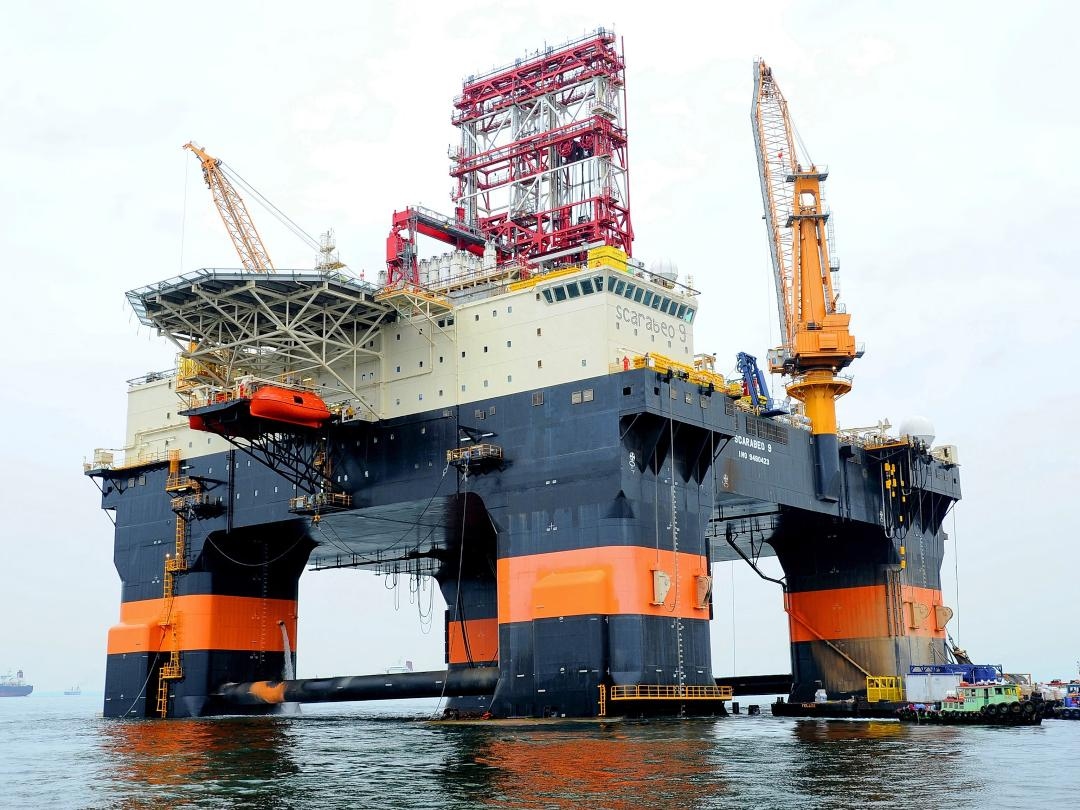
Despite significant offshore gas resources in the Cypriot Exclusive Economic Zone (EEZ), major critical infrastructure projects have stalled, such as the Vasilikos LNG terminal. Institutional weaknesses have prevented Cyprus from converting its resources into operational power, leaving the country exposed to high energy costs.
The delay carries geopolitical costs: Cyprus risks being a mere raw material supplier while neighboring states, like Egypt, retain strategic value through LNG exports and control of regional markets.
Achieving national strategic autonomy requires domestic LNG and transport infrastructure, particularly in Vasilikos, enabling Cyprus to meet part of EU energy demand while entering European energy corridors via Greece and Bulgaria. Such interconnections enhance Cyprus’s geopolitical weight and reduce dependency on external powers.
The EU’s shift away from Russian energy creates a strategic window for Cyprus to position itself as a complementary pillar of European energy security.

Geopolitical Challenges and Regional Threats
Cyprus’s strategic location also makes it a geopolitical target in the Eastern Mediterranean. Turkish naval power projection and repeated incursions into the Cypriot EEZ test the application of international law and national sovereignty.
The absence of a formal maritime boundary agreement with Greece leaves geopolitical gaps exploited by Ankara through unilateral actions.
Role of the Great Sea Interconnector and Greek Axis
The Cyprus-Greece electricity interconnector (Great Sea Interconnector), alongside renewable energy expansion, is among the most critical projects to break Cyprus’s energy isolation and integrate it as a regional energy hub.
This transforms Cyprus from a mere energy producer into a geopolitical actor connecting energy markets, states, and strategic routes, increasing bargaining power with partners and reducing unilateral advantages of revisionist powers.
Energy as a Geopolitical Lever
Cyprus faces not just an energy issue, but a 21st-century strategic decision. Transitioning from institutional weakness to strategic autonomy requires decisive action:
- Completion of critical energy infrastructure (LNG, Vasilikos)
- Full integration with Greece and EU interconnections
- Legal and military protection of energy resources and sovereignty
- Active participation in regional cooperation and diplomacy
Cyprus’s energy strategy can become a geopolitical lever, enabling greater European engagement, regional stability, and national autonomy — but it demands vision, technical expertise, and political will.
Source: pagenews.gr
Διαβάστε όλες τις τελευταίες Ειδήσεις από την Ελλάδα και τον Κόσμο








Το σχόλιο σας