A Political Message of Stagnation, Not Accession
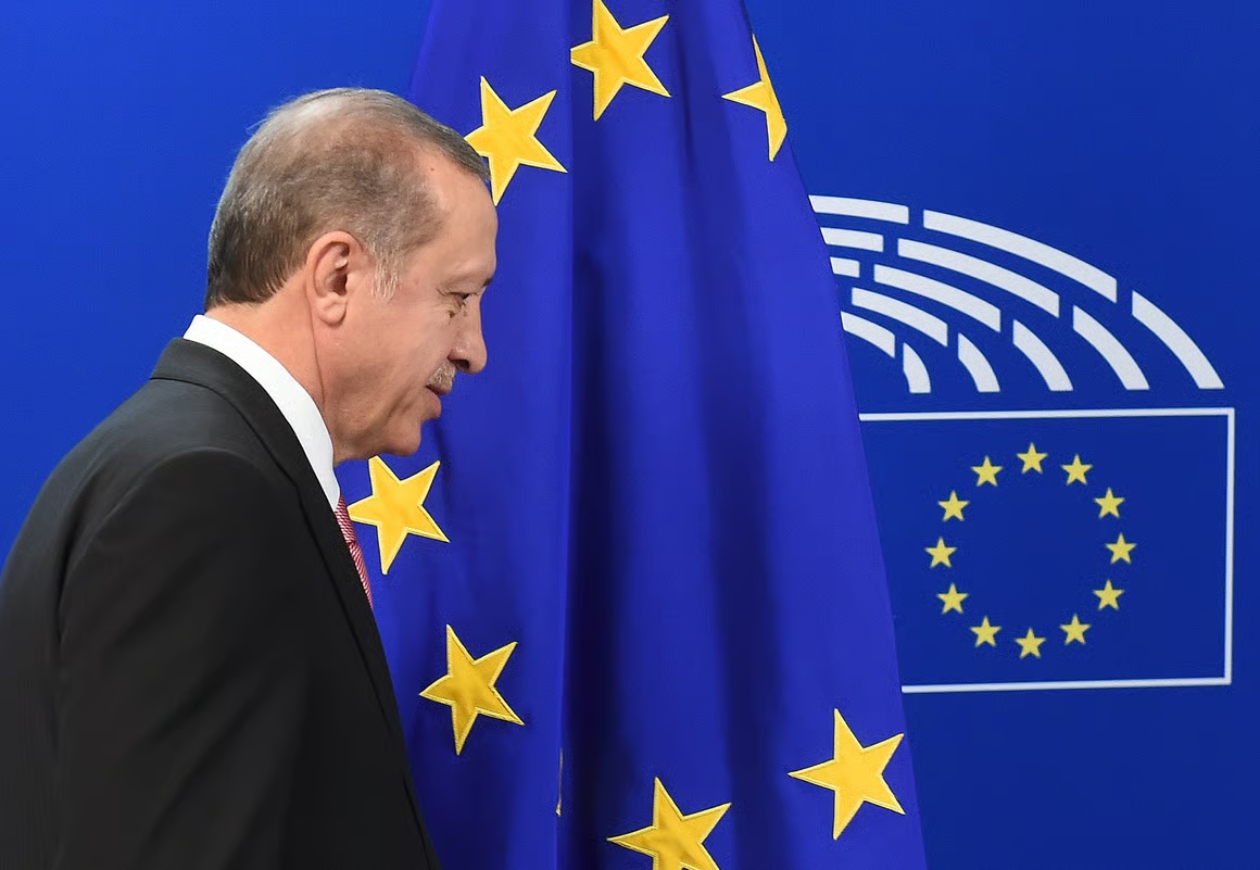
The European Parliament’s Foreign Affairs Committee has approved a draft report stating that Turkey’s path toward EU membership remains effectively stalled, citing no meaningful progress on democratic reforms, rule of law, media freedom, and judicial independence.
While the accession process has been frozen since 2018, lawmakers emphasize that Turkey remains a strategically important NATO partner, particularly in relation to the Black Sea, Ukraine, the South Caucasus, and the Middle East.
Democracy and Rule of Law: “No Progress”
The report is sharply critical of Ankara’s domestic governance, highlighting:
- Continued concerns over judicial independence
- Restrictions on freedom of expression and press
- Ongoing politically sensitive prosecutions
- Weak safeguards for fundamental rights and local governance autonomy
MEPs also urge EU institutions and member states to take a more assertive stance in defending democratic standards in Turkey.
Geopolitical Importance vs Political Freeze
Despite the political deadlock, the report acknowledges Turkey’s growing geopolitical weight:
- Key actor in Black Sea security architecture
- Influence in Ukraine conflict dynamics
- Strategic role in the South Caucasus and Middle East
- NATO ally with significant military and logistical capabilities
Lawmakers call for continued engagement in areas of mutual interest, even if full EU accession remains unrealistic under current conditions.

Turkey Cooperation: Conditional Expansion
The document supports selective deepening of relations, including:
- Modernisation of the EU–Turkey Customs Union
- Expansion of high-level political dialogues
- Progress on visa liberalisation benchmarks
- Increased financial support for civil society and refugee assistance
However, all advances are explicitly tied to Turkey meeting Copenhagen criteria benchmarks.
Eastern Mediterranean Tensions and International Law
The report takes a firm stance on regional disputes, calling on Turkey to:
- Fully respect international law and the UN Convention on the Law of the Sea (UNCLOS)
- Withdraw from or abandon the Turkey–Libya maritime memorandum
- End practices seen as violating Greek and Cypriot sovereignty
- Refrain from the “Blue Homeland” doctrine, which MEPs describe as destabilising
It also expresses support for Greek–Turkish dialogue efforts, including high-level meetings aimed at de-escalation.
Cyprus: Reunification Framework Reaffirmed
On Cyprus, the EU Parliament reiterates its long-standing position:
- Support for a bi-zonal, bi-communal federation under UN auspices
- Demand for withdrawal of Turkish troops
- Condemnation of developments in Varosha
- Concerns over property disputes involving Greek Cypriots
Cultural Heritage and Human Rights Concerns
The report raises additional issues regarding:
- Protection of religious and cultural heritage sites such as Hagia Sophia and Sumela Monastery
- Rights of minority communities, including Greek Orthodox populations in Imbros and Tenedos
- Respect for rulings of the European Court of Human Rights
- Safeguarding the role and legal status of the Ecumenical Patriarchate

A Divided but Strategic Relationship
Despite strong criticism, the report avoids calling for a full rupture, instead framing Turkey as:A “geopolitical partner whose cooperation remains essential, but whose EU path is currently blocked by democratic regression.”
The report was adopted in committee by 44 votes in favor, 10 against, and 17 abstentions, and will proceed to a plenary vote in the European Parliament.
The EU is effectively signaling a long-term freeze on Turkey’s accession prospects, while simultaneously pushing for selective cooperation based on security and migration priorities rather than political convergence.
Source: pagenews.gr