Mitsotakis unveils 8-point relief package: subsidies, payouts & debt relief measures
 ΧΡΟΝΟΣ ΑΝΑΓΝΩΣΗΣ 3 '

Πηγή Φωτογραφίας: eurokinissi//Mitsotakis unveils 8-point relief package: subsidies, payouts & debt relief measures



In a political and economic environment marked by improved fiscal results but persistent household strain, the Greek government has announced a new package of relief measures.
The Prime Minister emphasized that the economy is performing better than expected, while acknowledging that the pressure on citizens remains significant.
He stated:
“The national economy is resilient and performing better than anticipated.”
At the same time, he stressed that the fiscal surplus should be returned to society in a structured way:
“This is a dividend of progress that the state is returning to society.”
The 8 Key Measures
The package includes interventions across energy, agriculture, family support, pensions, housing and debt relief:
- Extension of diesel subsidy (20 cents) until May
- Continuation of fertilizer subsidy (15%) until August
- One-off child benefit of €150 per child (end of June)
- Increase of annual support to €300 for low-income pensioners, uninsured elderly and disabled citizens
- Expansion of rent rebate eligibility covering more households
- Debt relief via removal of account seizures after 25% repayment and settlement of obligations
- Inclusion of €5,000–€10,000 debts in out-of-court settlement mechanism
- New 72-installment repayment scheme for debts overdue up to December 2023
Political Messaging
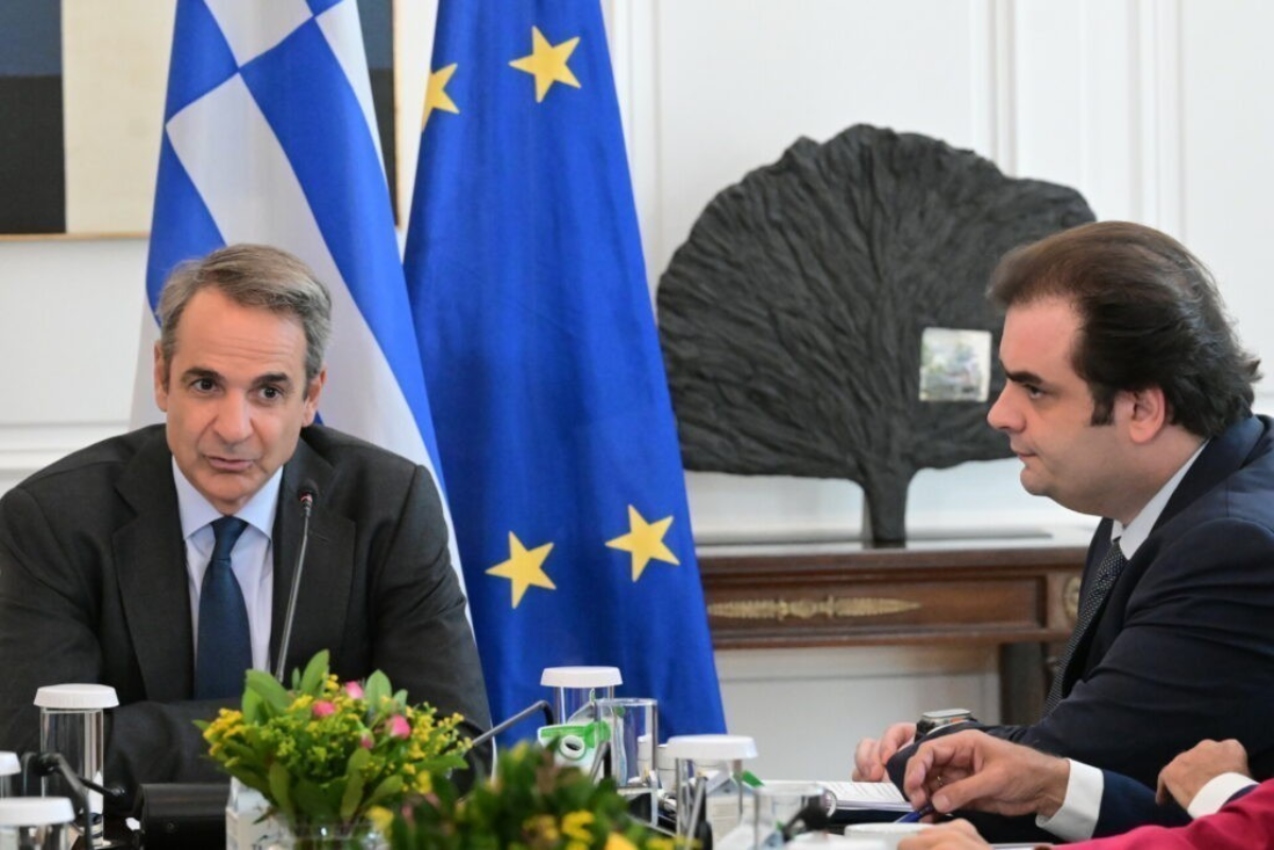
The Prime Minister framed the measures as both socially targeted and fiscally responsible:
“No state, no matter how strong, can address the consequences of a global economic crisis alone.”
He also acknowledged criticism regarding the scale of support:
“I know many will argue the measures are insufficient.”
This package reflects a broader European trend of governments redistributing fiscal surpluses after inflationary shocks and energy crises.

Key analytical points:
- Such packages typically offer short-term household relief rather than structural income growth
- The biggest pressure points in Europe remain food inflation, housing costs, and energy prices
- Debt restructuring measures tend to ease liquidity pressure but do not reduce total household indebtedness
Politically, these interventions often serve a dual purpose: economic stabilization and reinforcement of social cohesion ahead of future fiscal cycles or electoral milestones.
Source: pagenews.gr
Διαβάστε όλες τις τελευταίες Ειδήσεις από την Ελλάδα και τον Κόσμο